The River Remembers
Rivers have long shaped how I understand the world and my place within it. As a Hmong woman, I carry a cultural history rooted in mountains, agriculture, migration, and a deep relationship with land and water. Living in the Twin Cities, where the Mississippi River flows through the heart of the community, has only strengthened that connection.
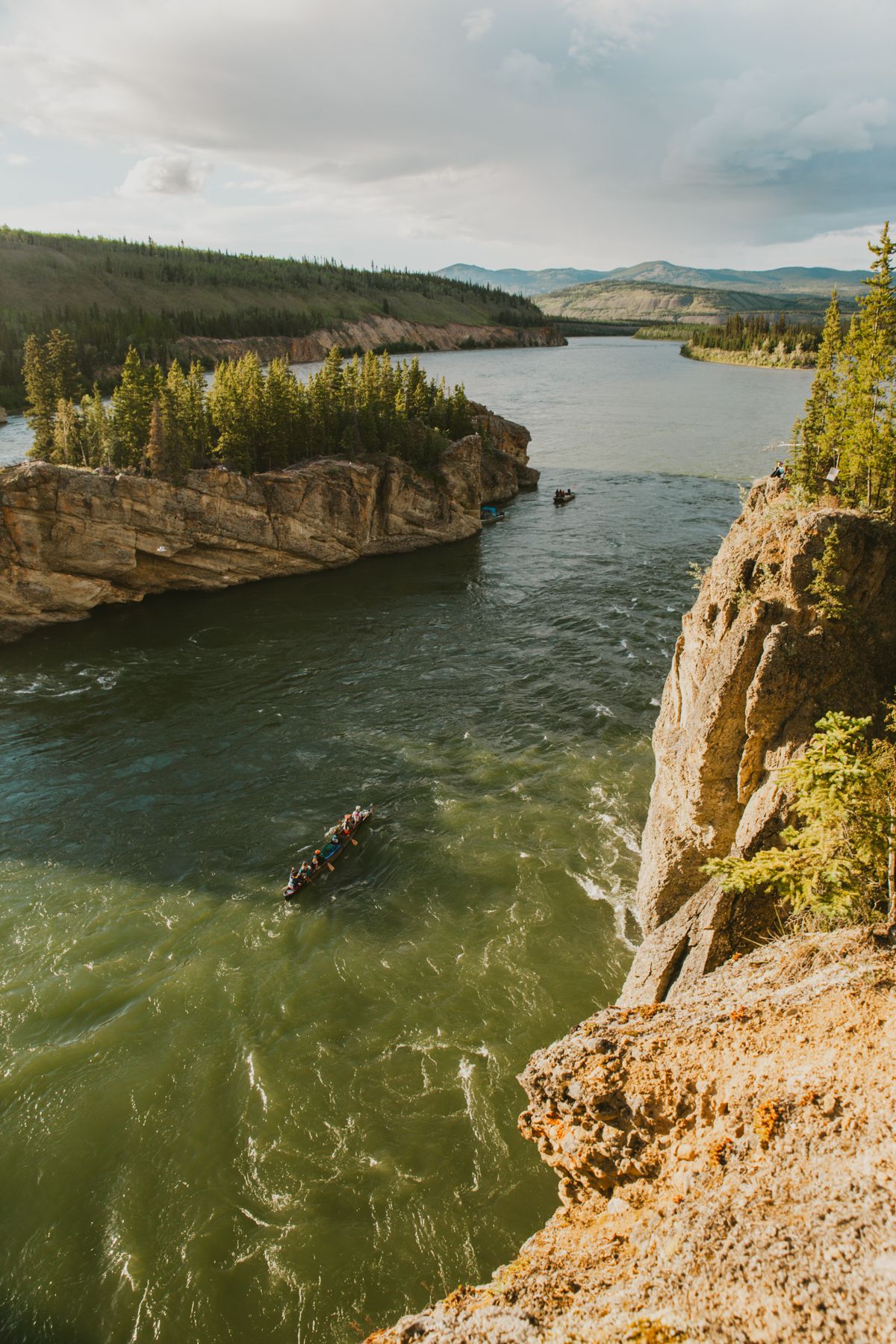
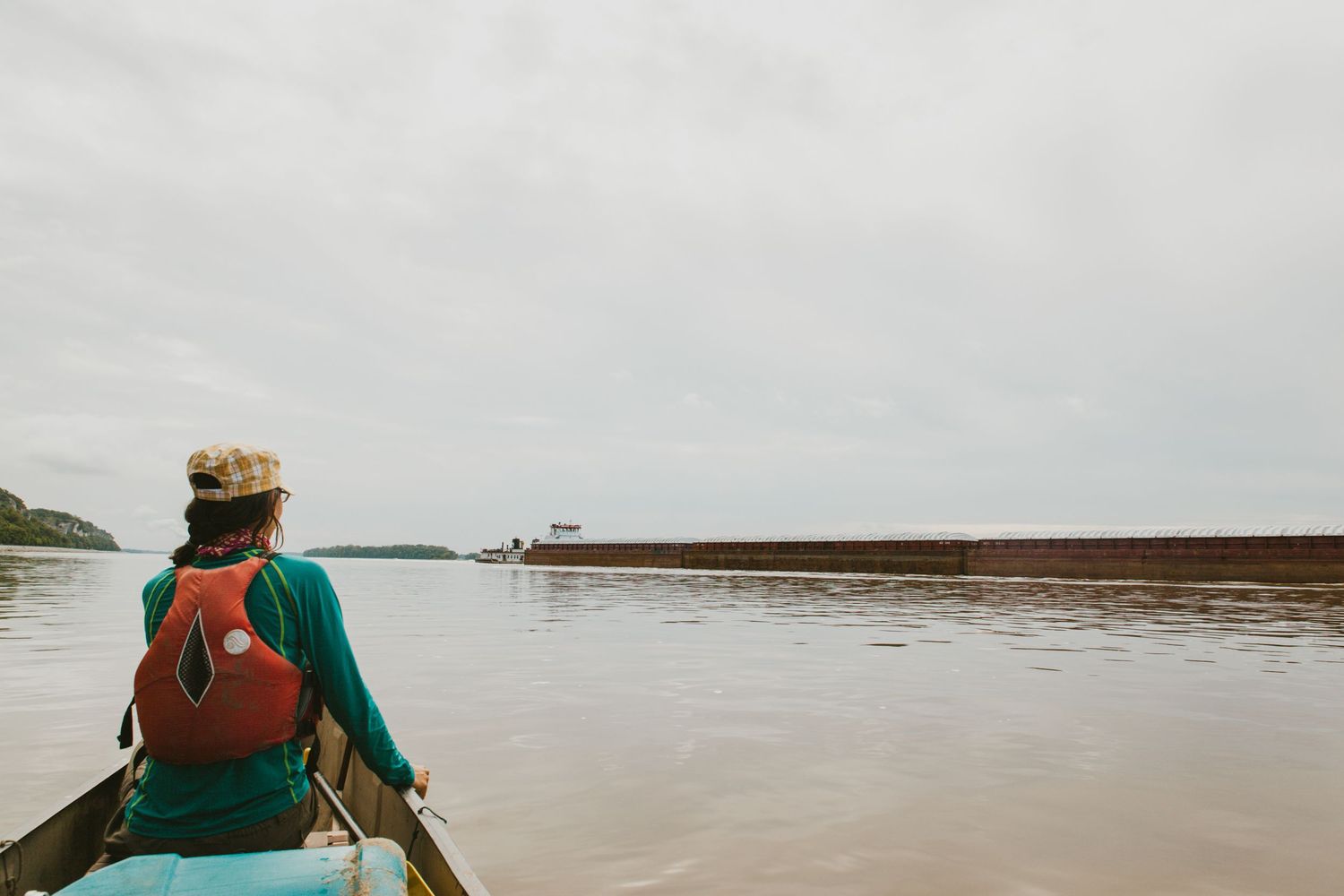
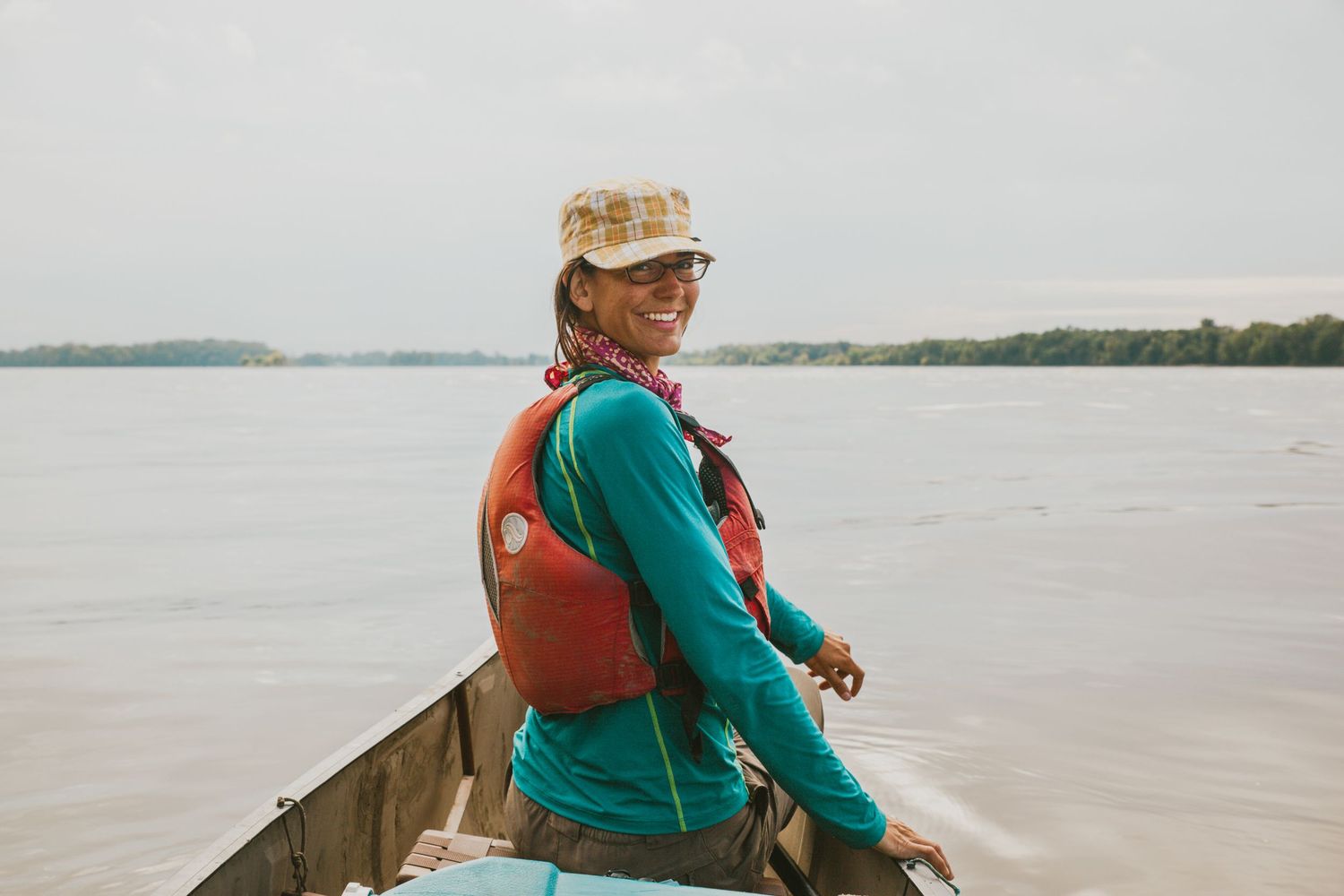
In 2013, I paddled the entire Mississippi River from its headwaters in Minnesota to the Gulf of Mexico. The journey revealed the profound ways human decisions shape the natural world and exposed the deep connections between environmental degradation, race, class, and power. The following year, I paddled the Illinois River, where waterways engineered for commerce and industry reinforced many of those same truths. In contrast, the 2016 Yukon River Quest carried me through 444 miles of wilderness, day and night, reminding me that rivers are more than landscapes to move through. They are living histories that hold memory, loss, resilience, and belonging.
Whether through paddling, photography, or storytelling, I continue to be drawn to rivers because they connect people across generations, cultures, and geographies. They remind us that we are part of something larger than ourselves and that every river carries a story worth listening to.
Mississippi River
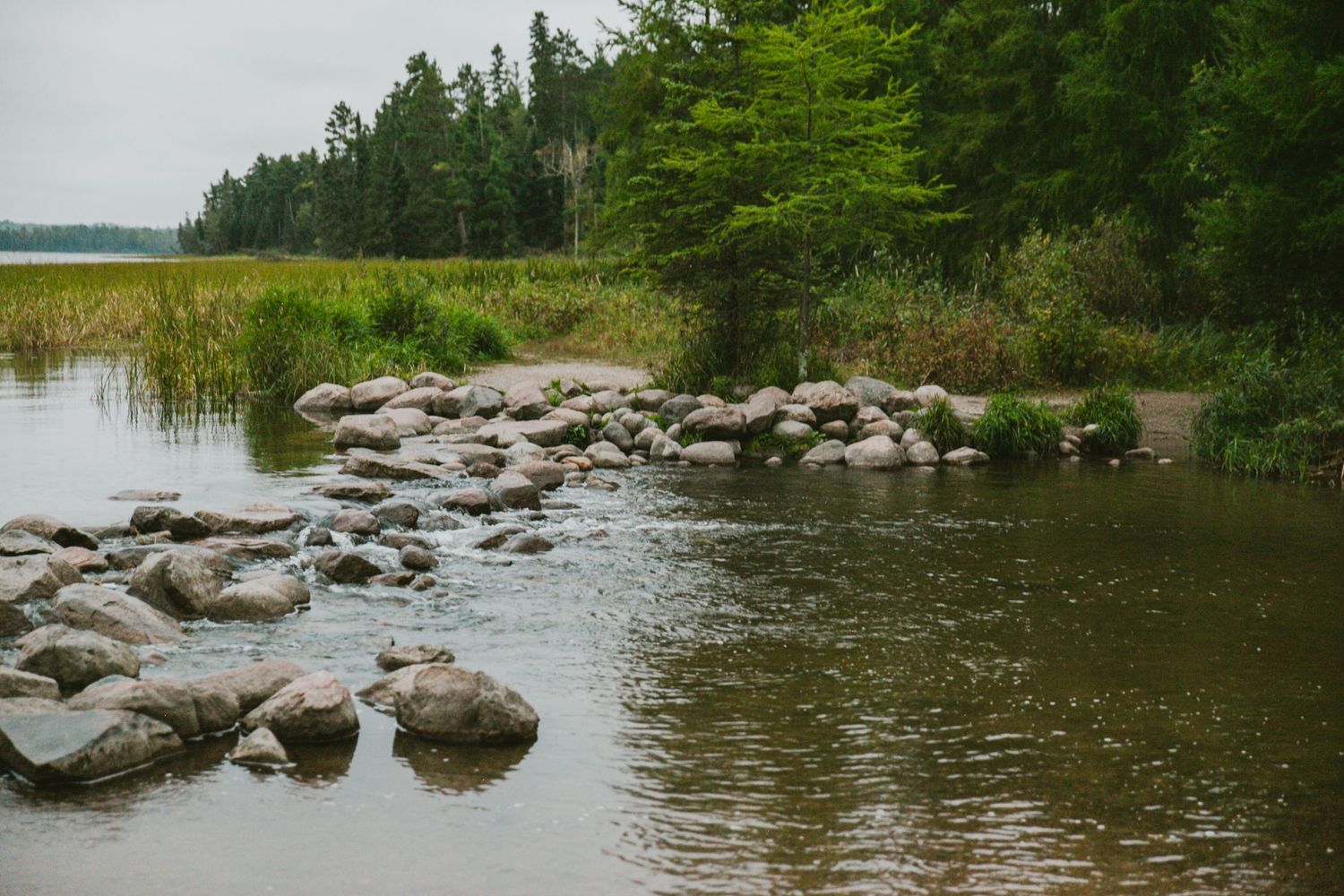
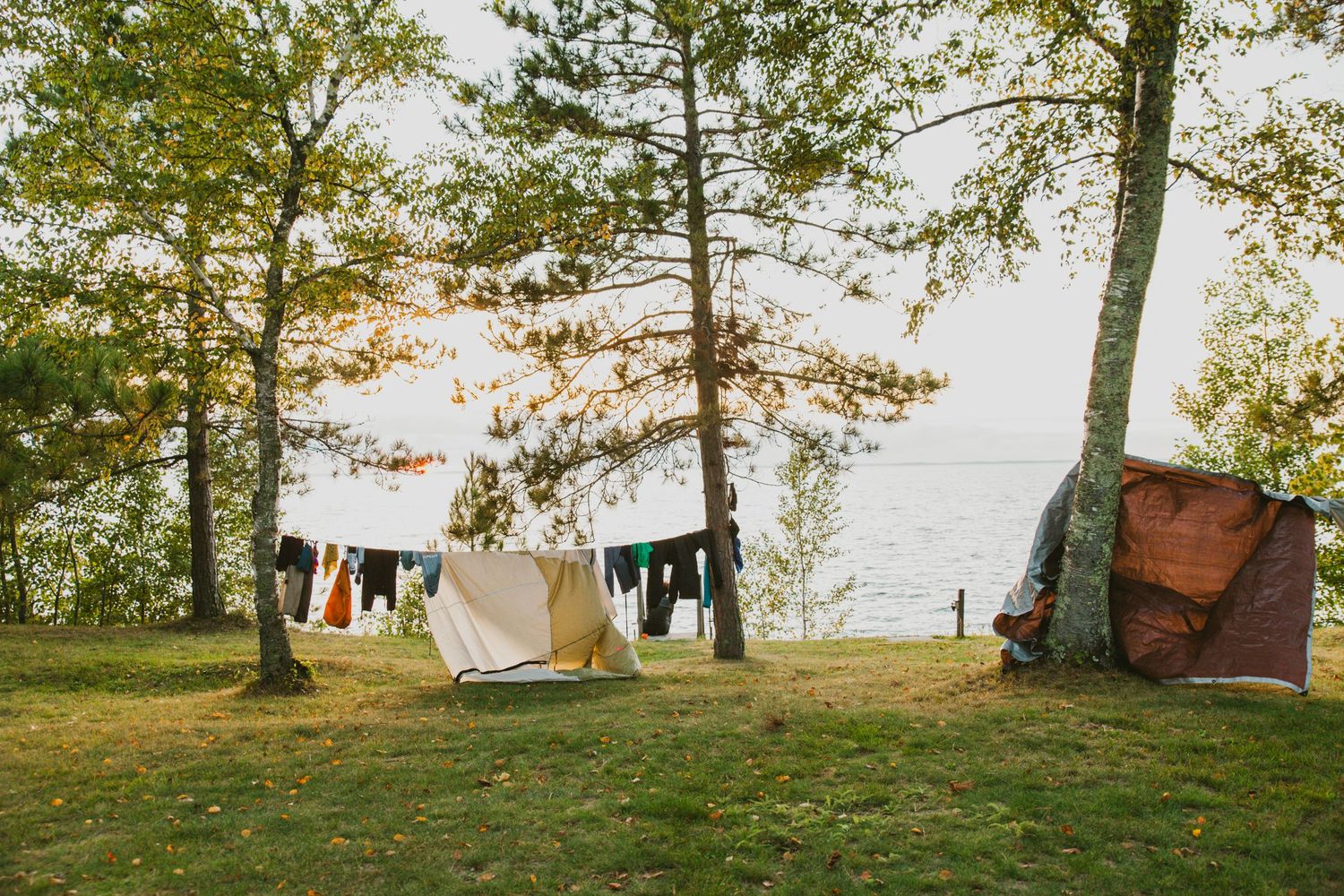
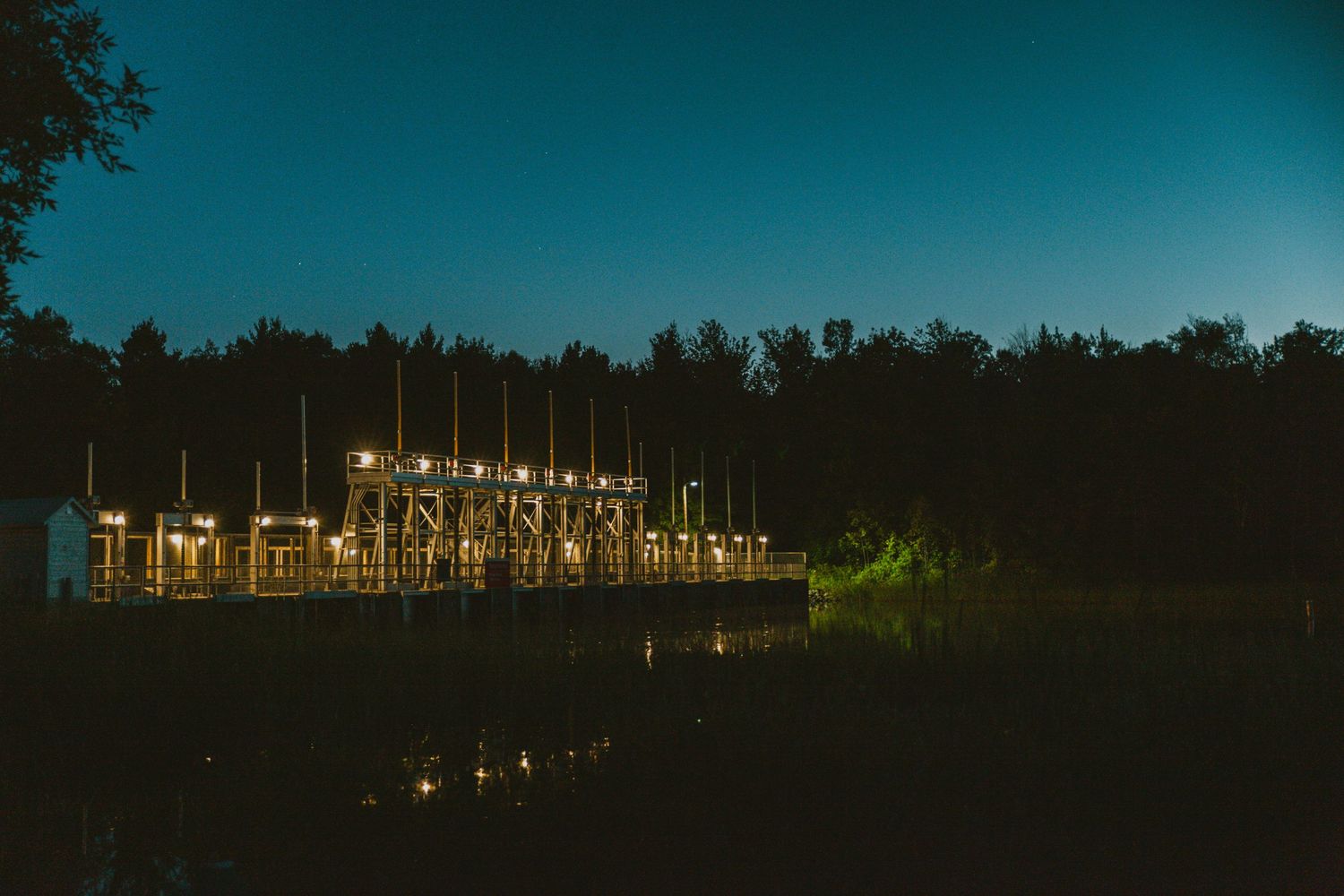
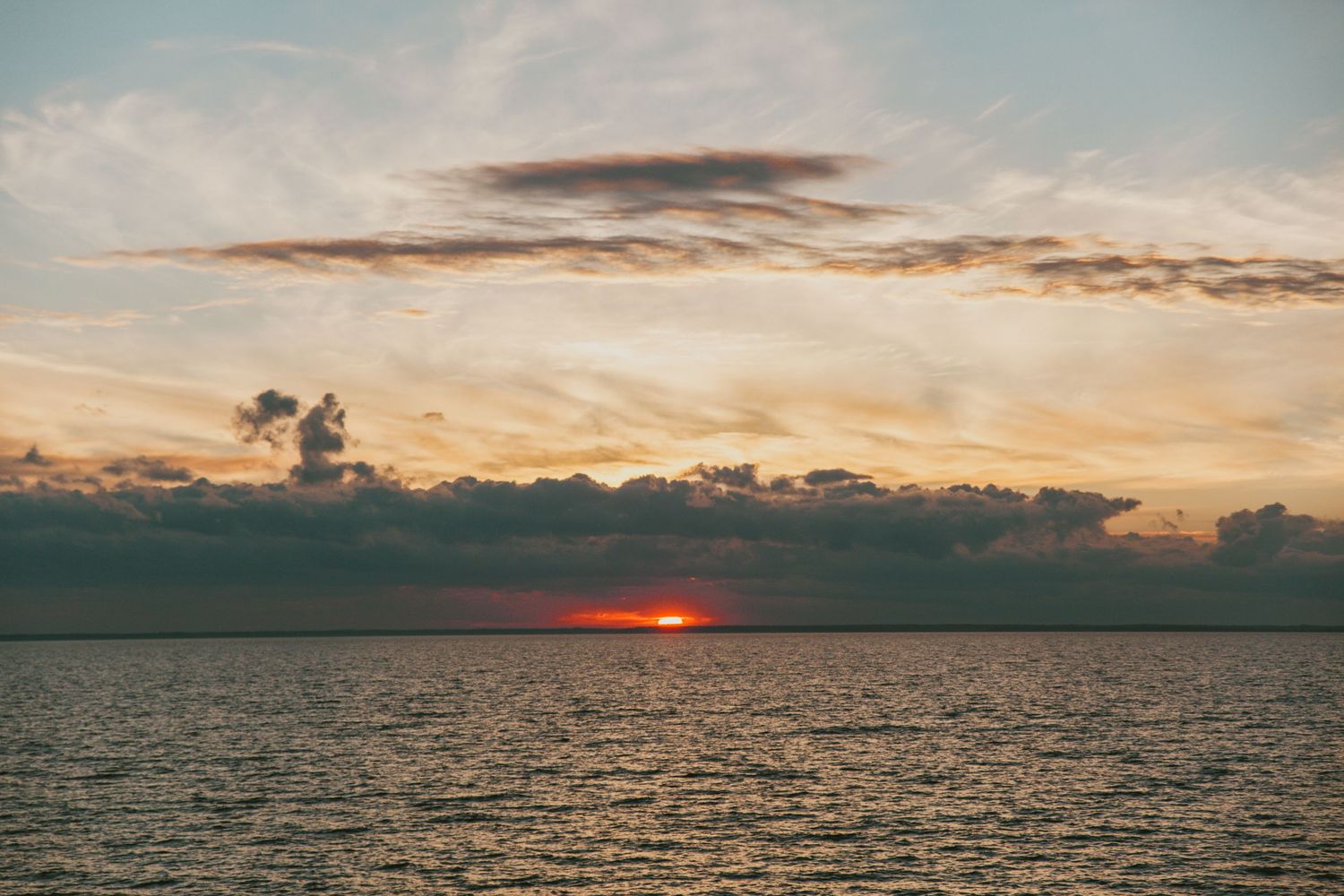
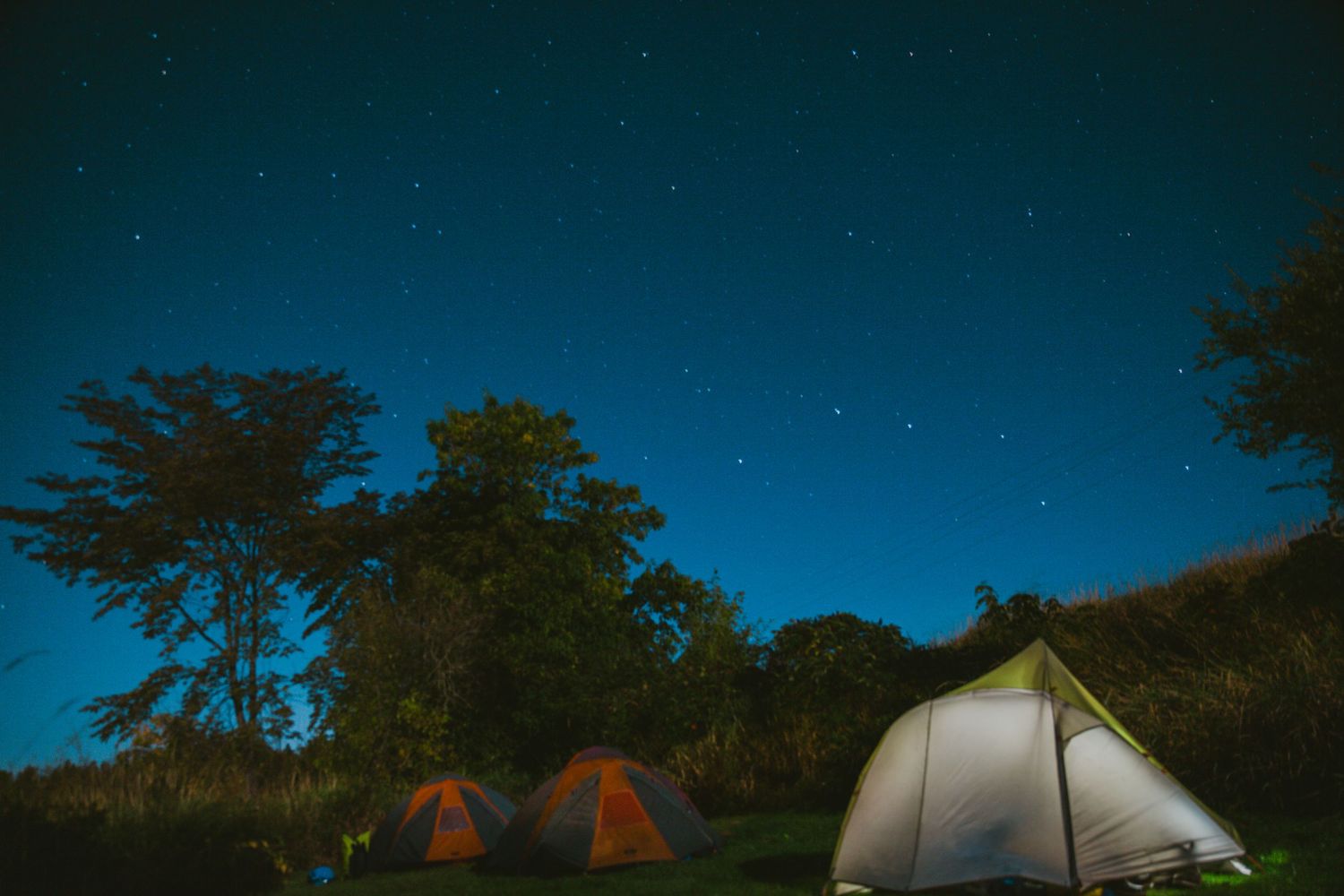
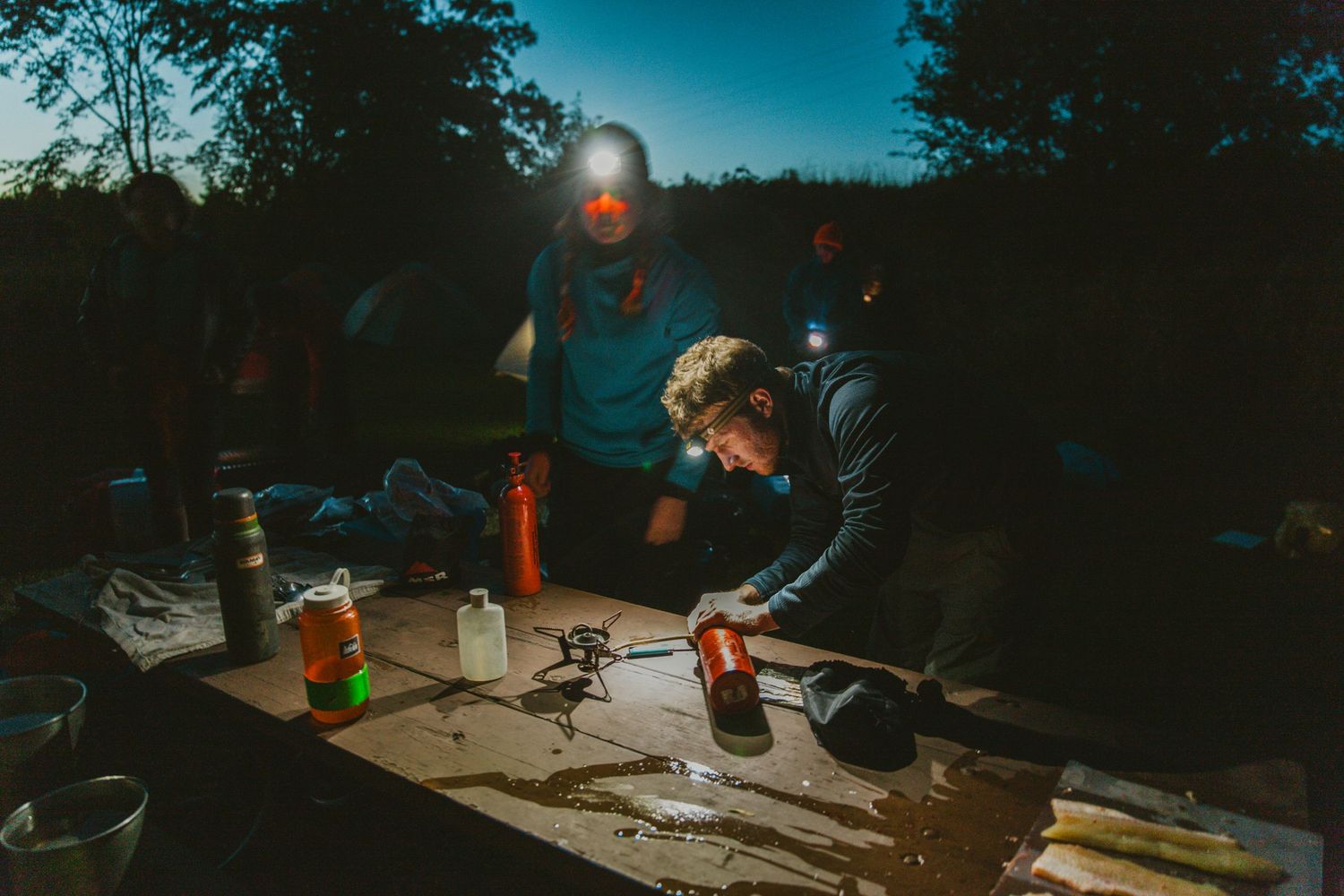
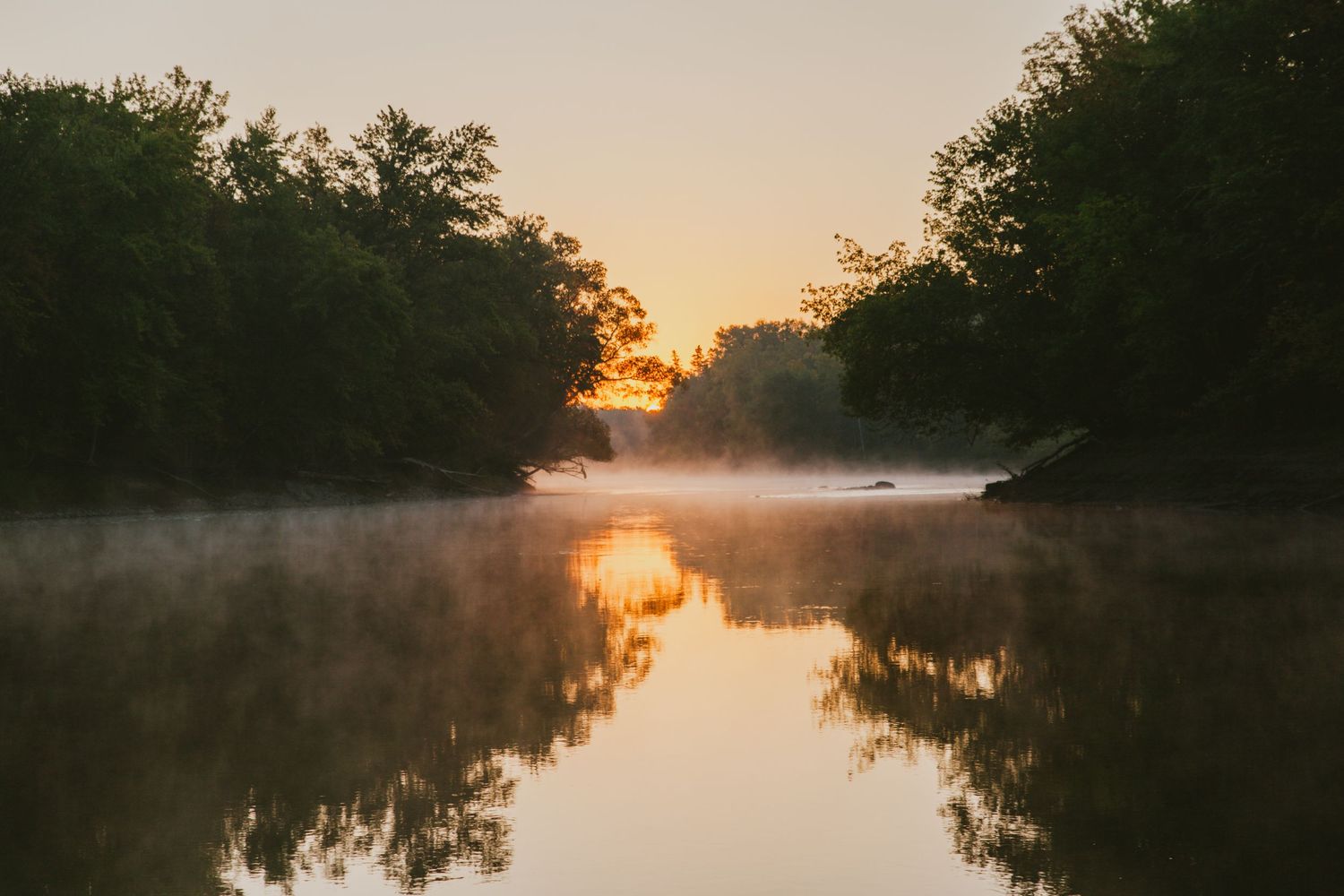
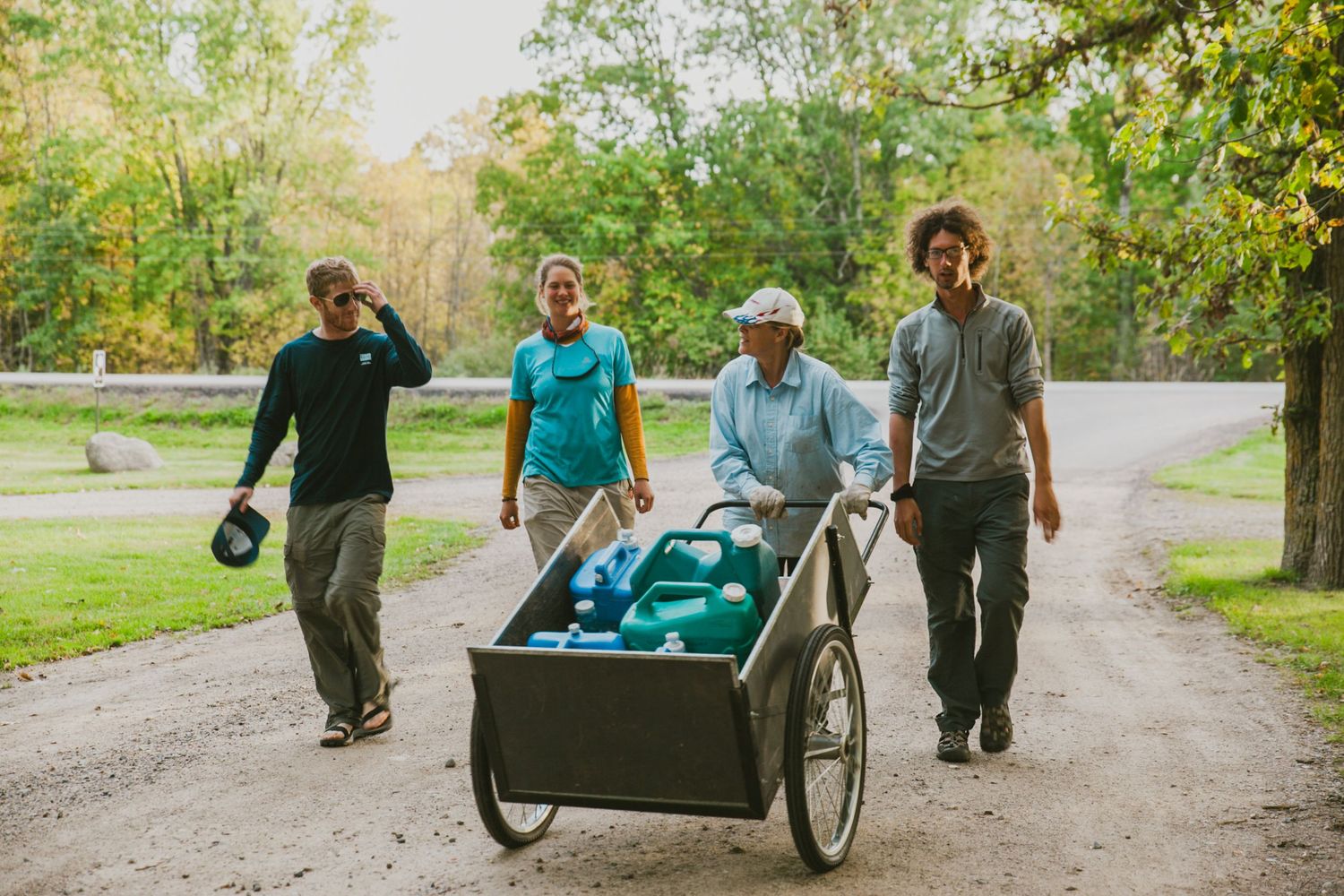
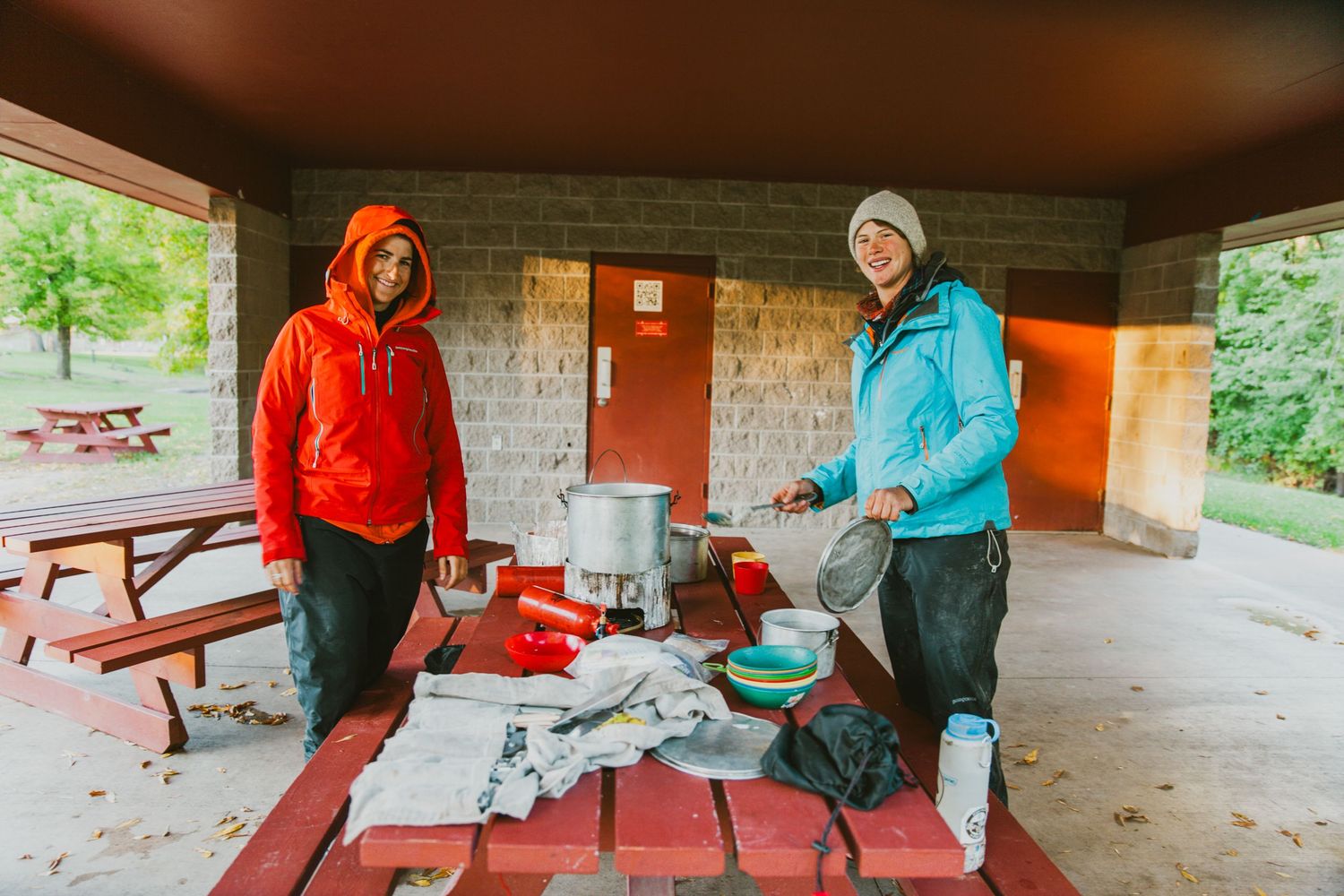
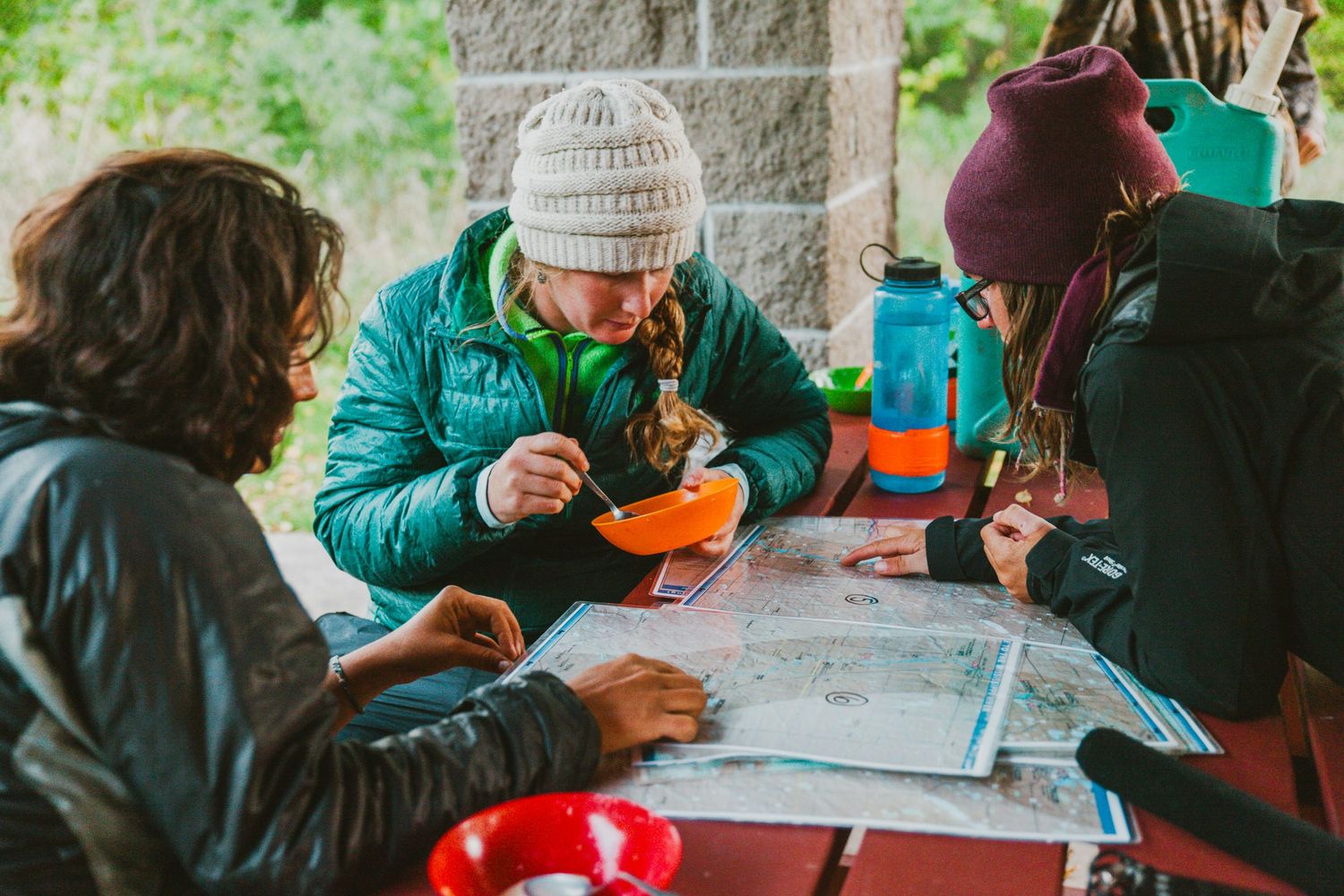
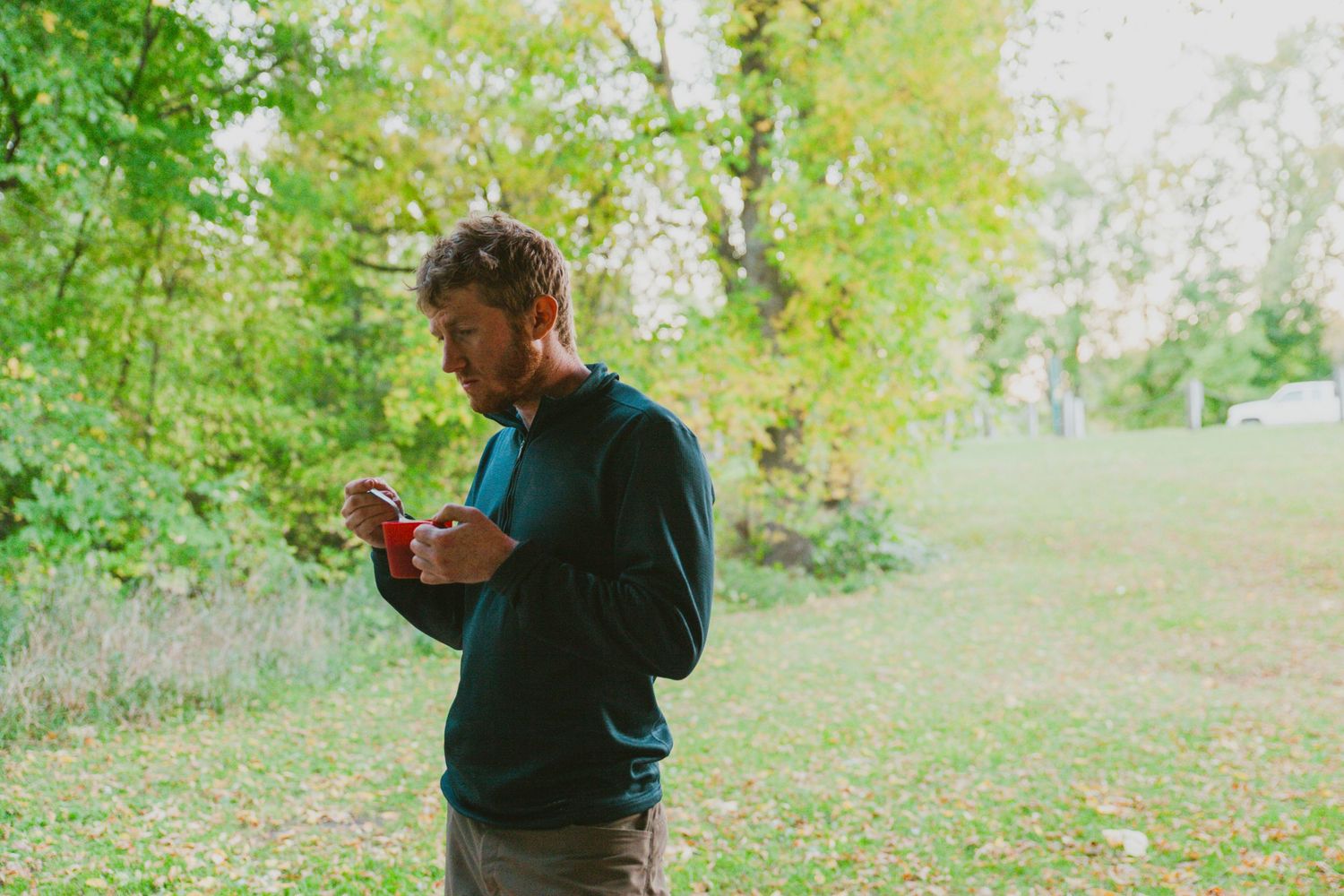
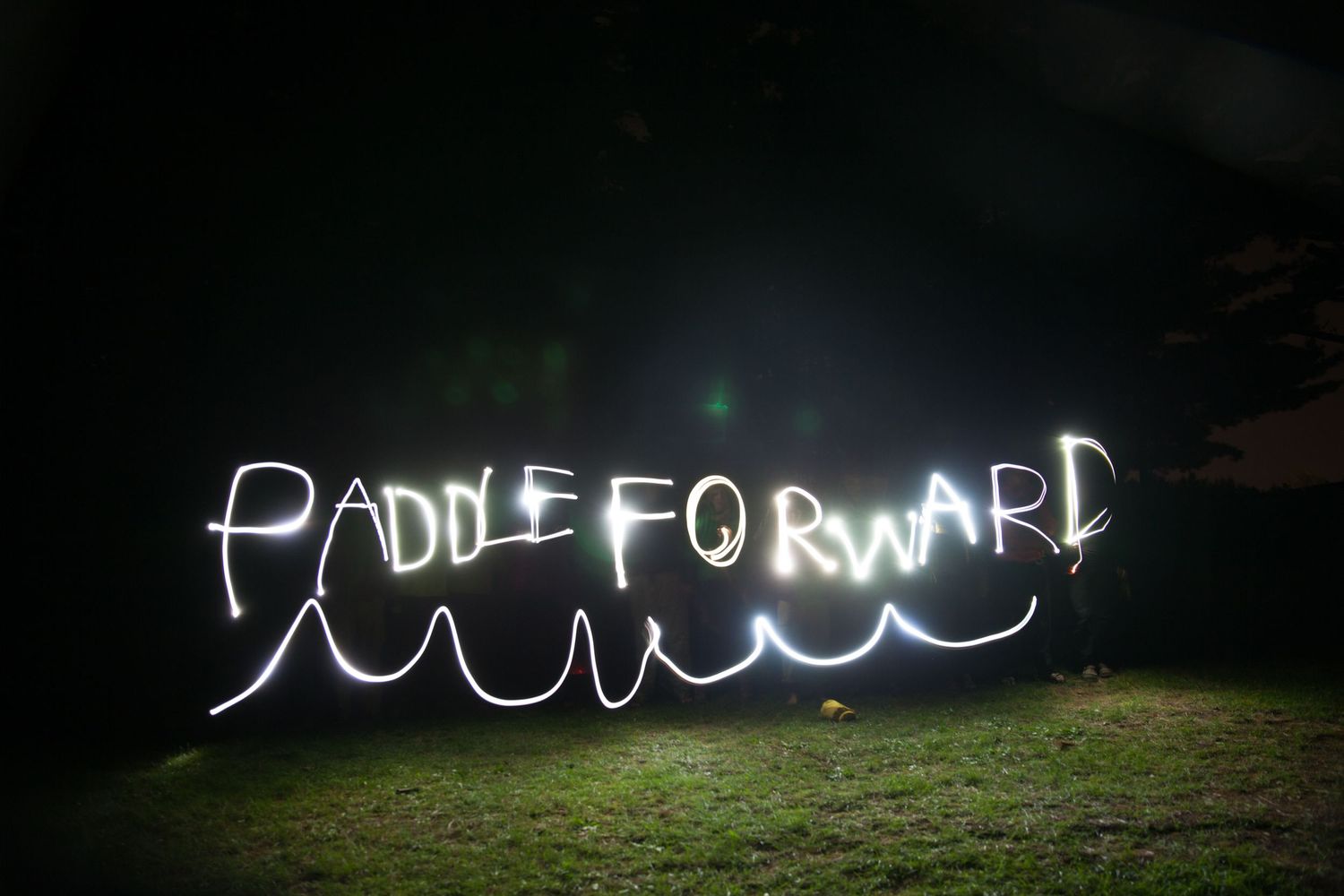
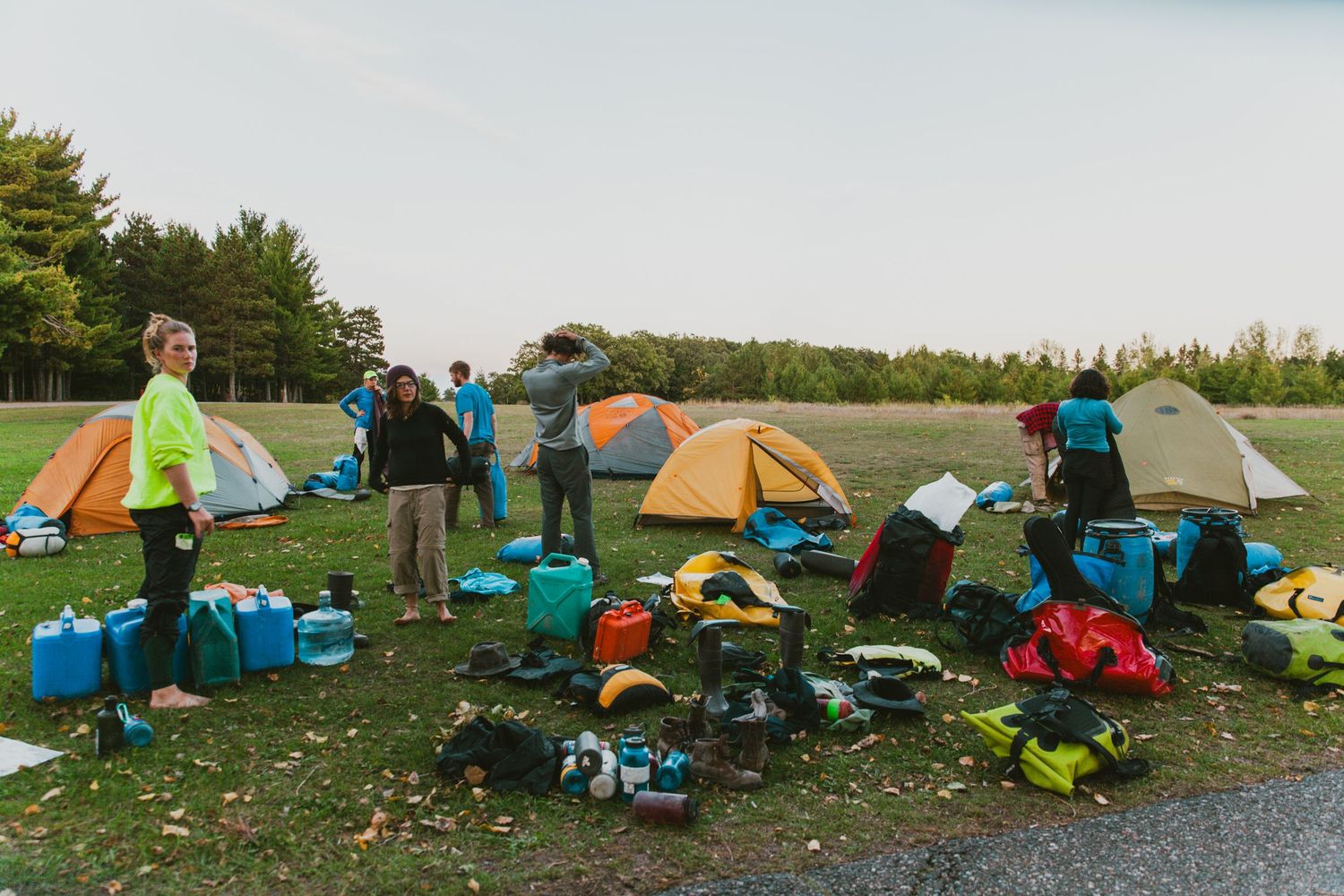
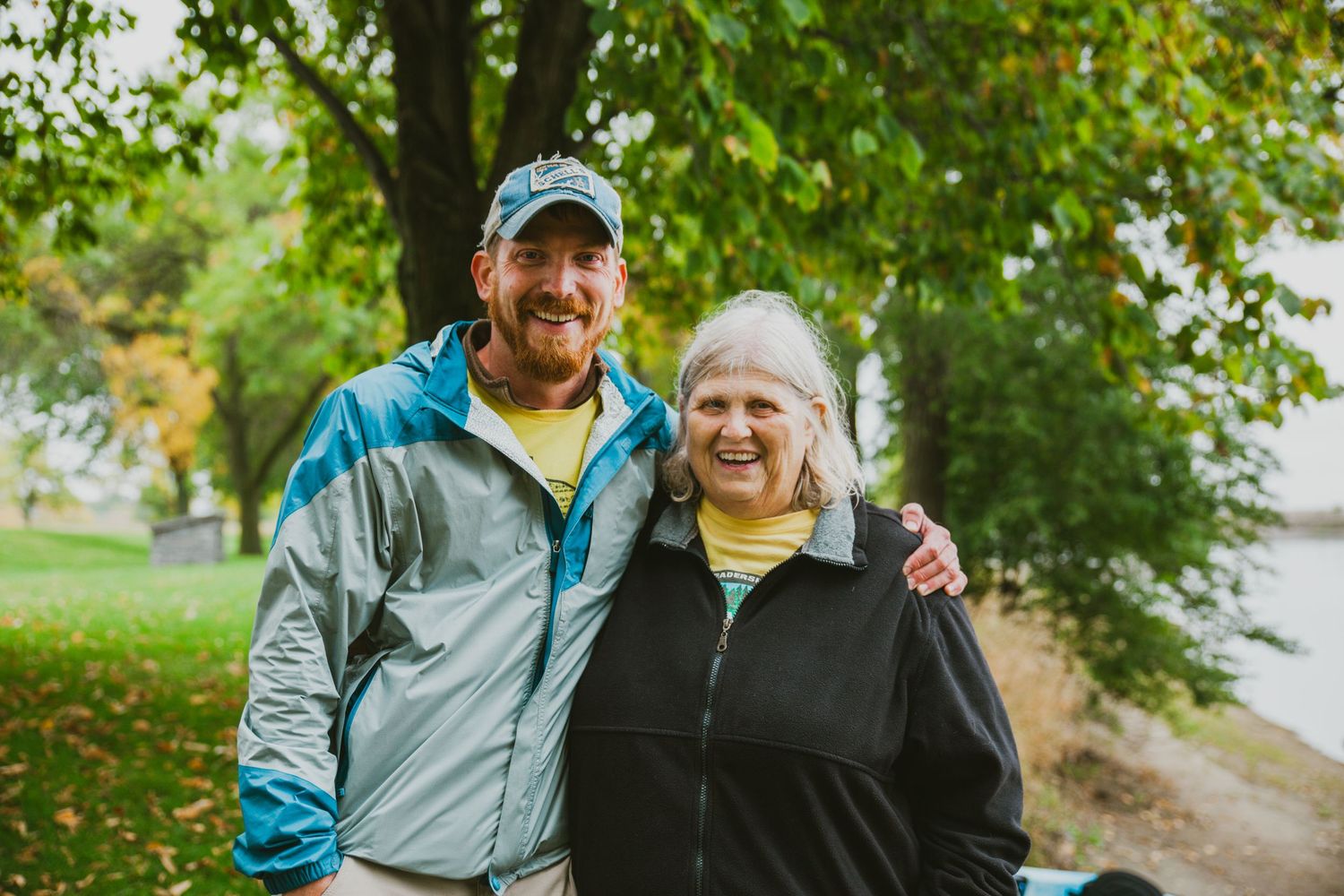
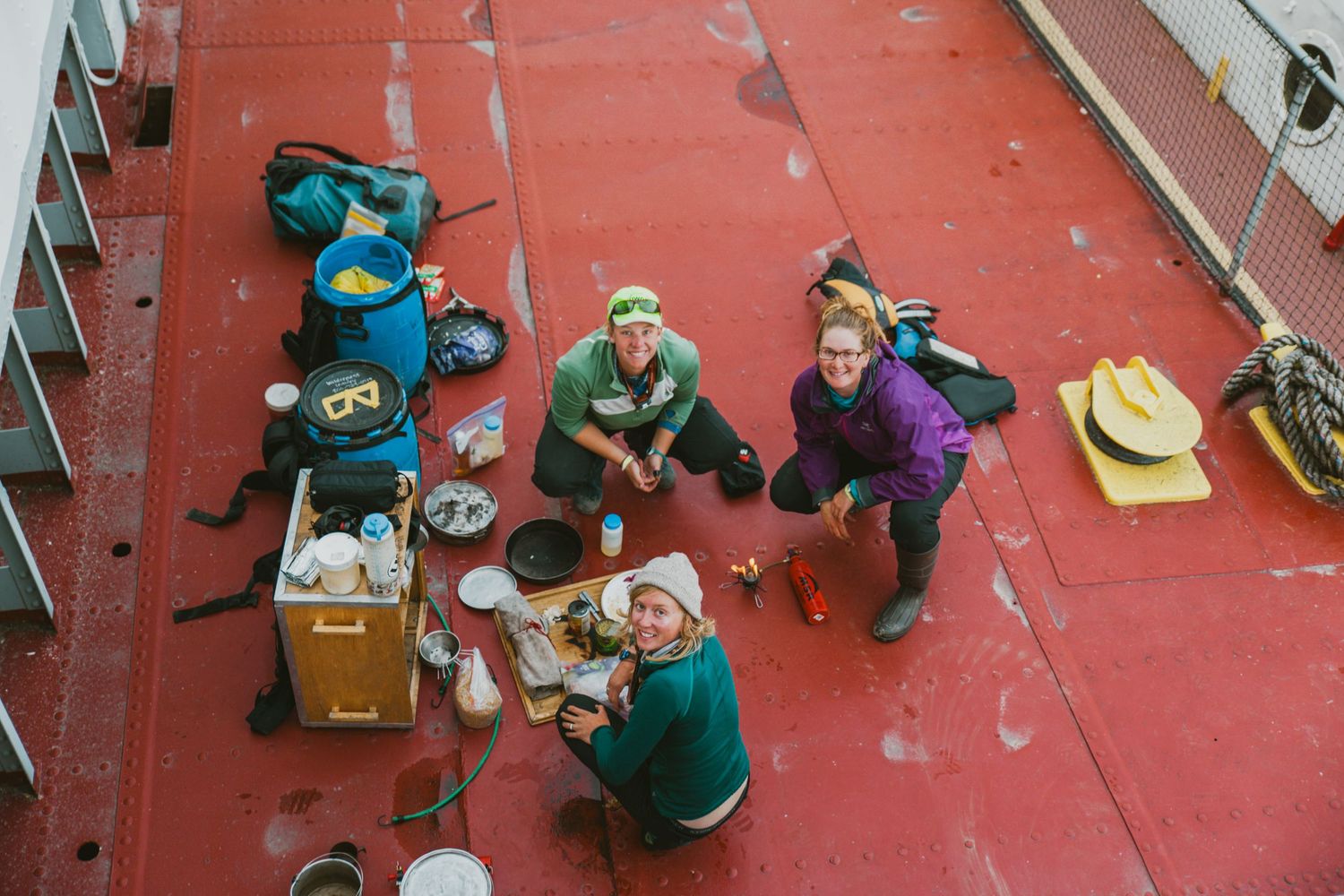
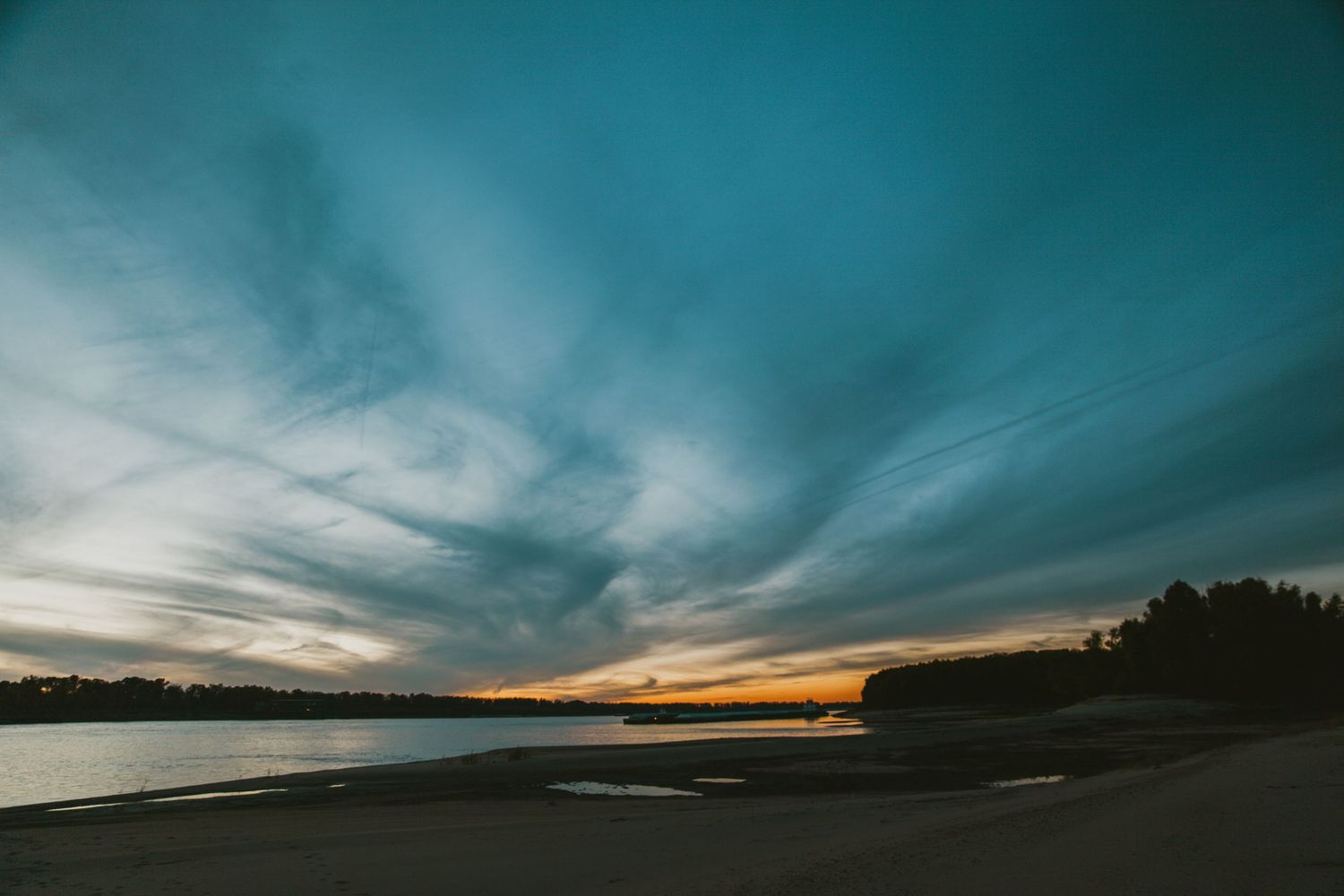
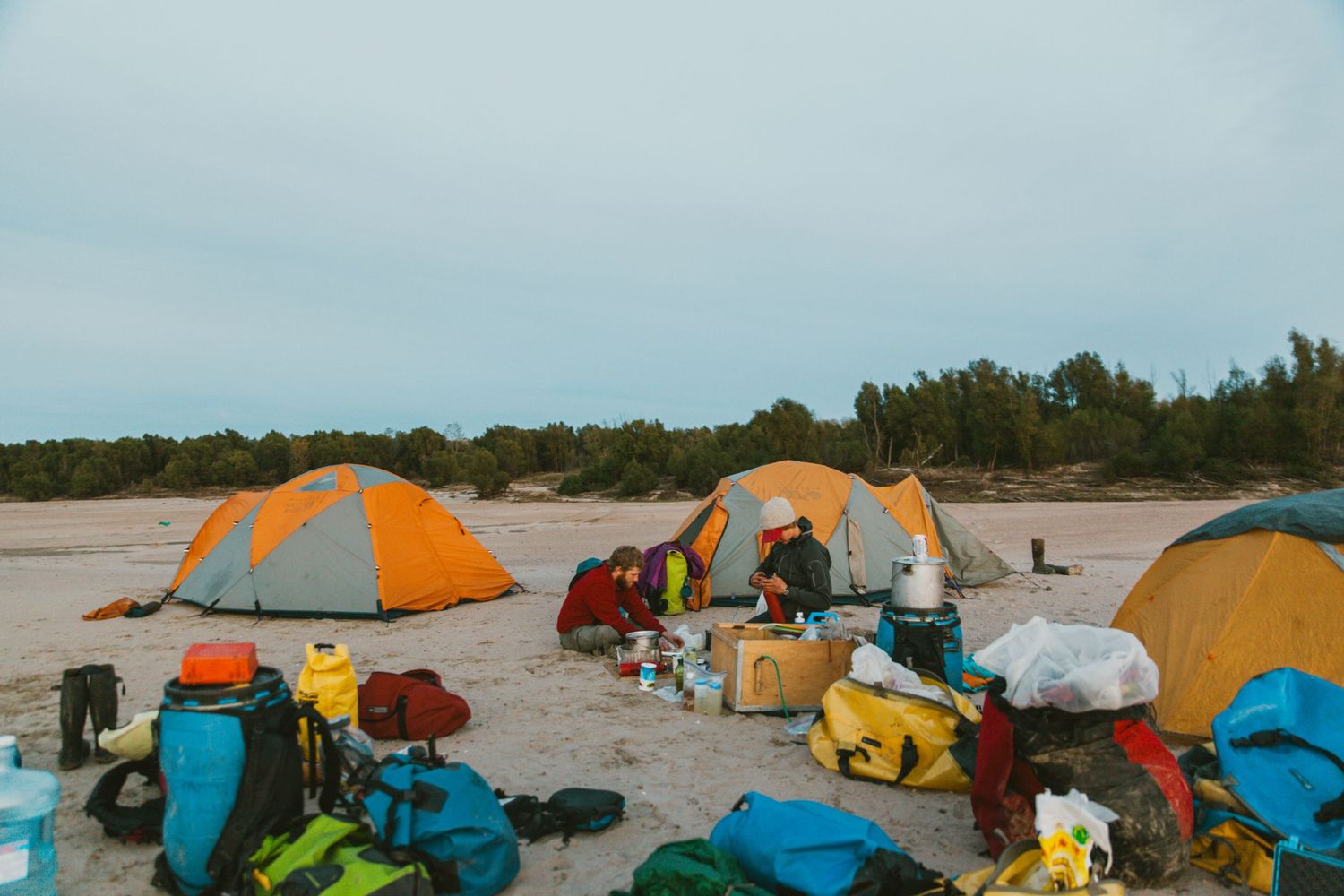
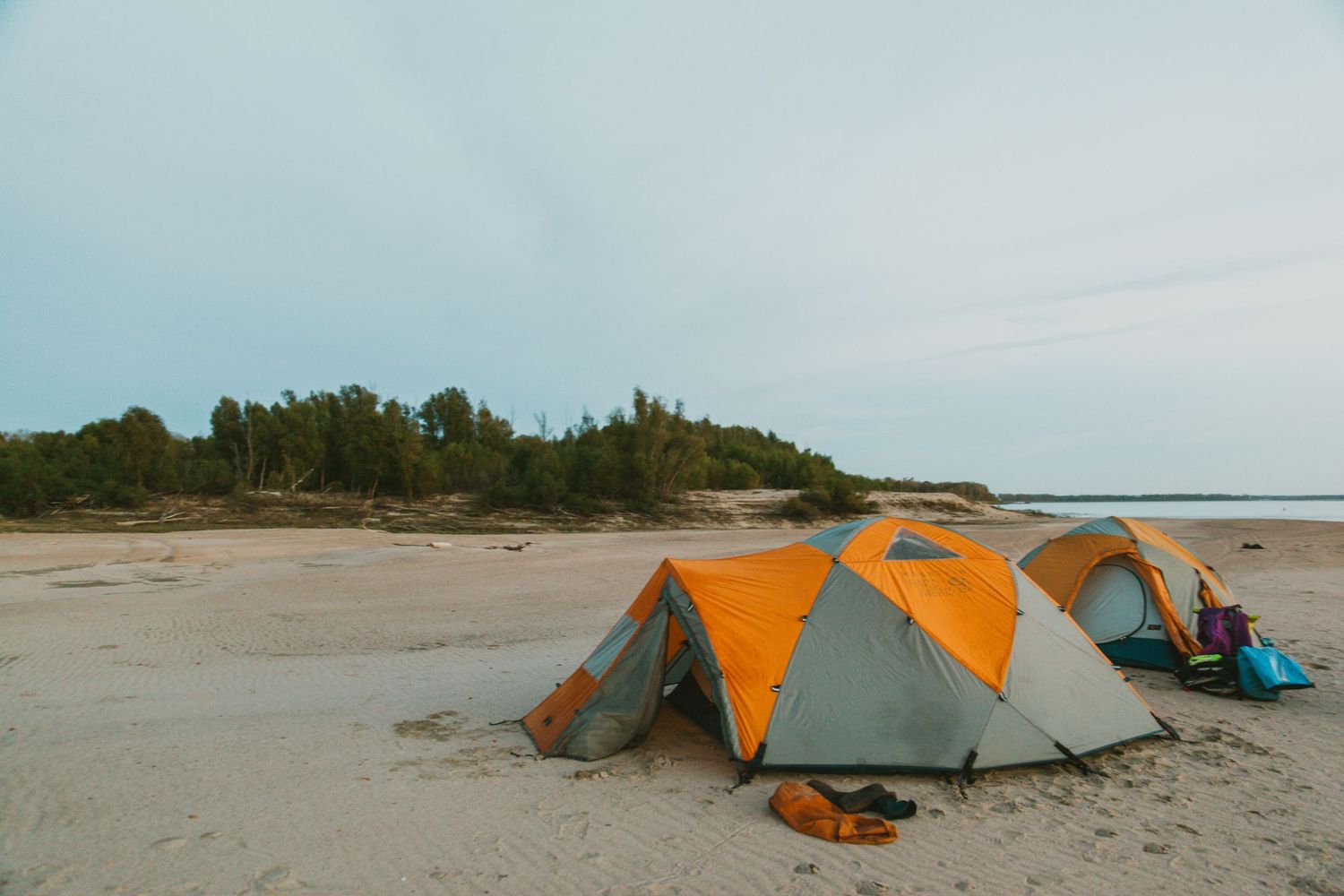
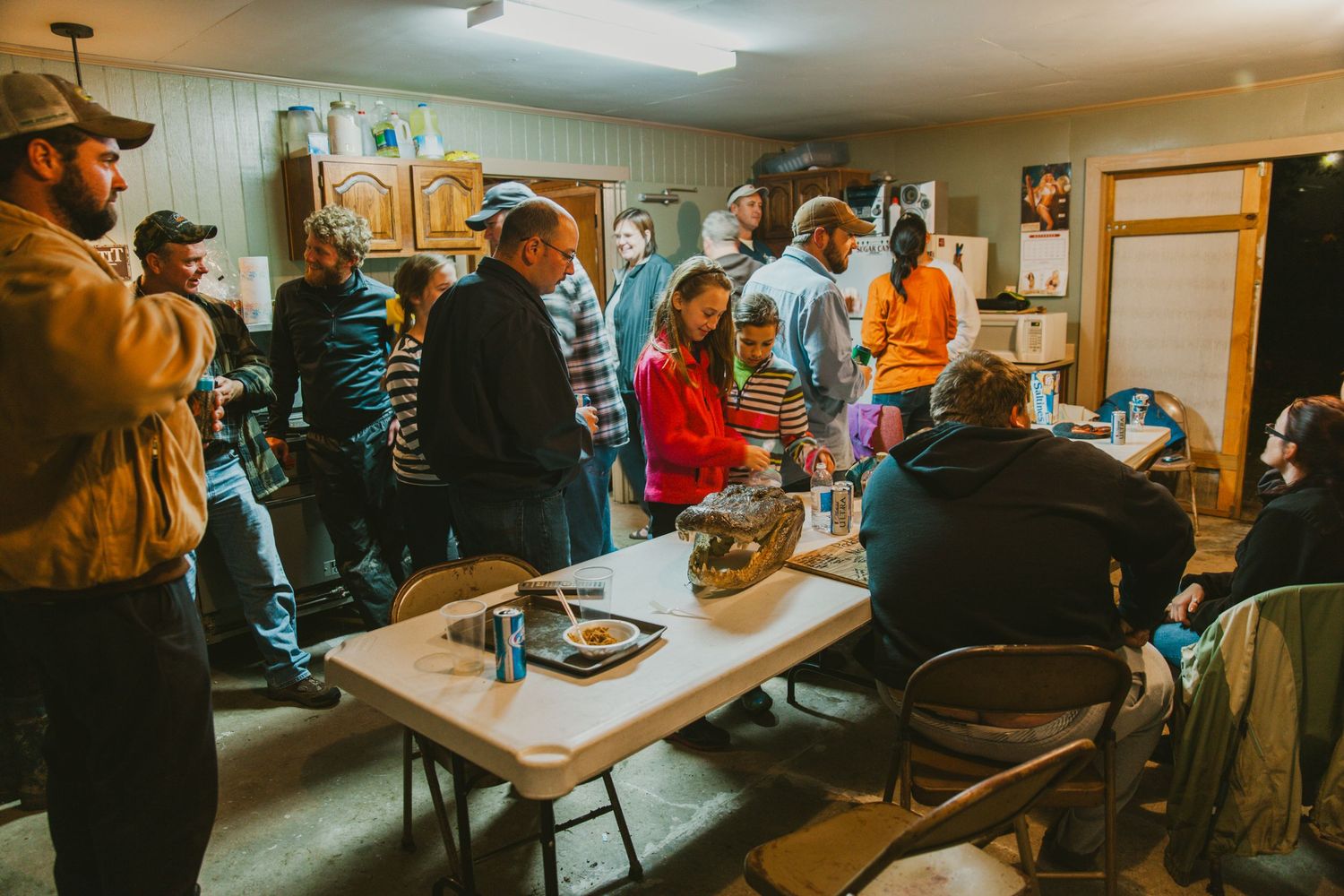
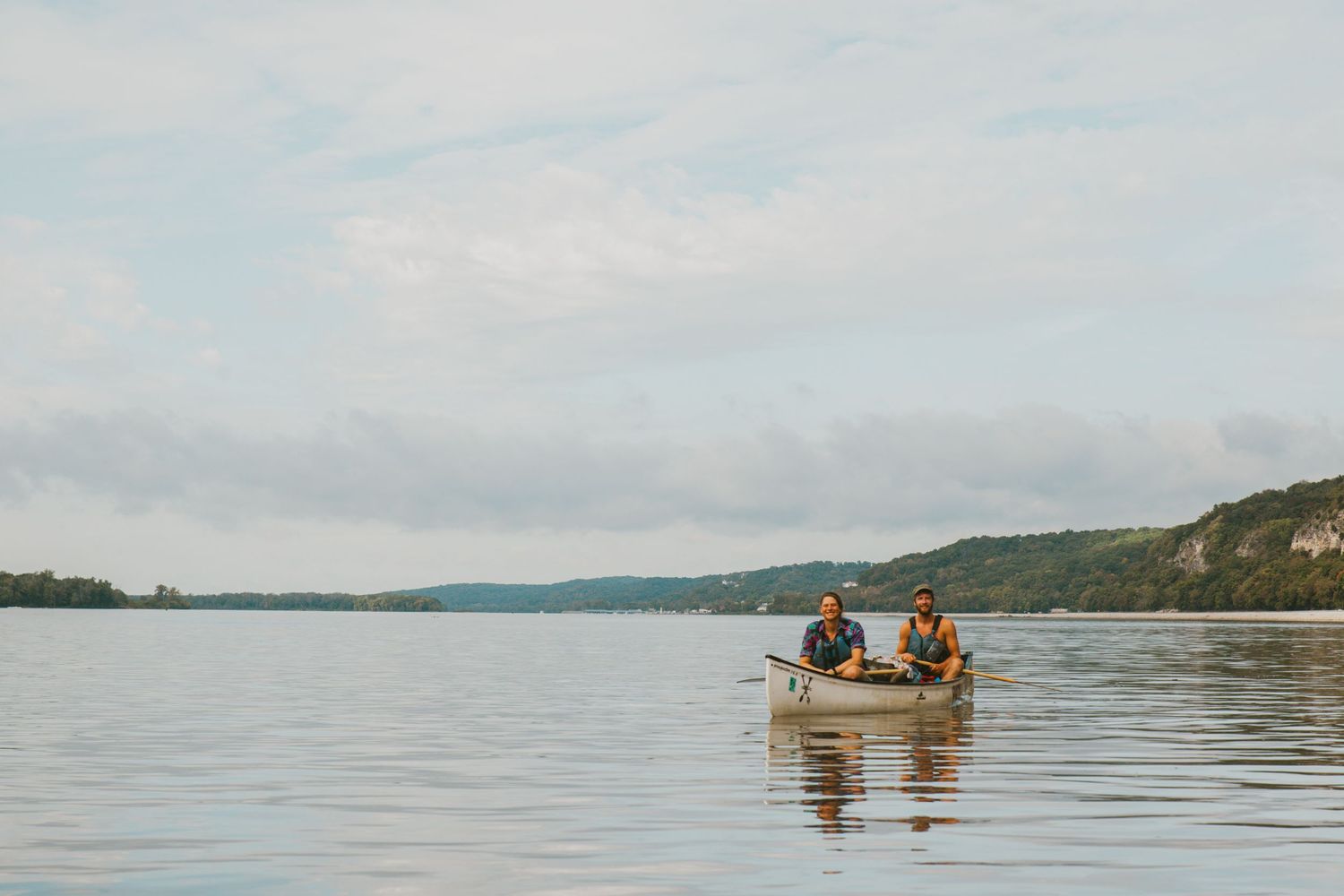
In 2013, I paddled the Mississippi River from its headwaters in Minnesota to New Orleans. The journey transformed how I understand rivers, revealing both their beauty and the ways they are shaped by history, industry, and human decisions. More than an endurance feat, the expedition deepened my connection to water, place, and the communities that call the river home.
Twelve years later, in 2025, I returned to complete the final stretch of the river, paddling from New Orleans to the Gulf of Mexico. Revisiting the Mississippi offered a chance to reflect on how both the river and I had changed.
Illinois River
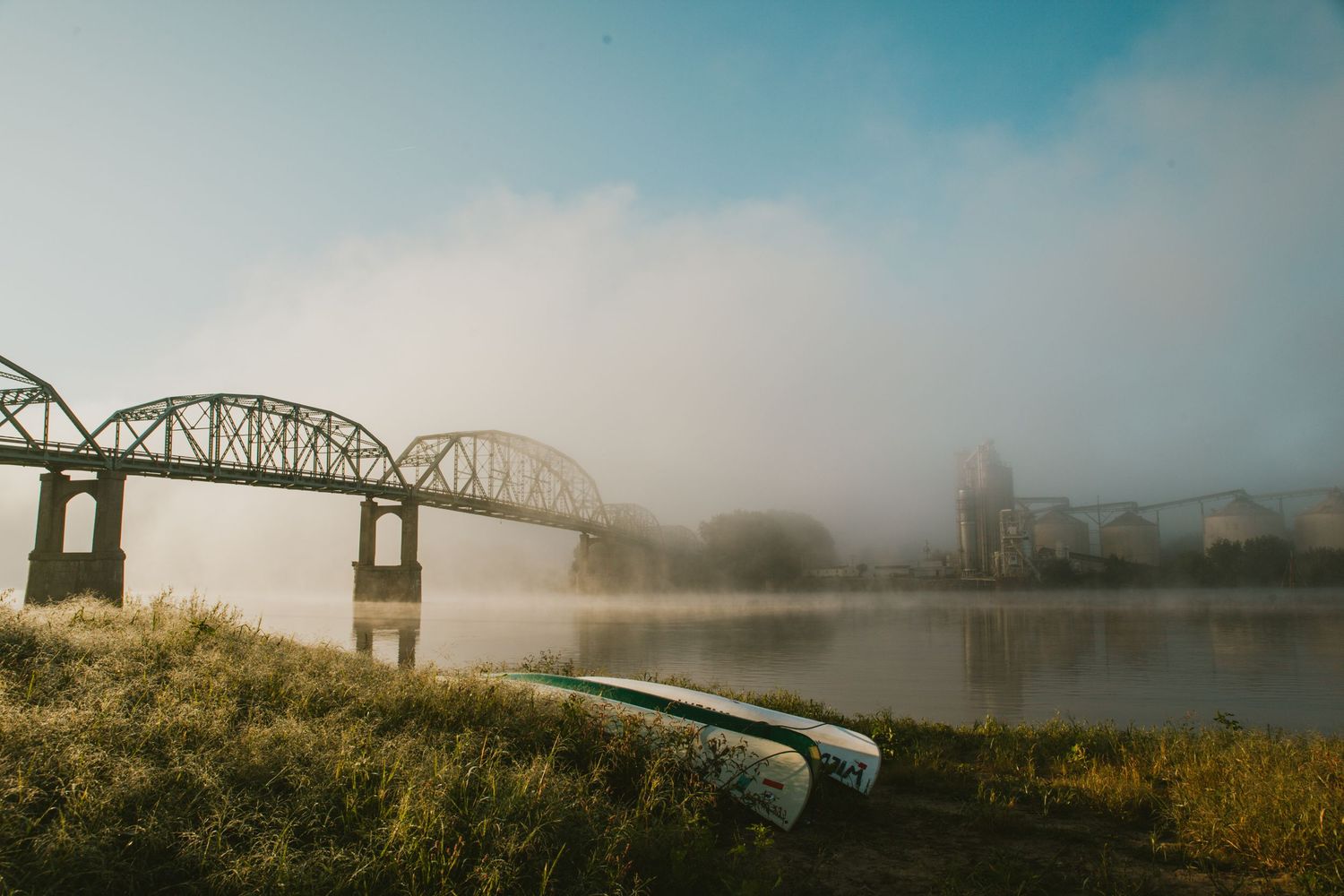
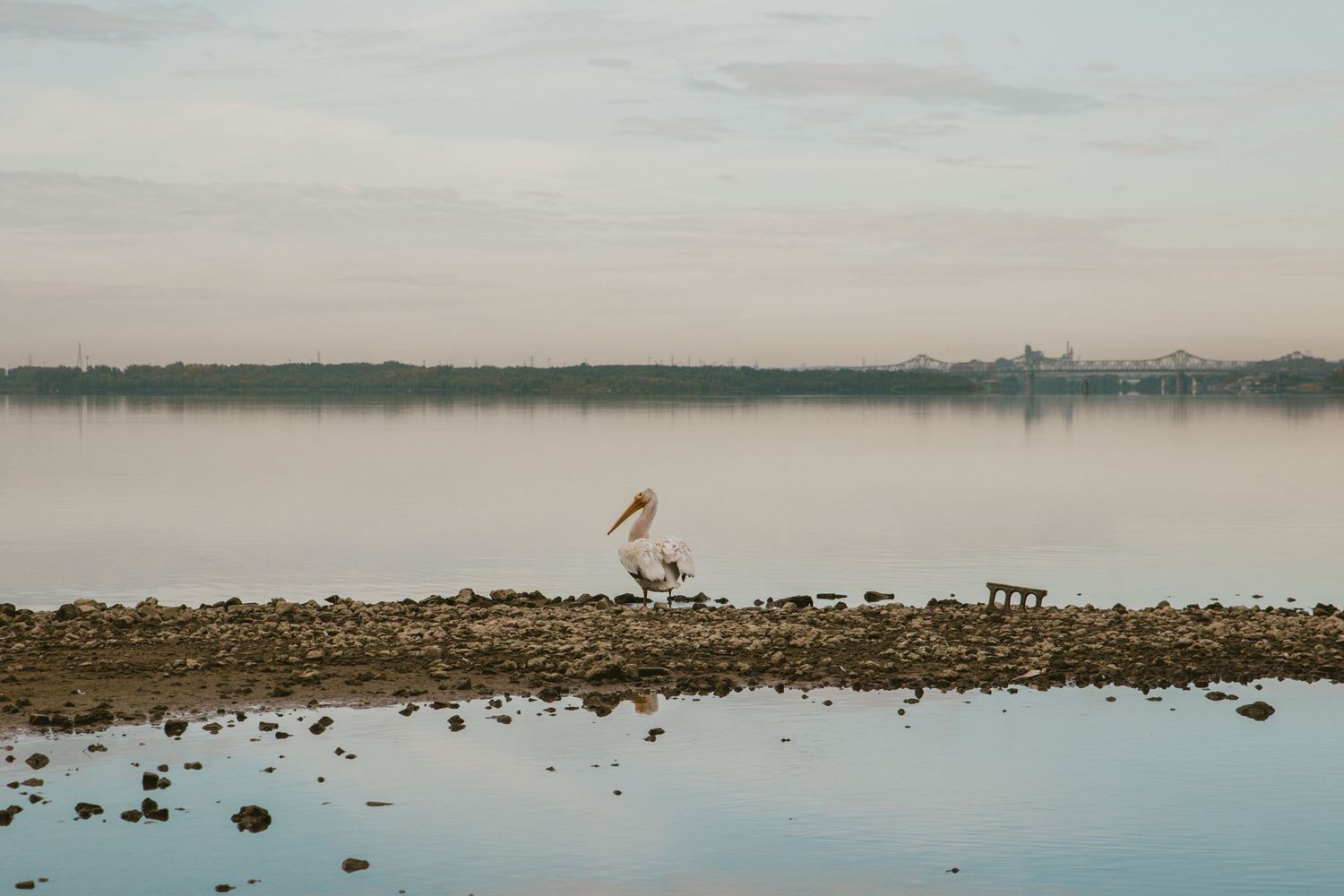
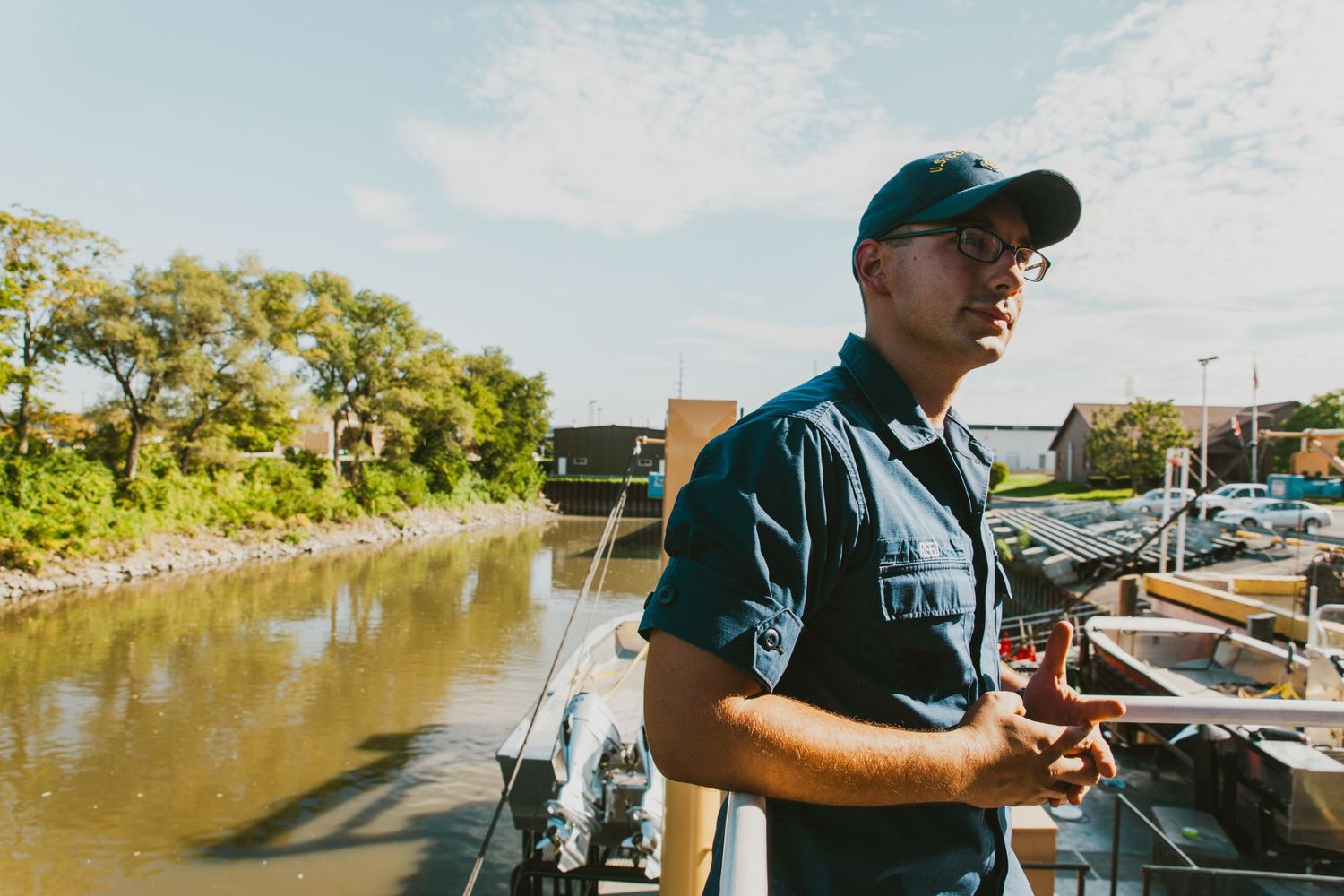
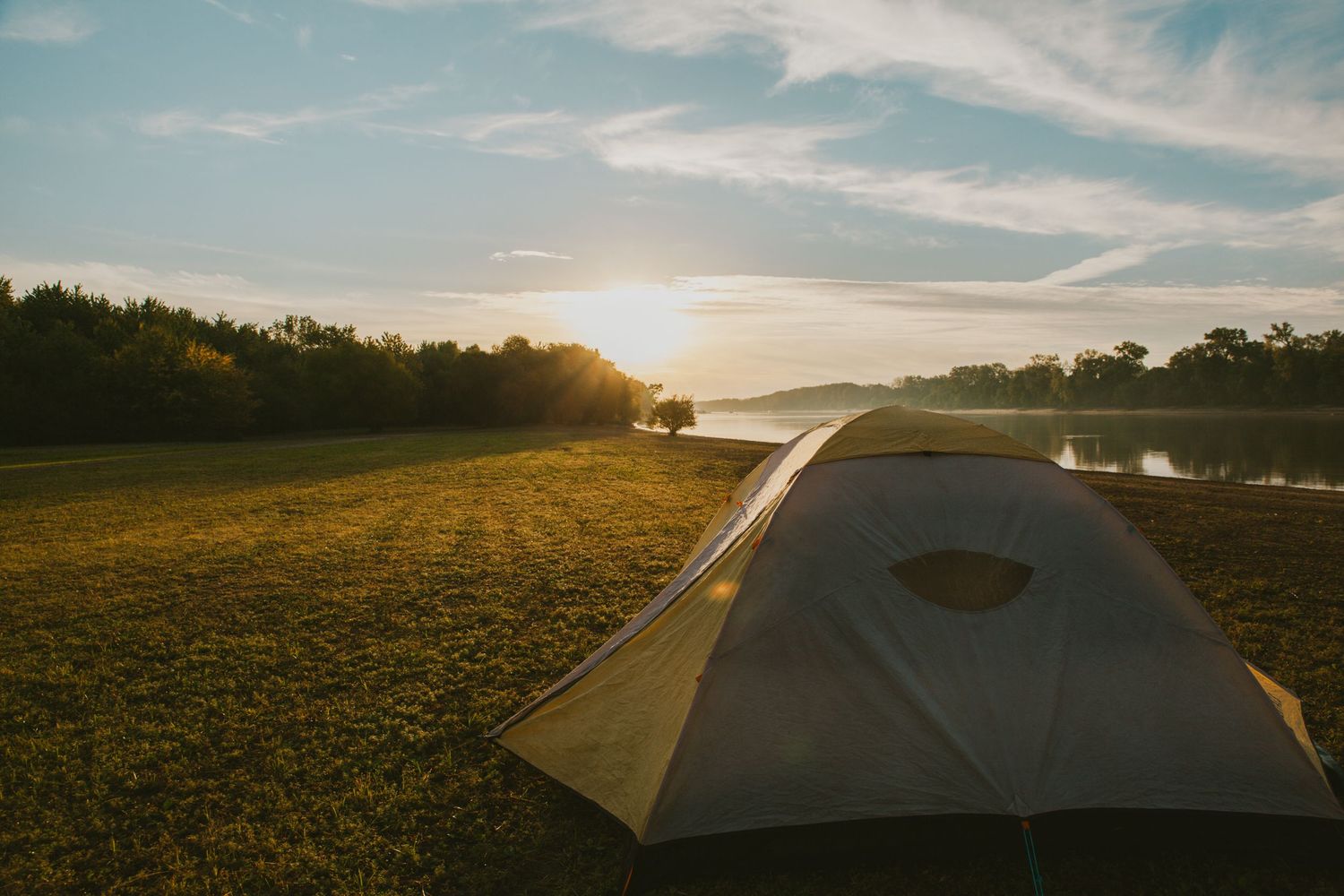
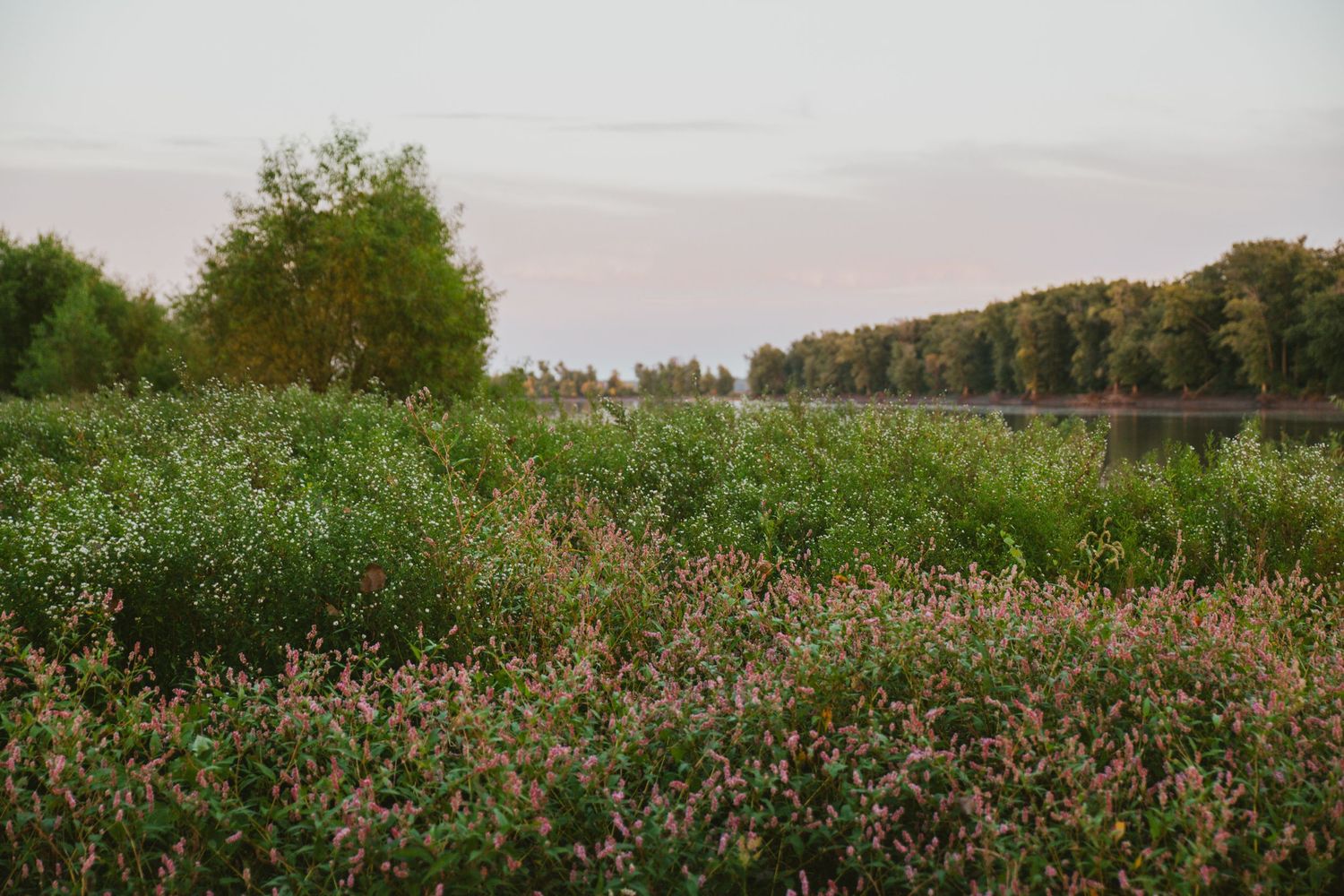
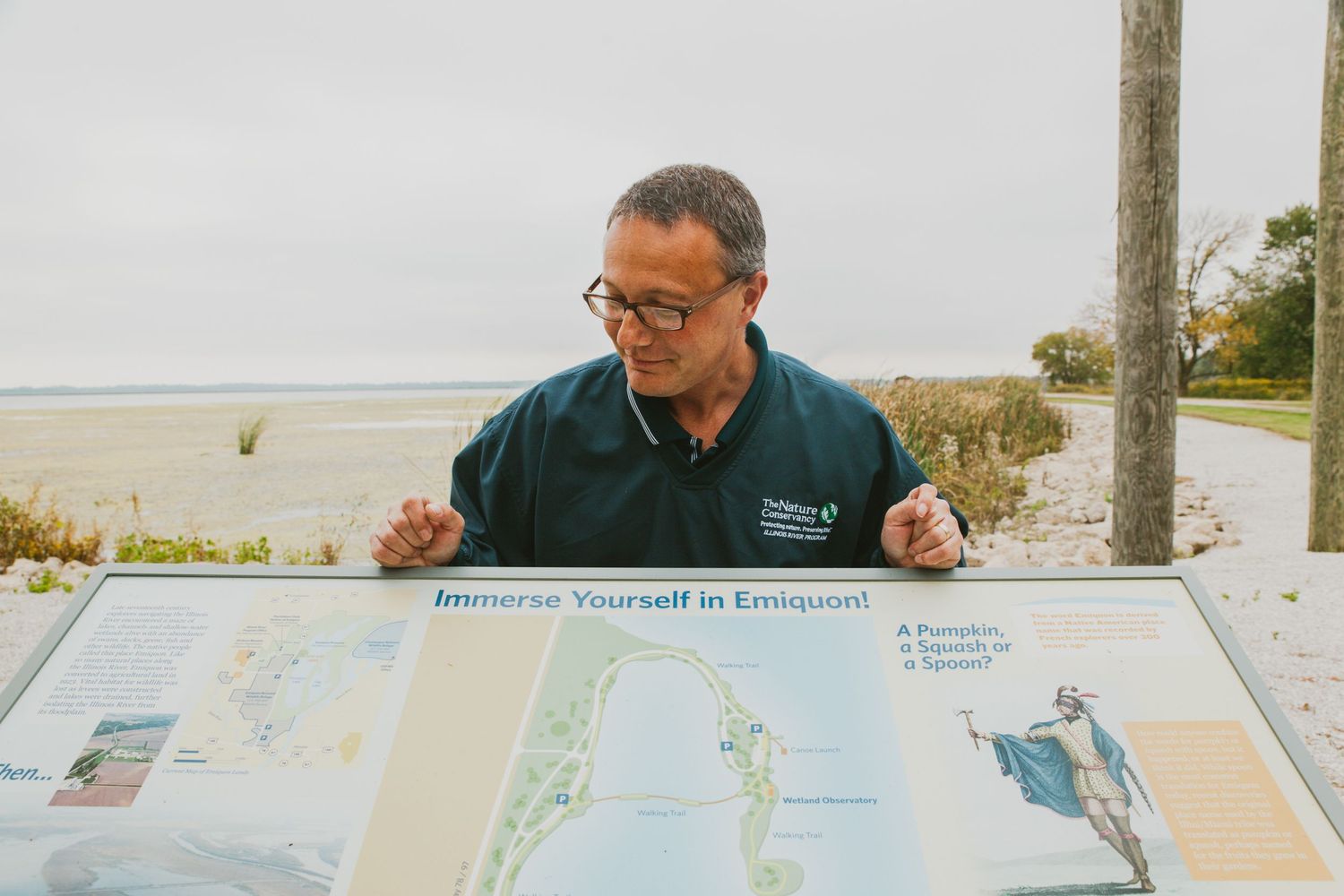
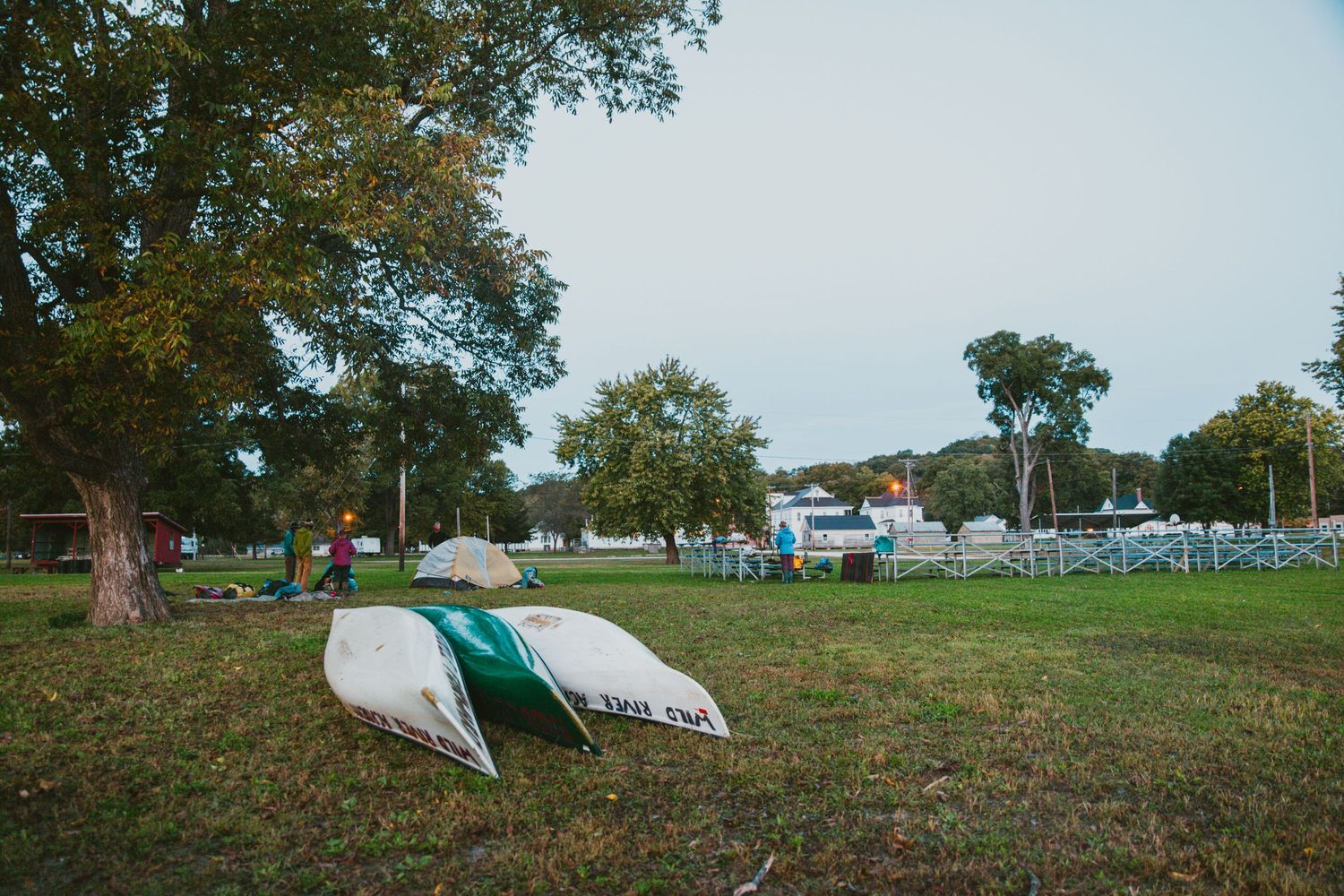
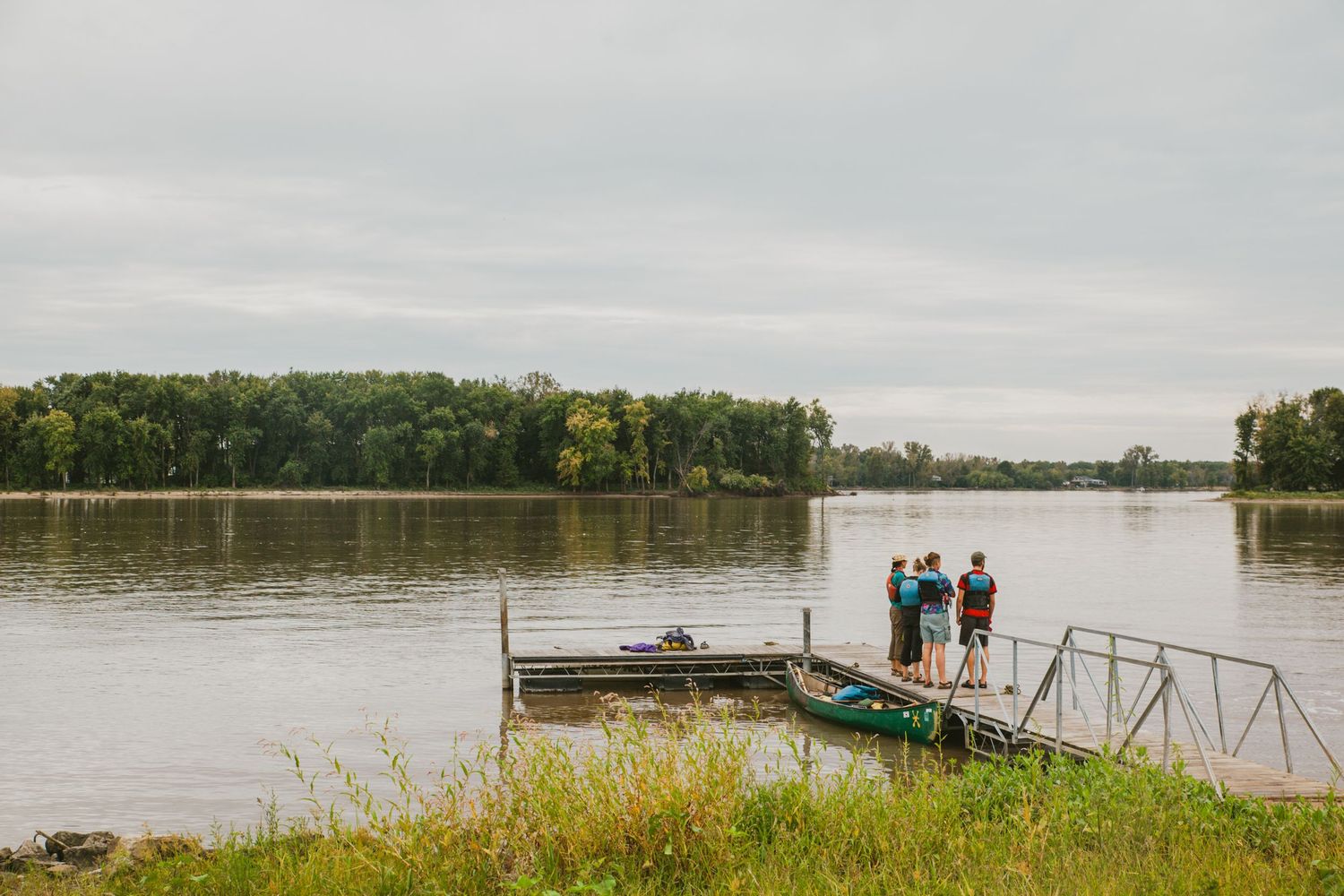
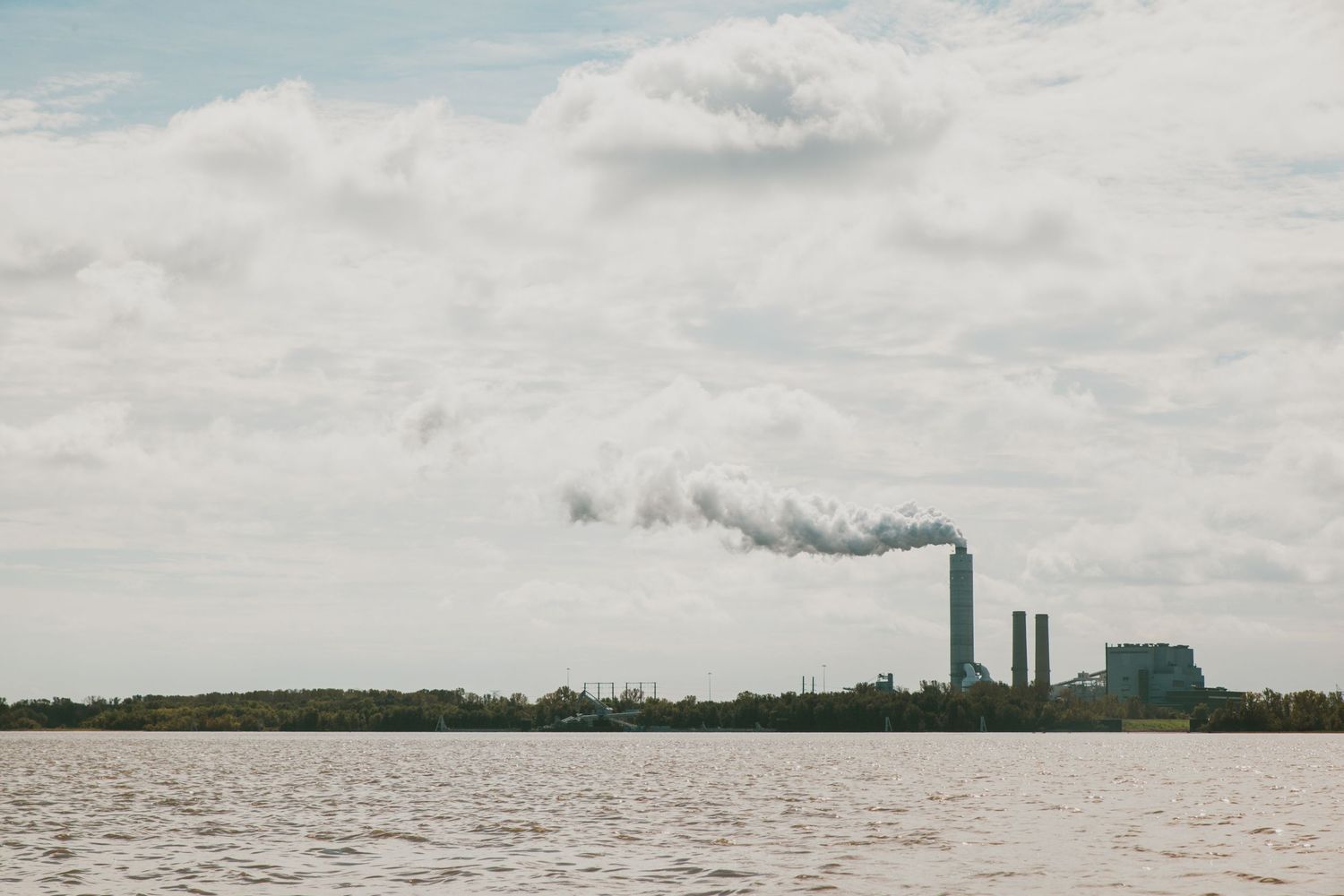
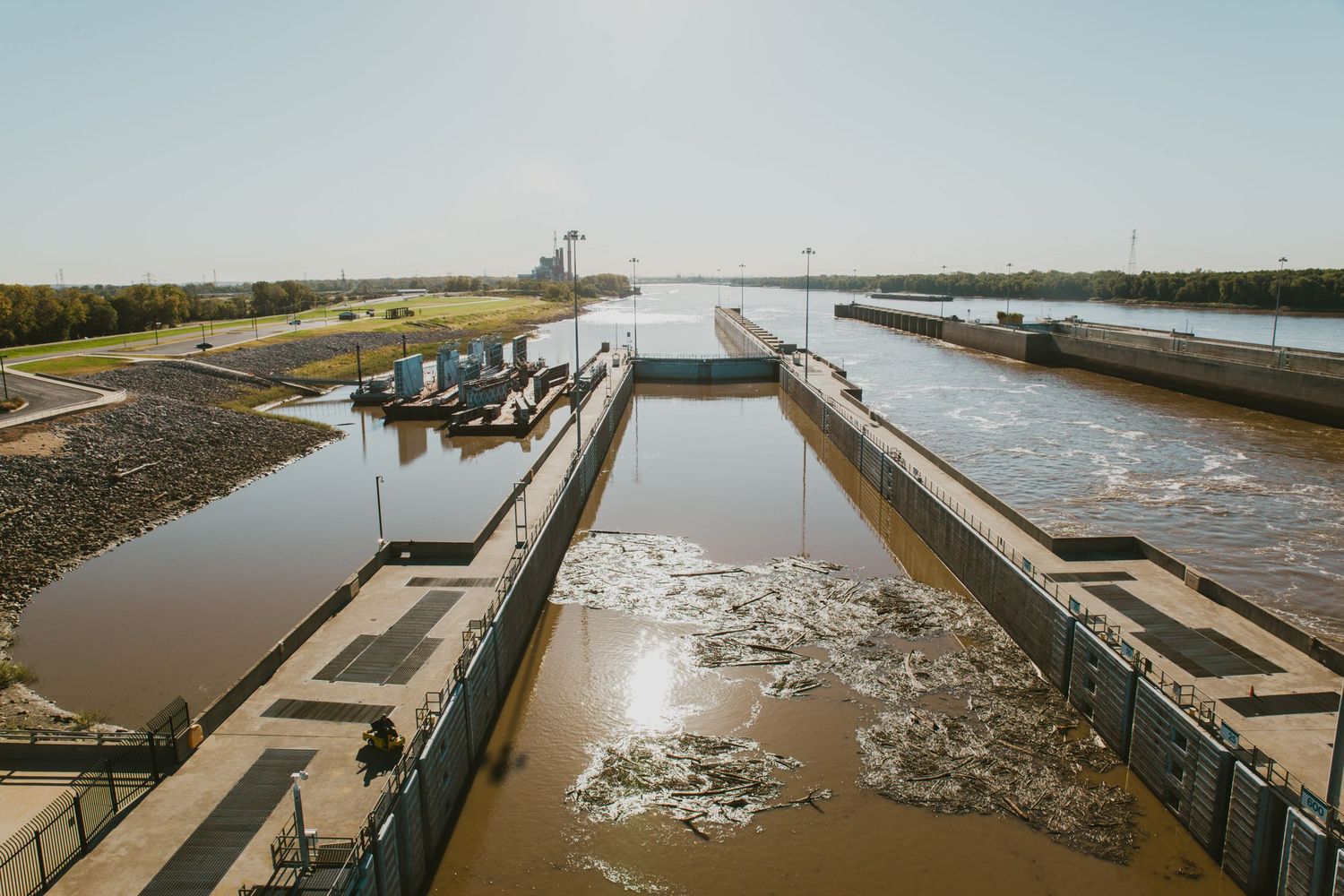
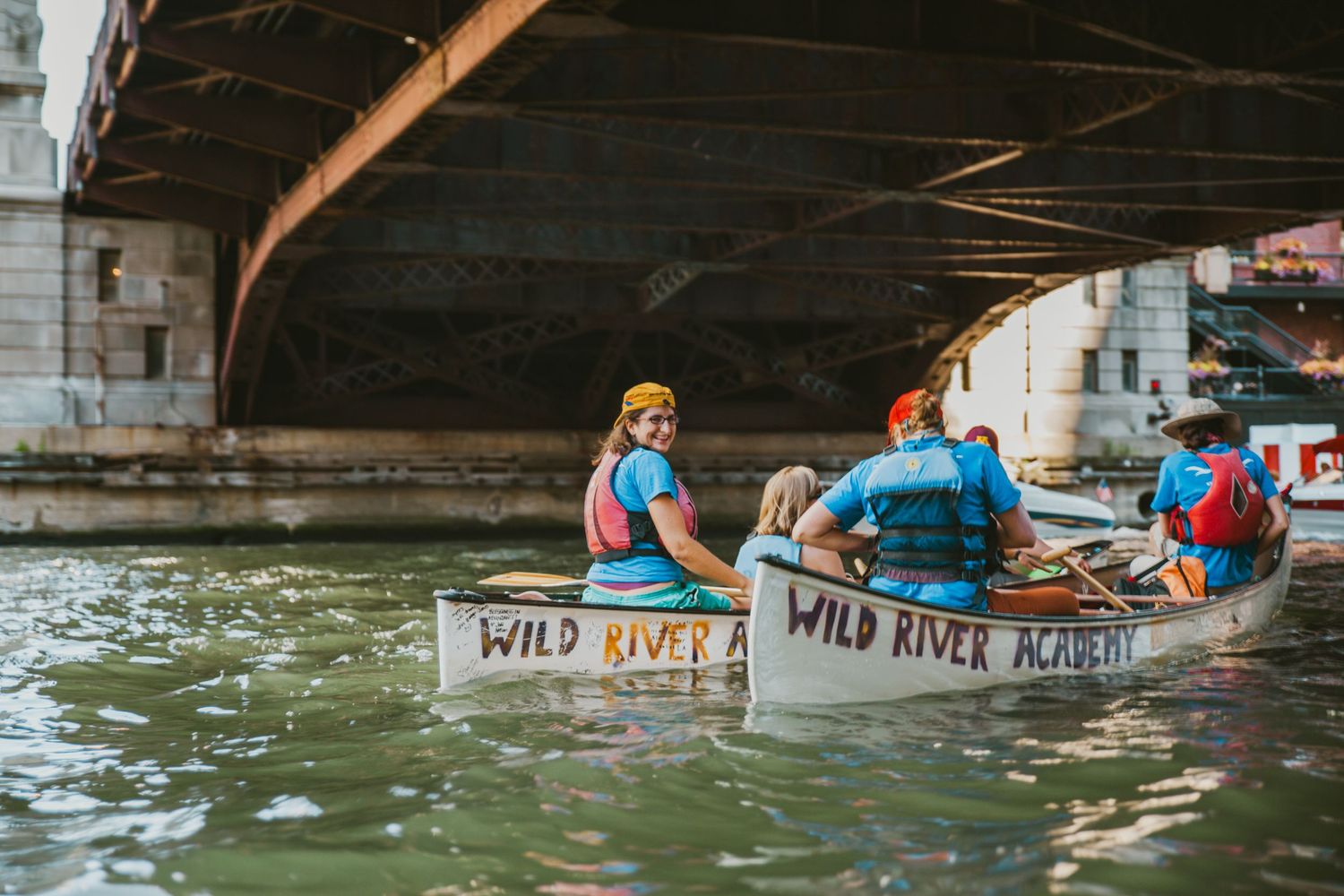
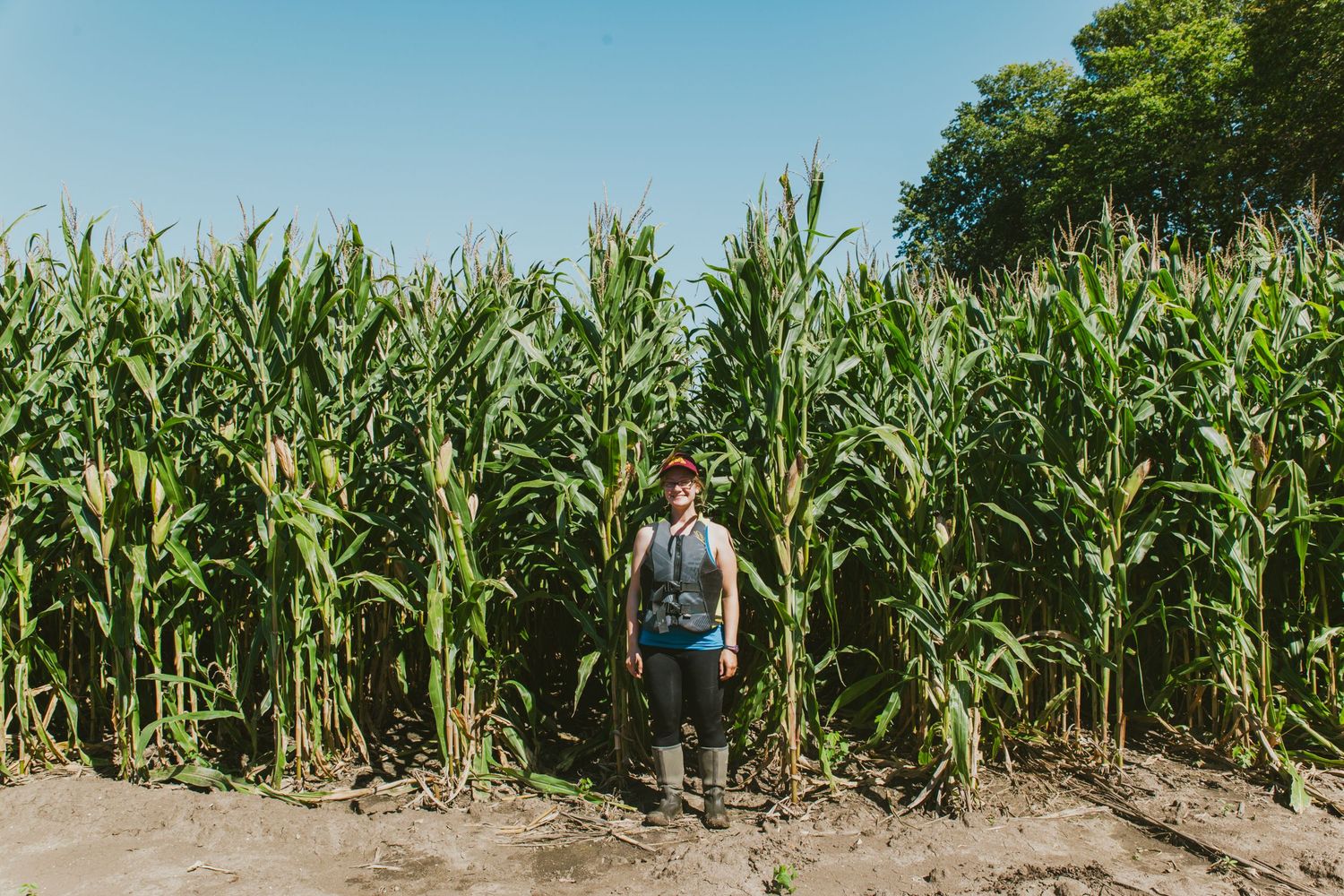
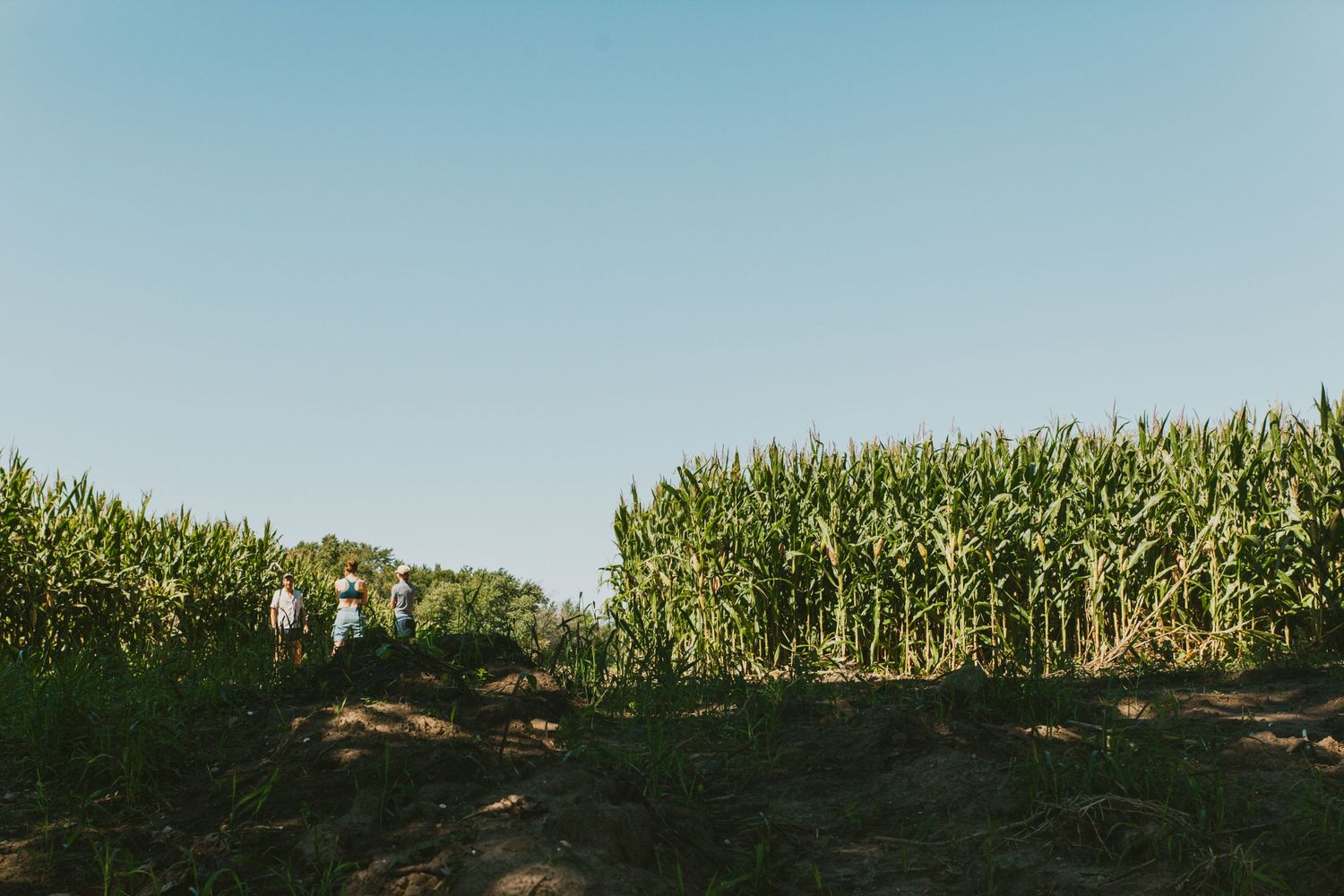
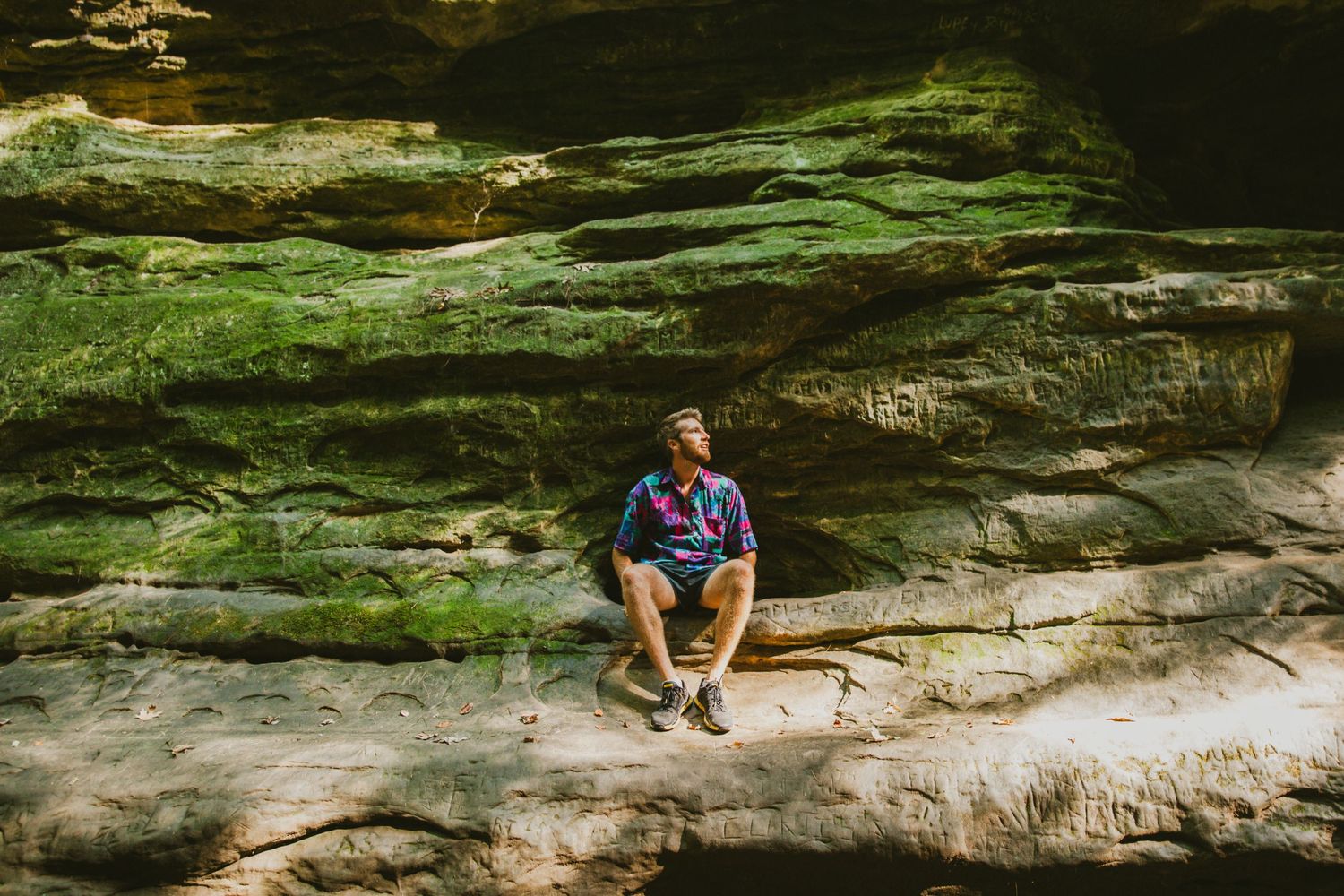
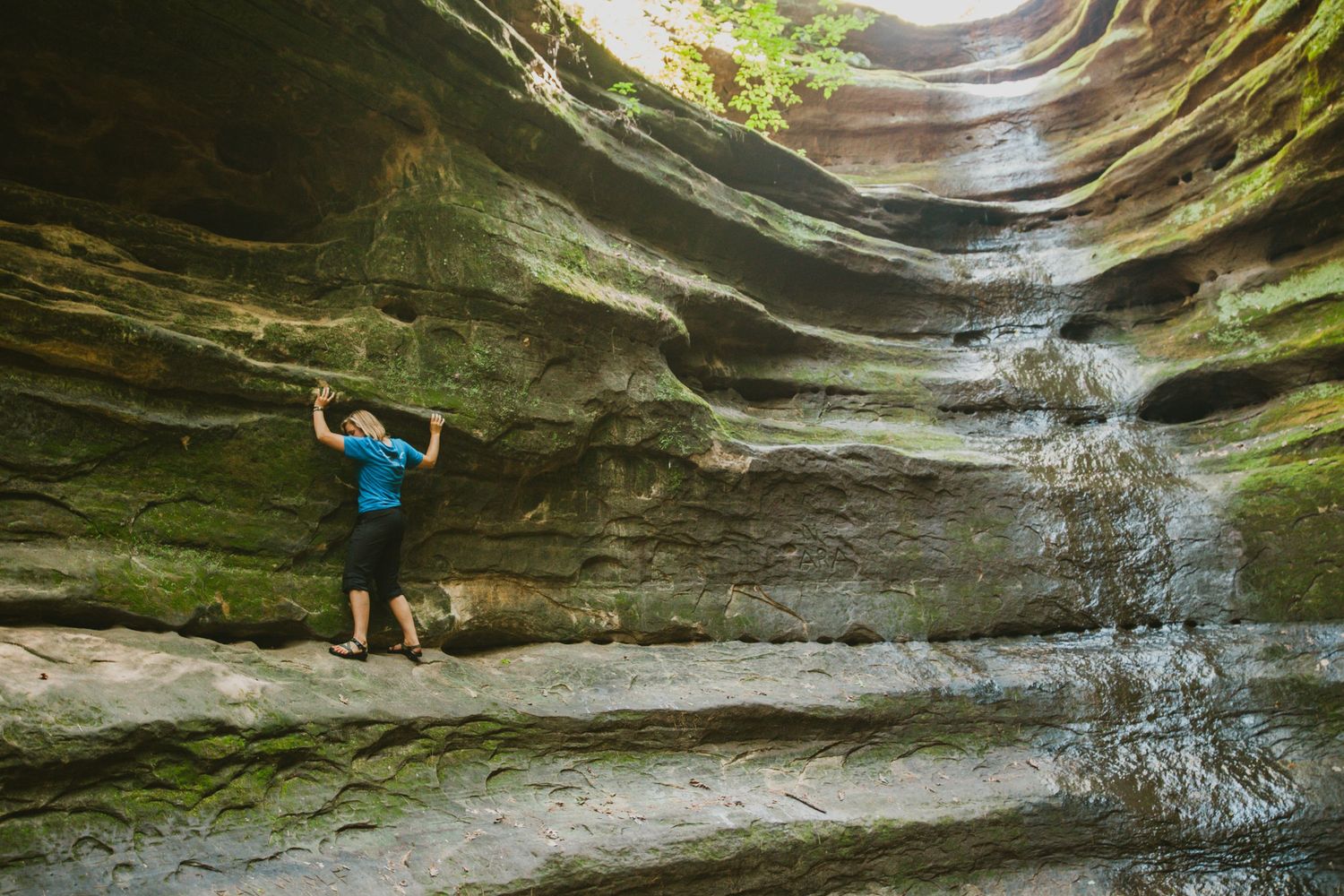
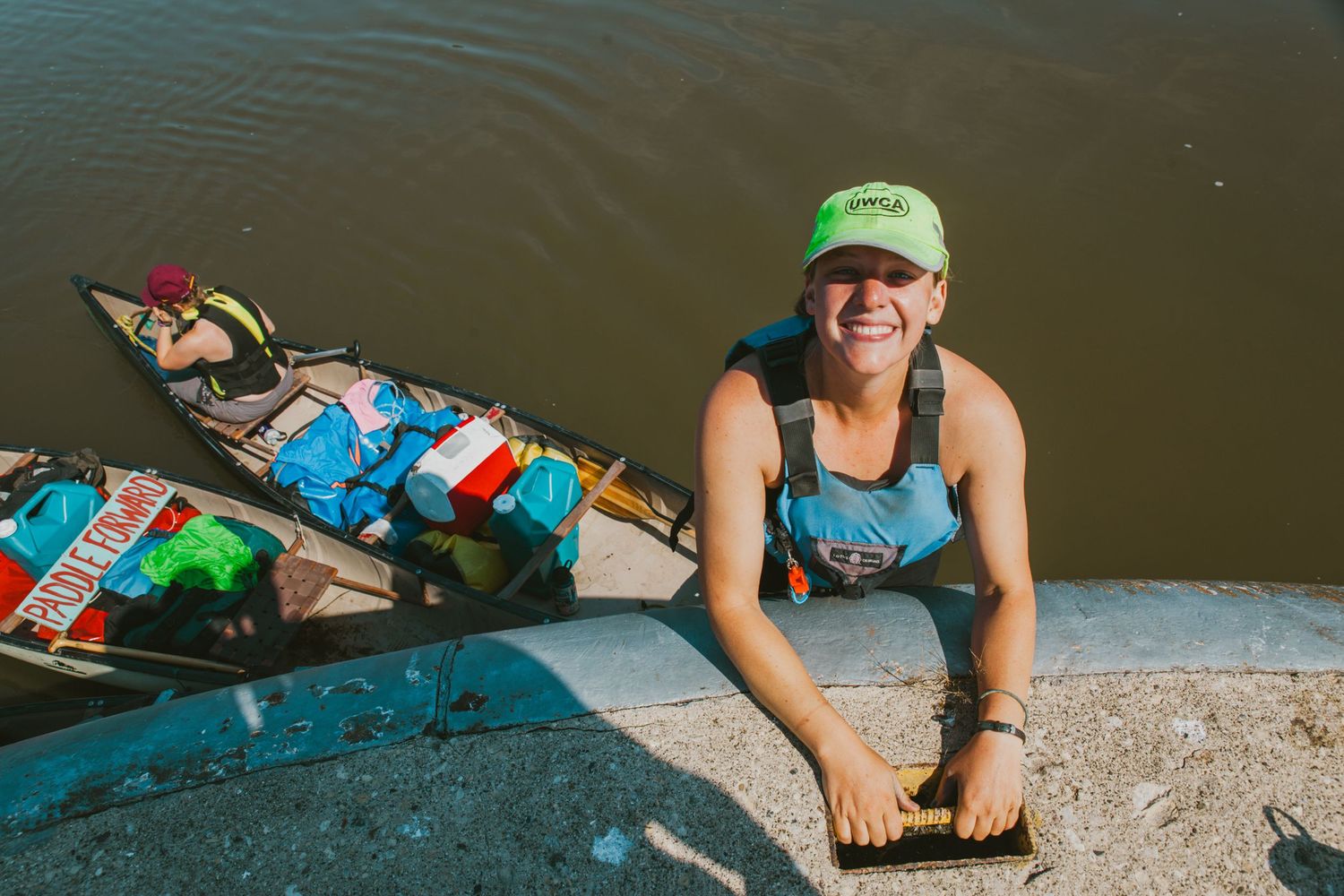
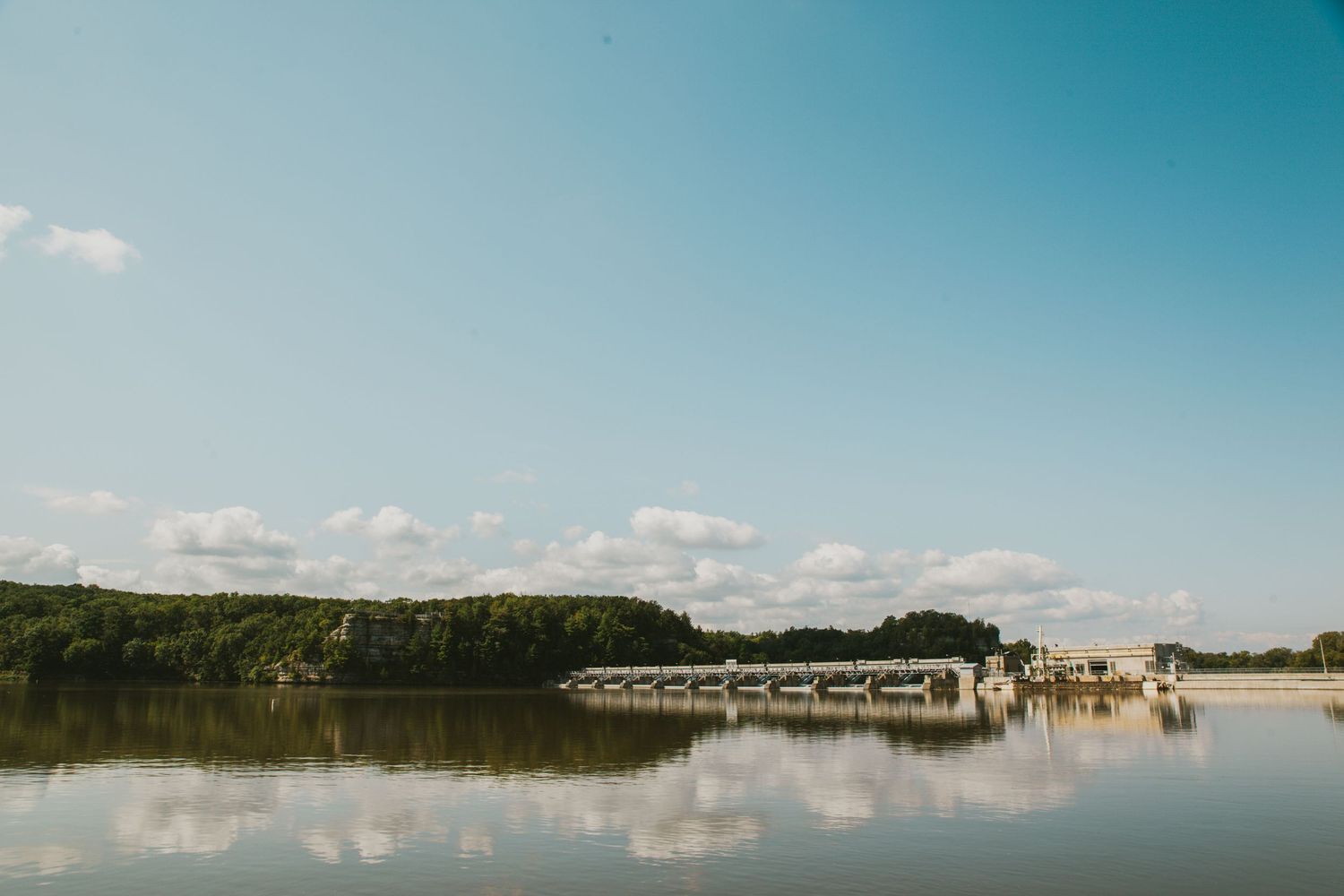
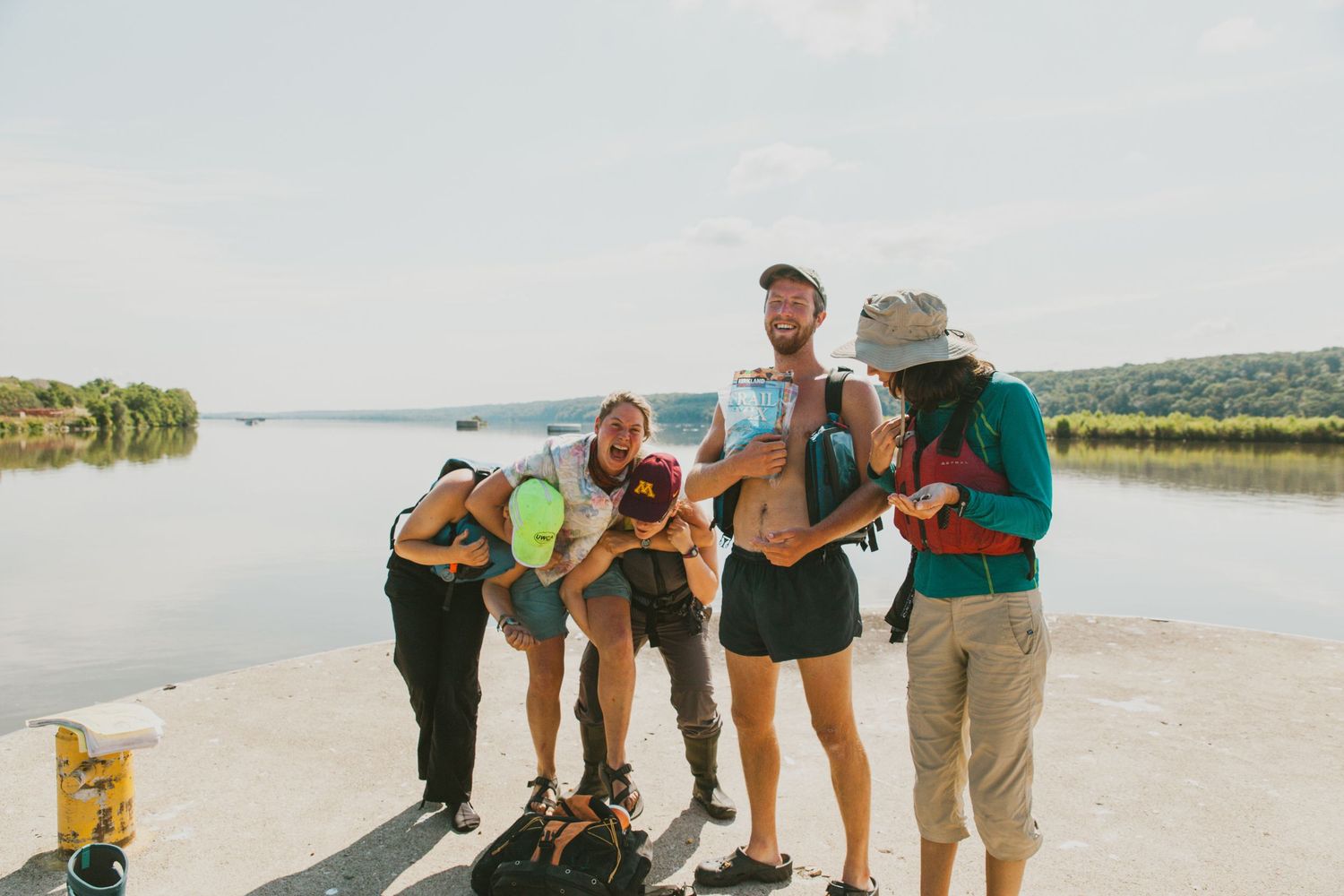
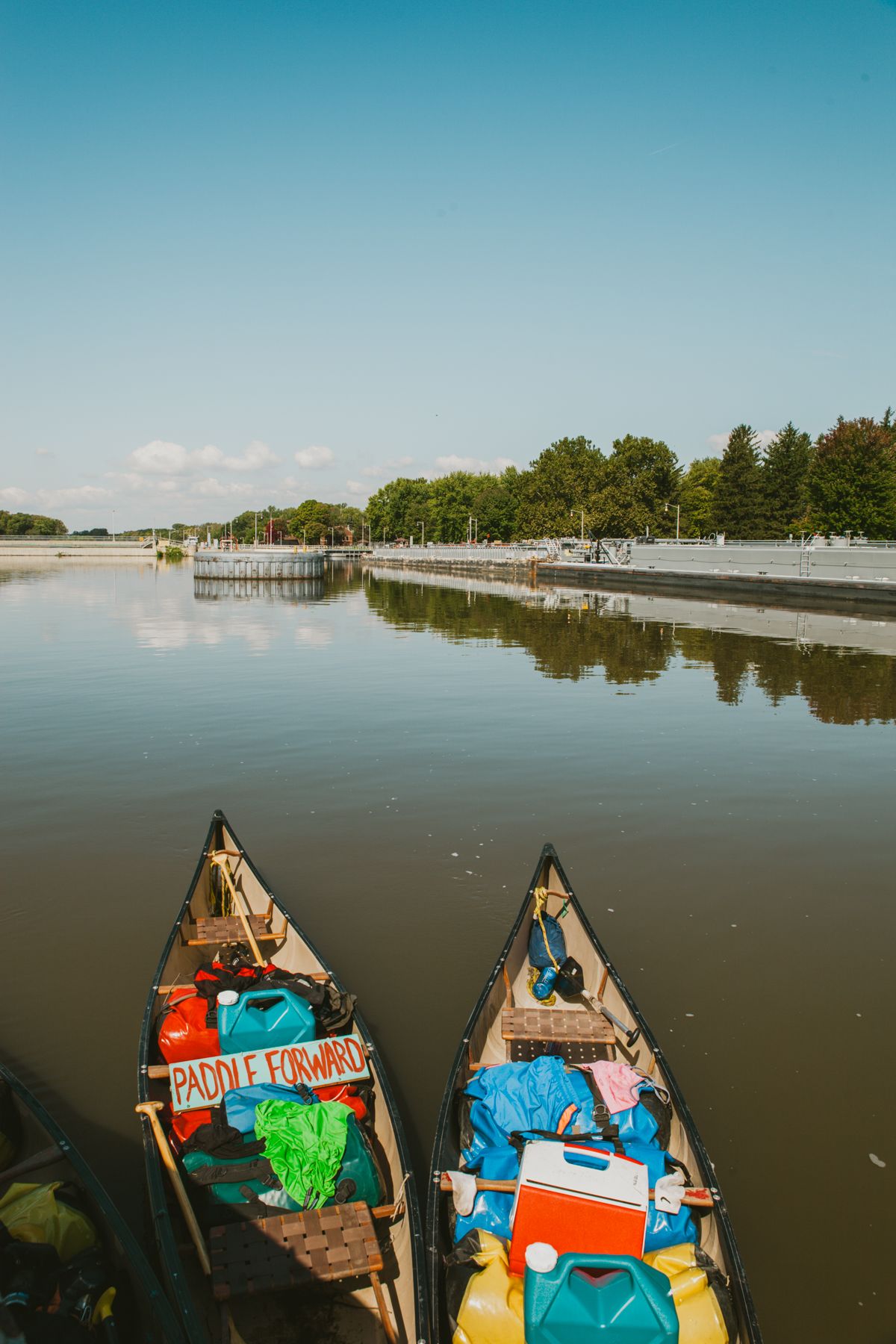
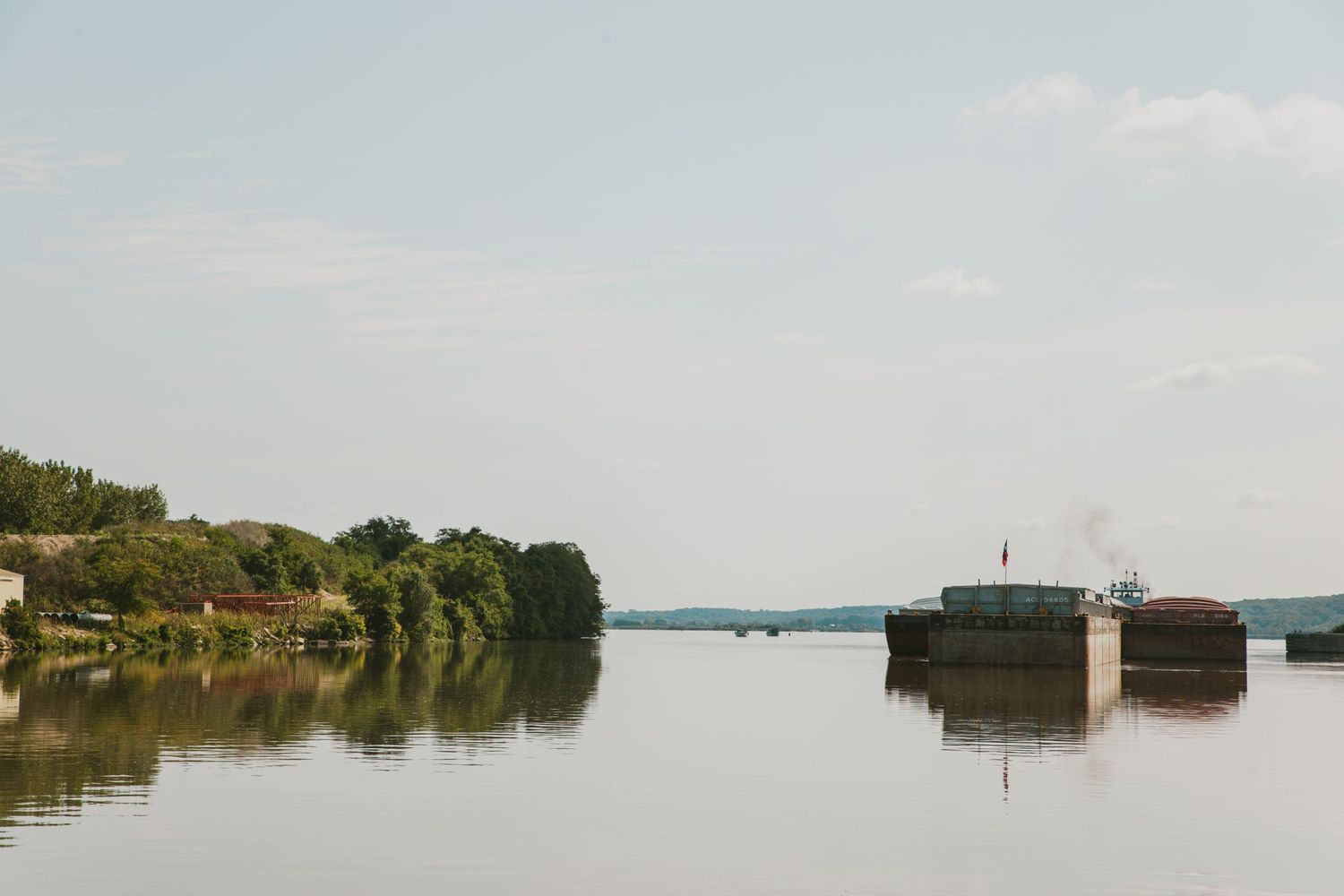
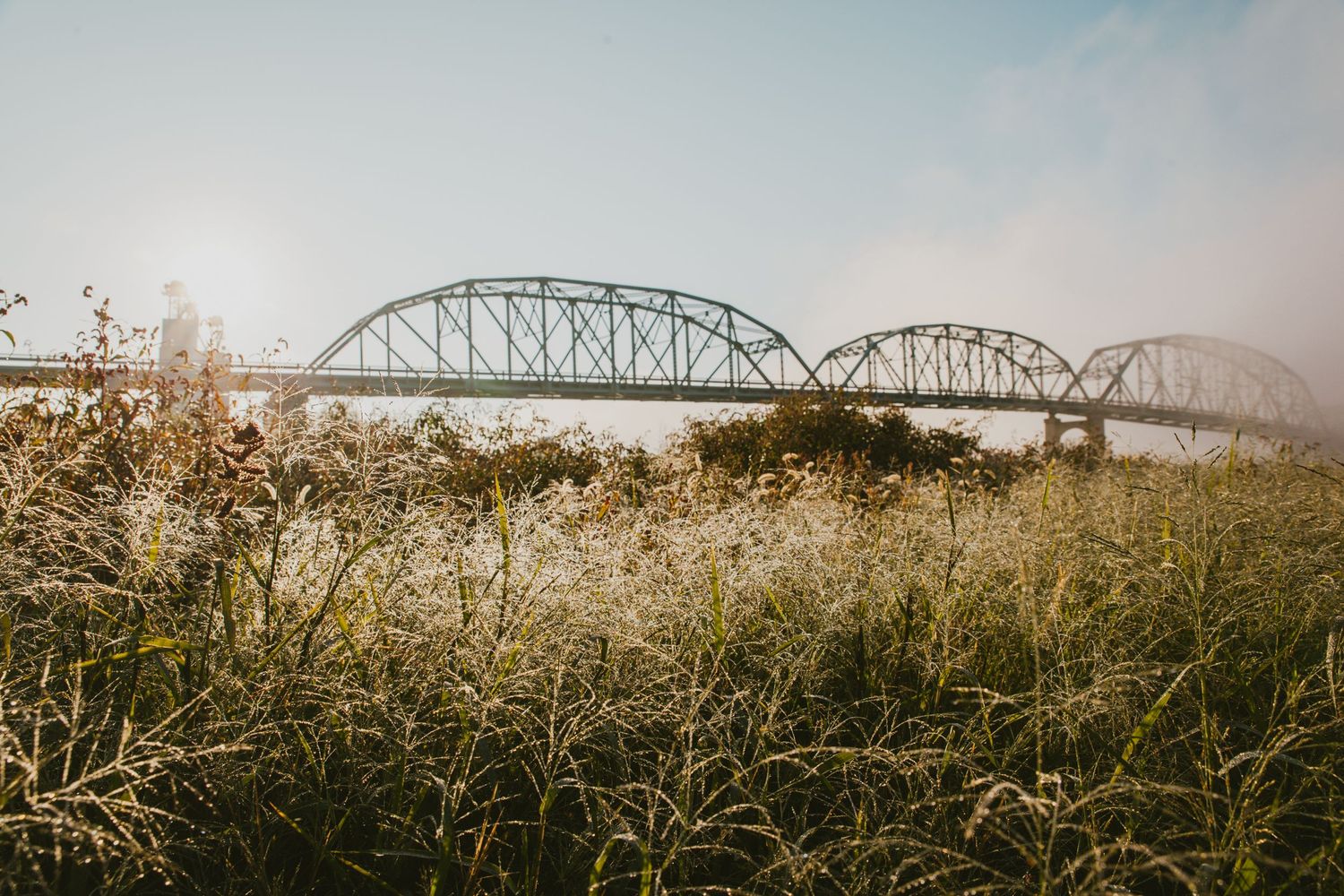
In 2014, I paddled the length of the Illinois River, following a waterway shaped by commerce, industry, and human engineering. The journey offered a closer look at the complex relationship between people and rivers, revealing both the ecological challenges facing the watershed and the communities that depend on it.
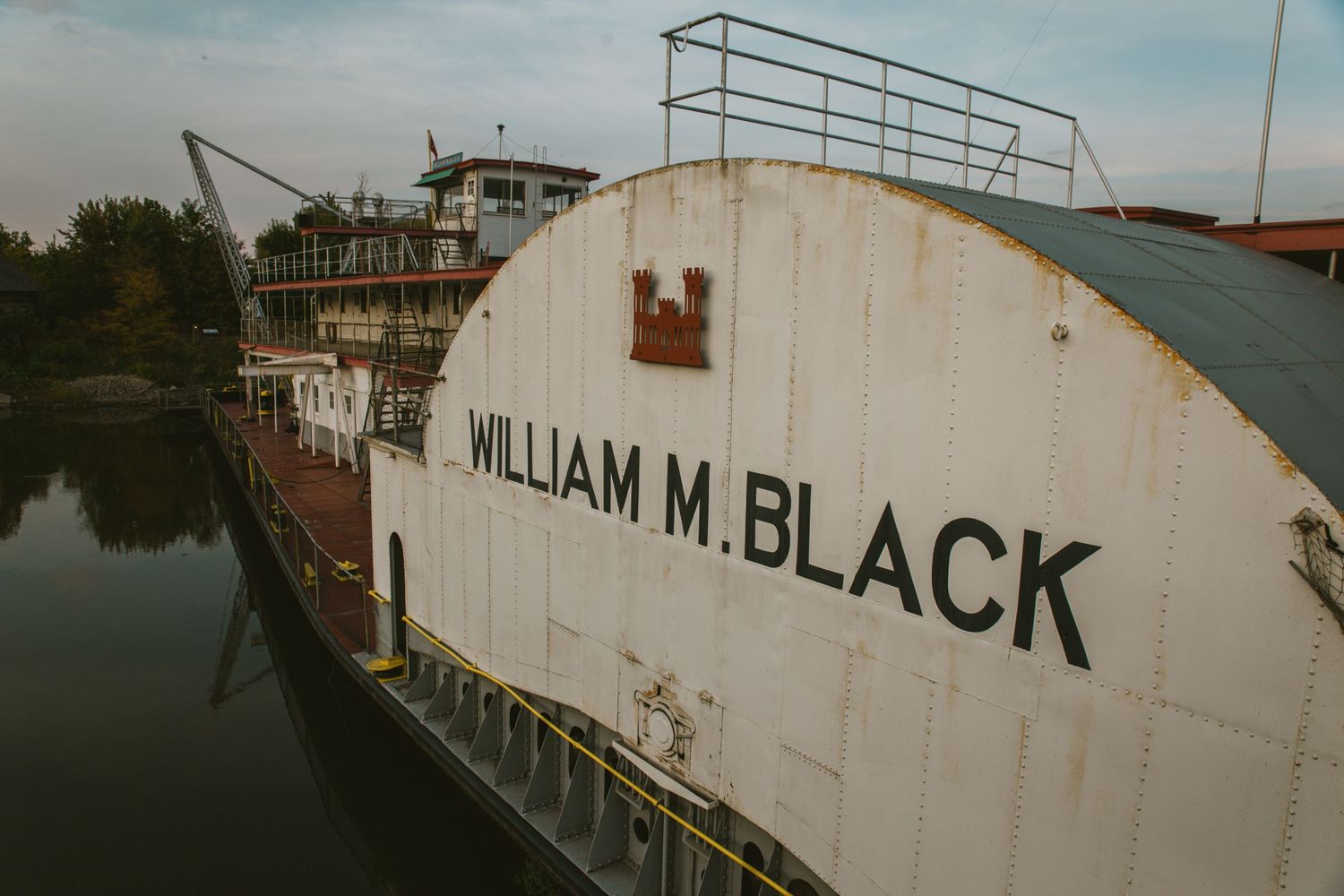
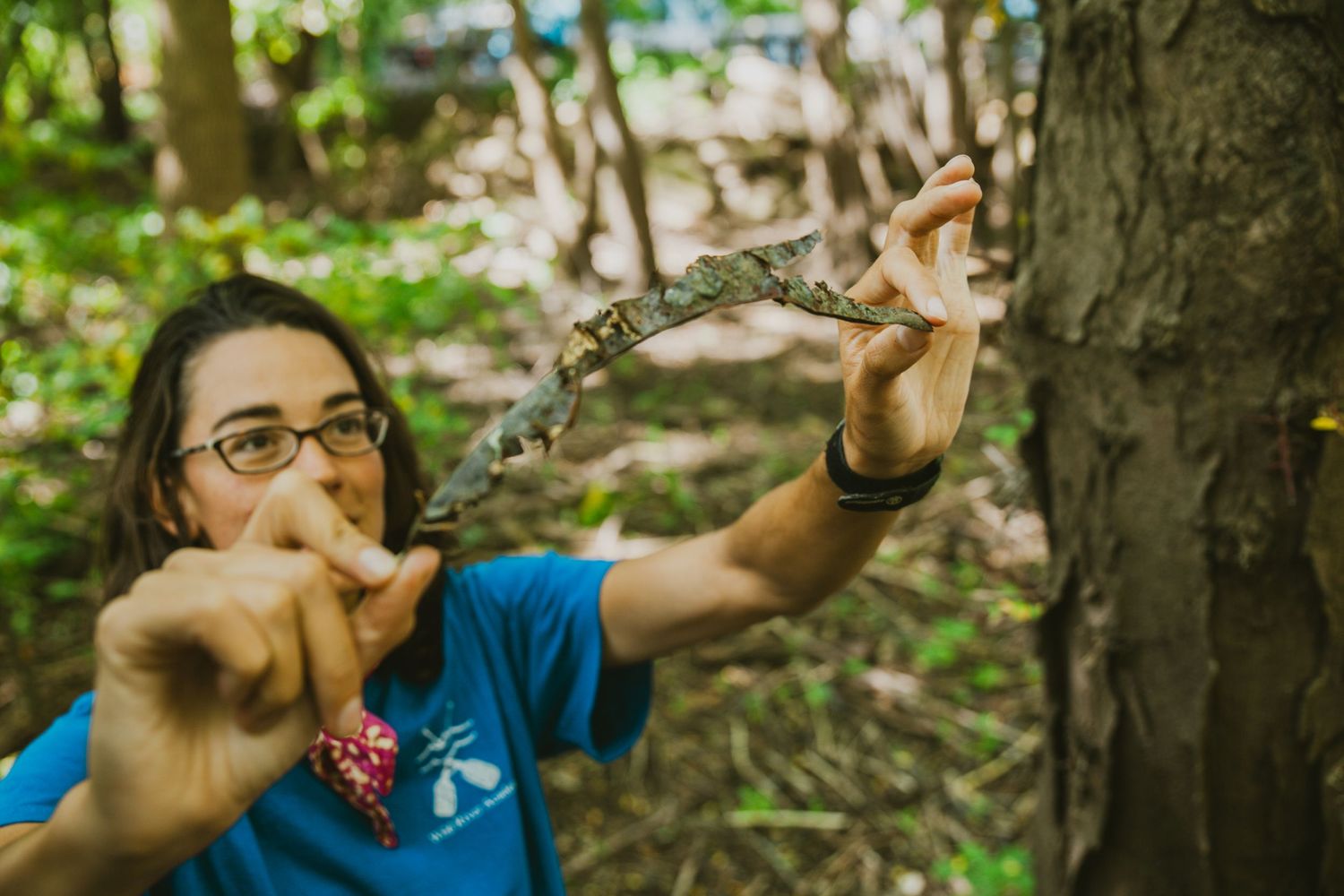
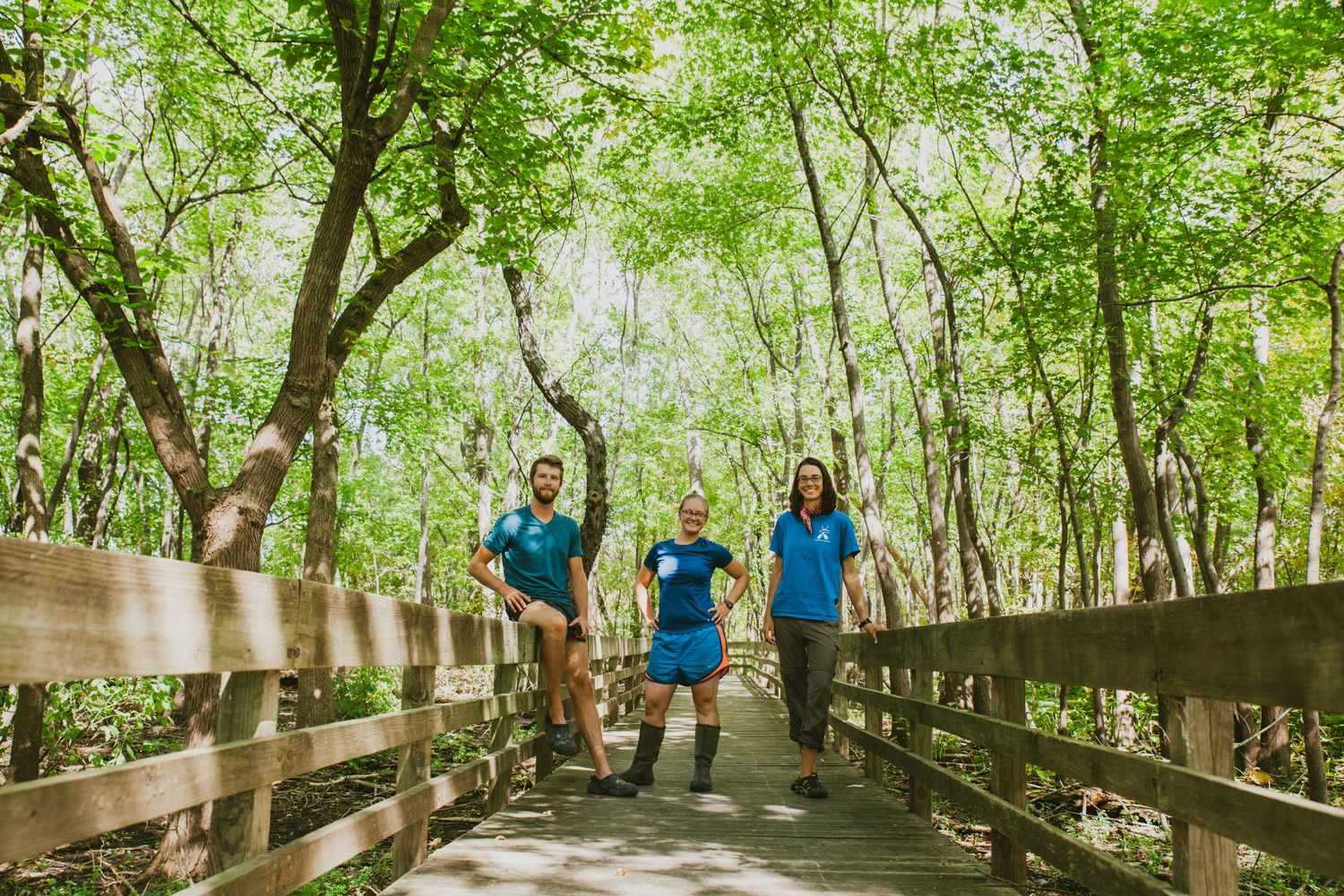
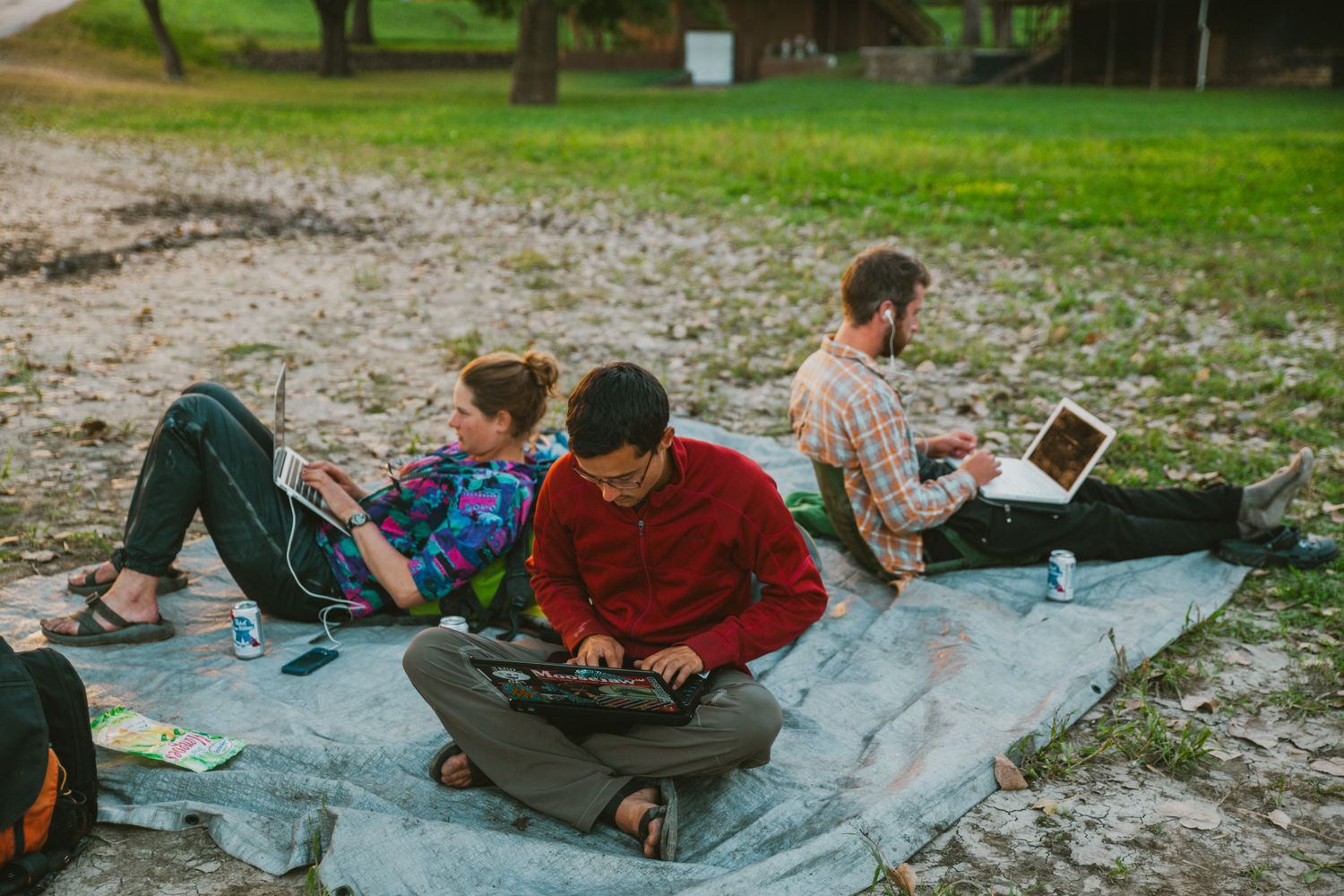
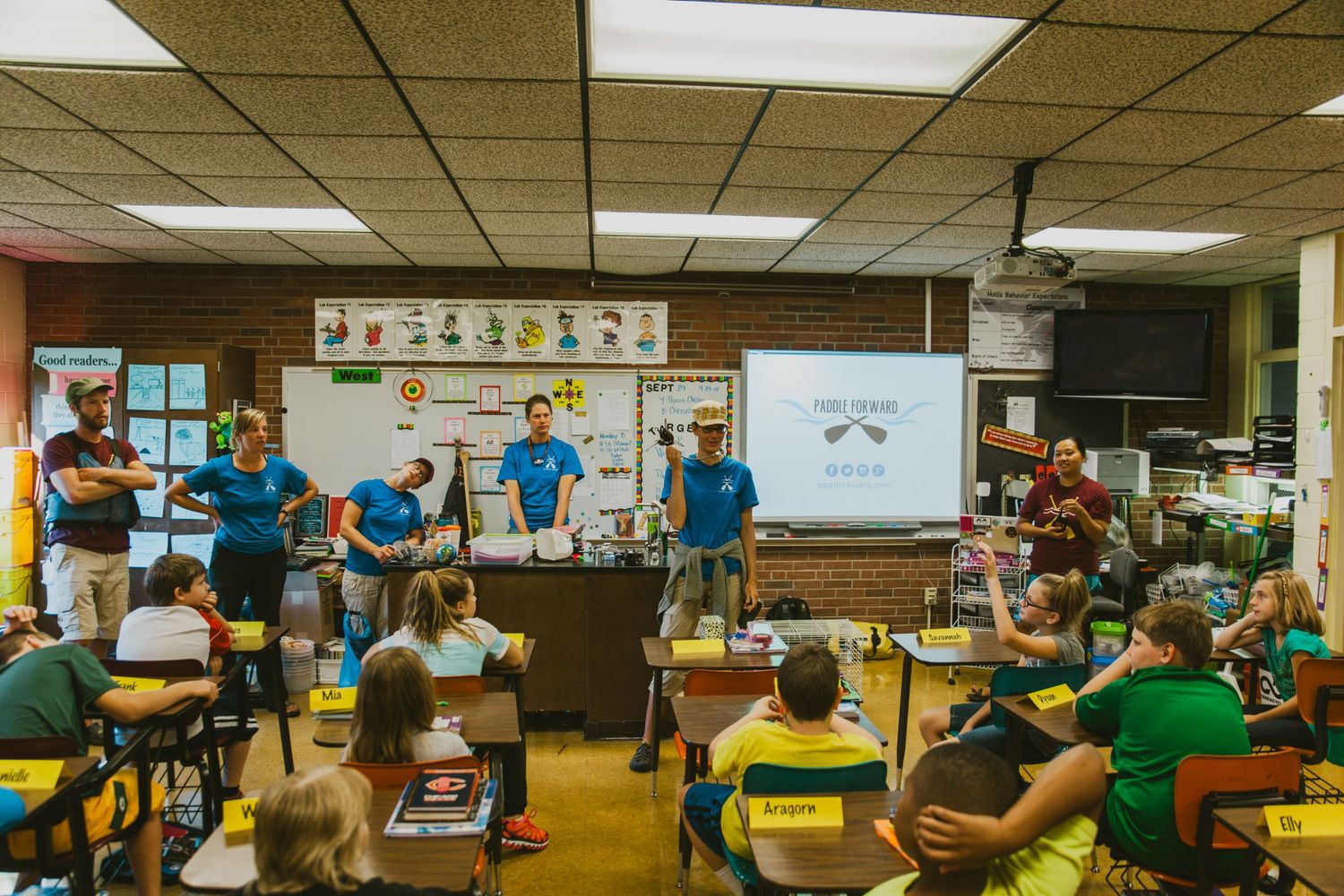
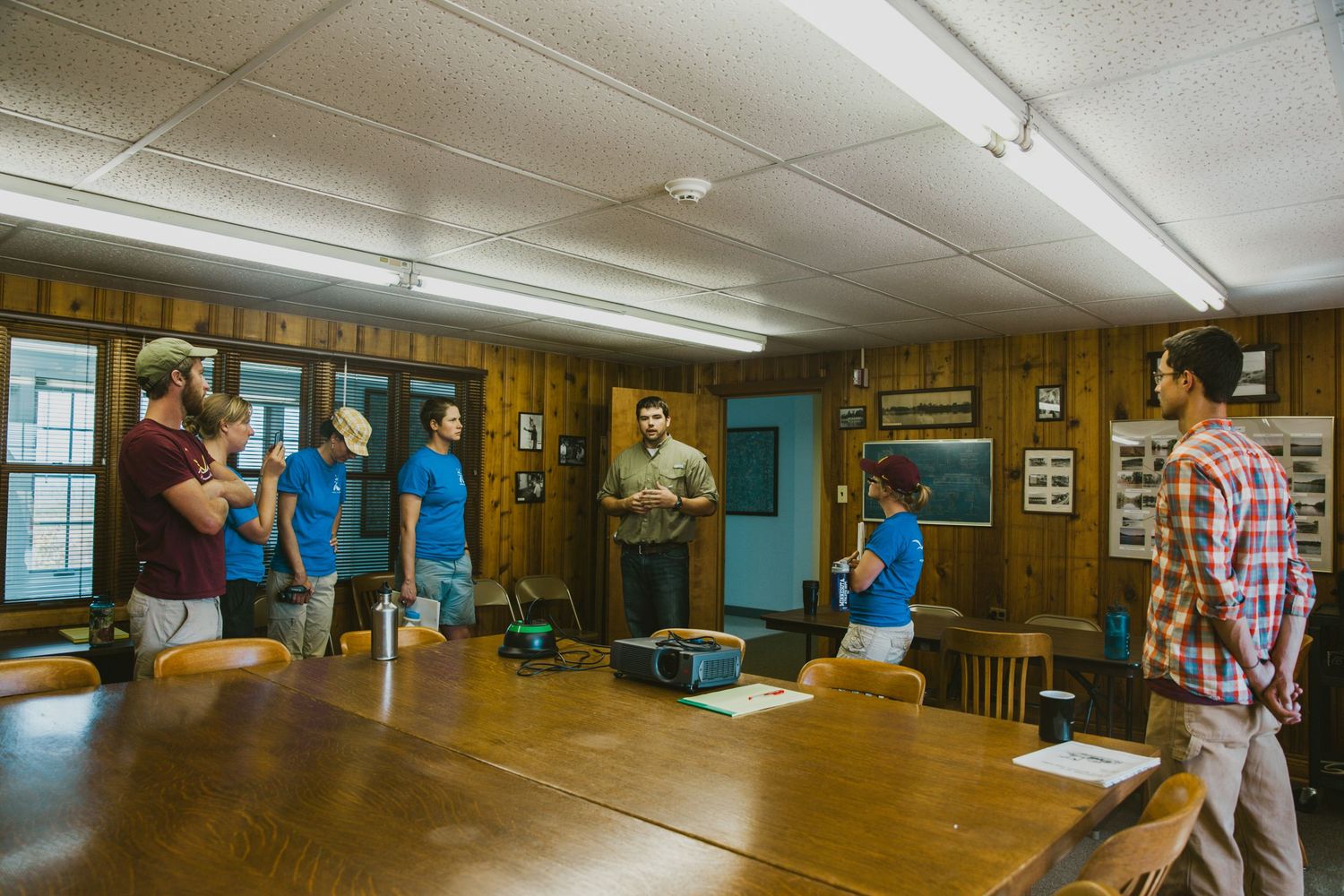
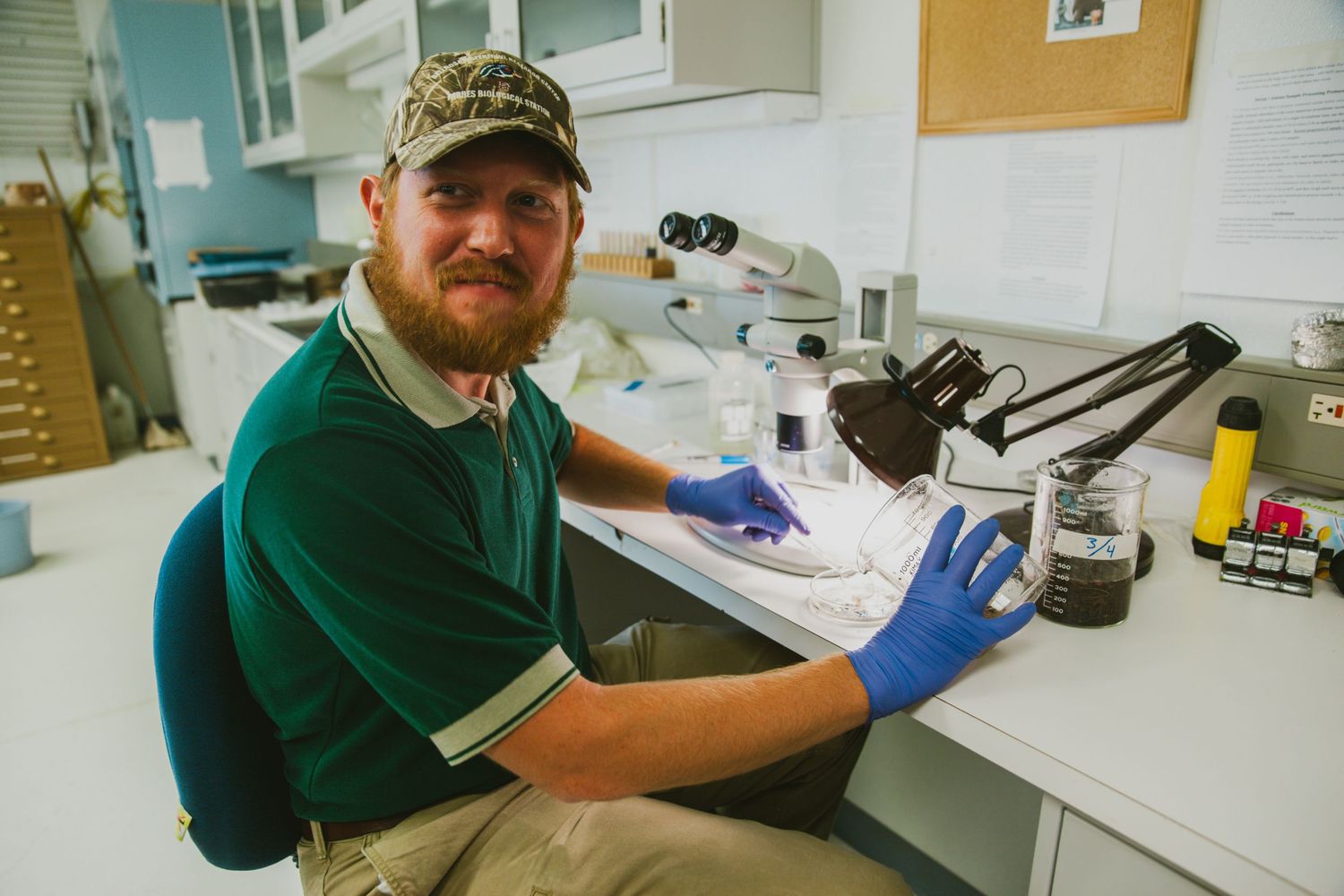
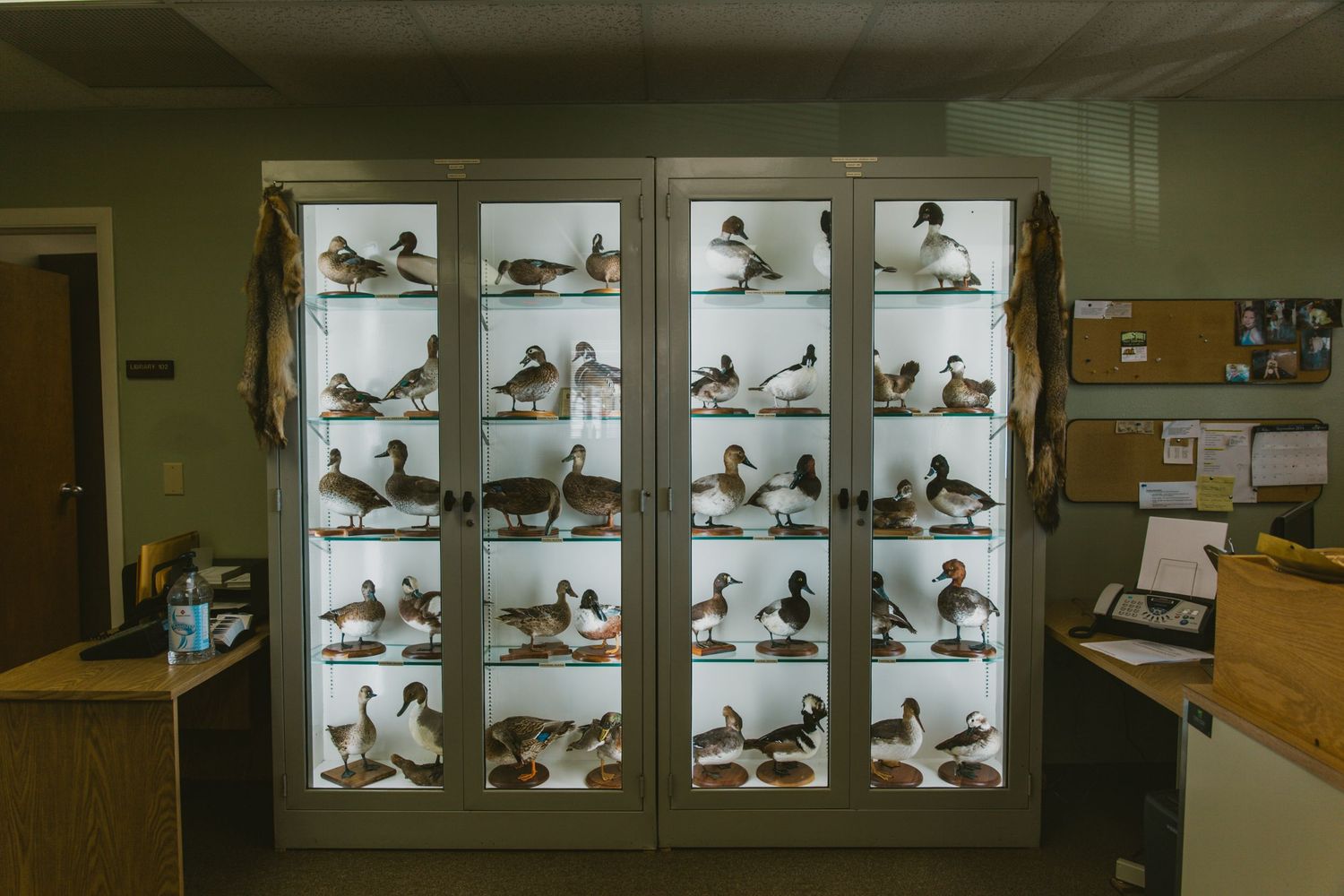
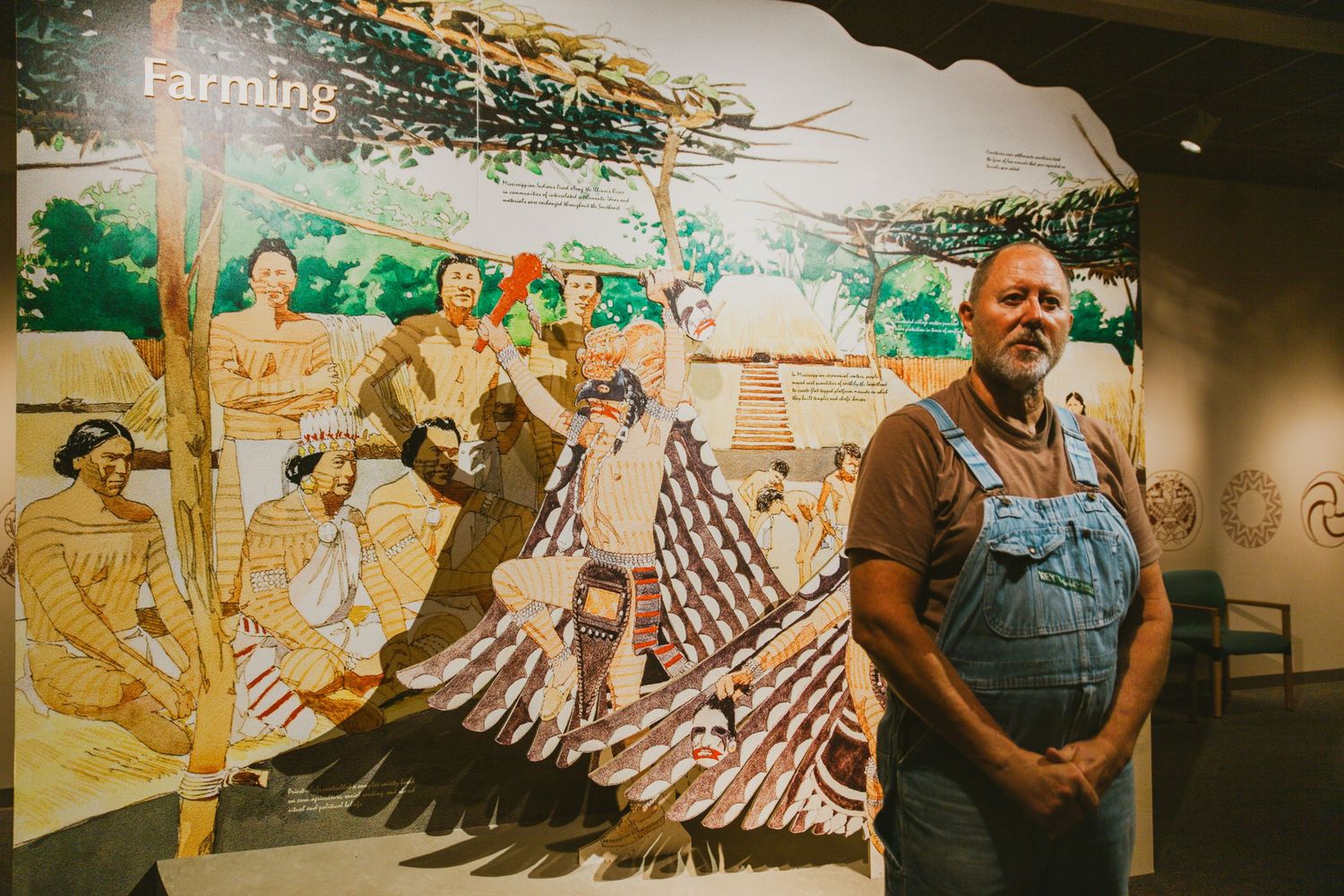
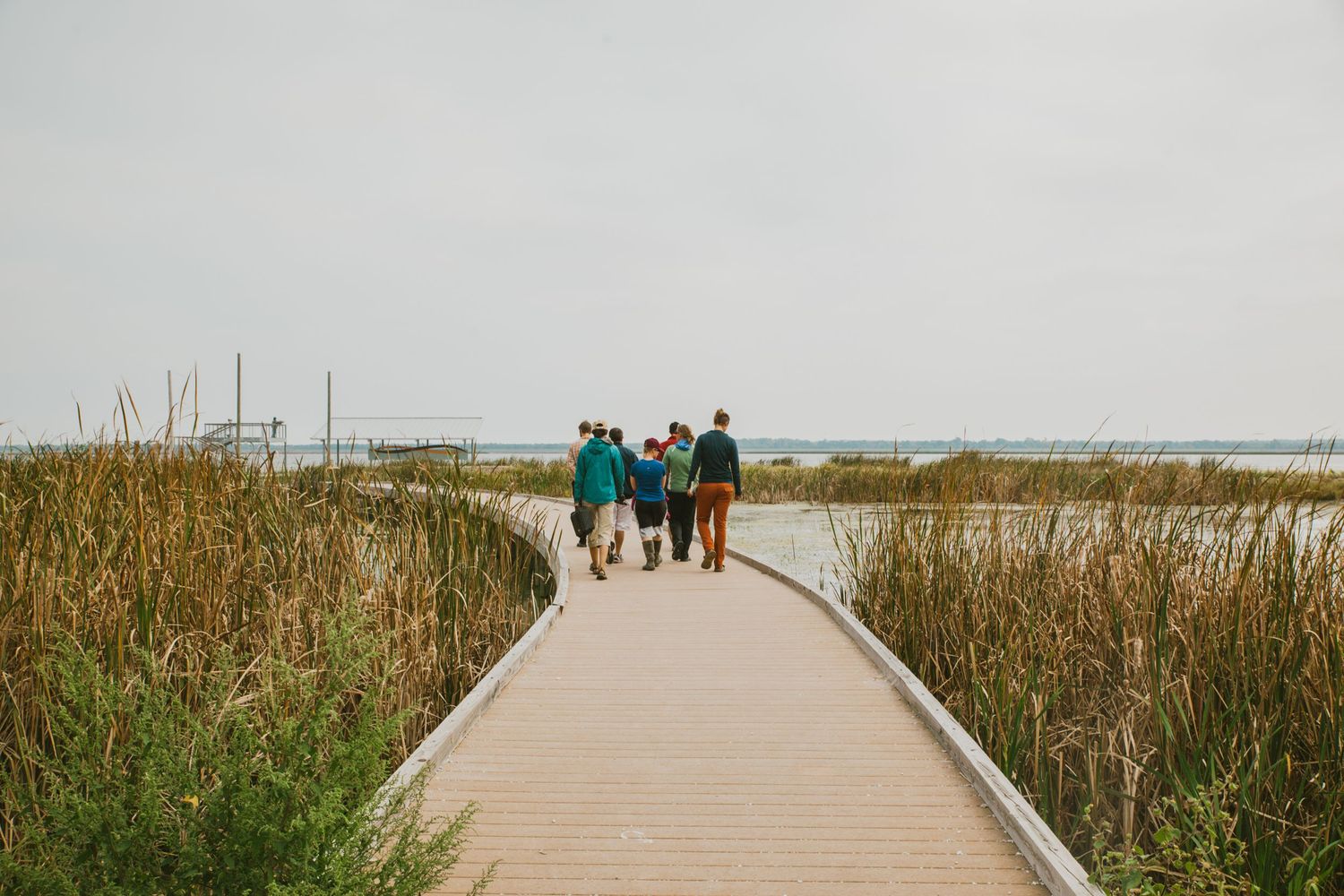
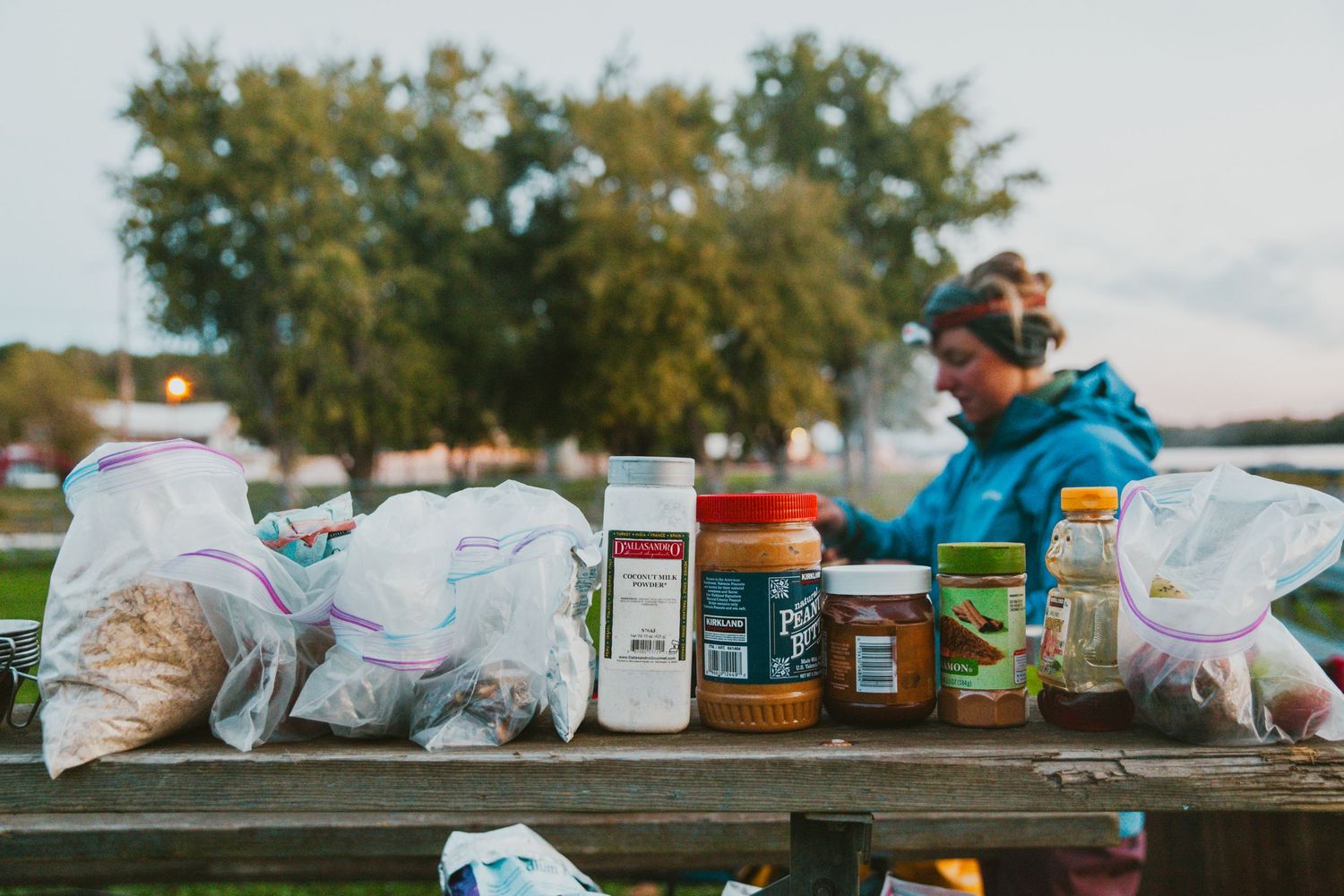
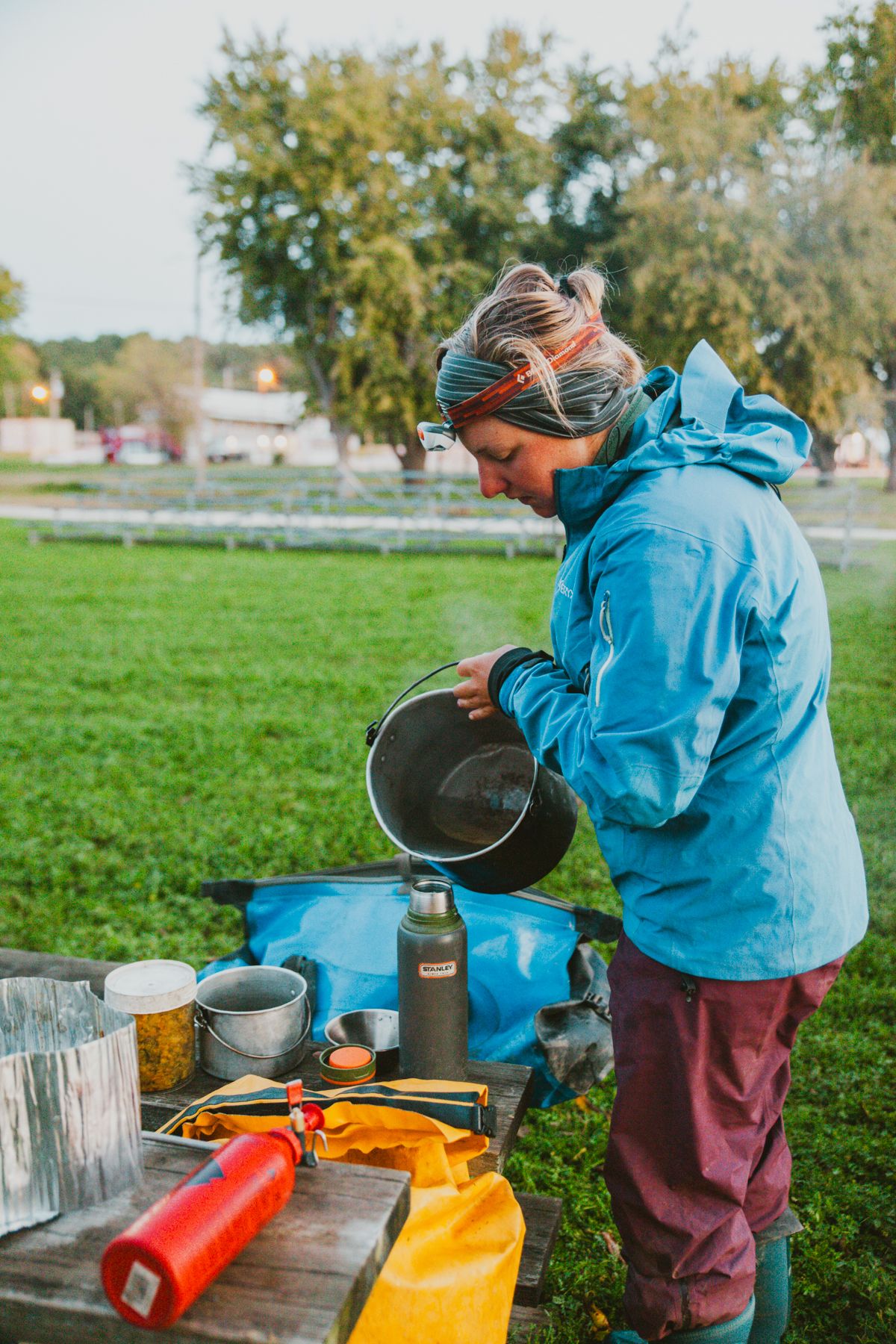
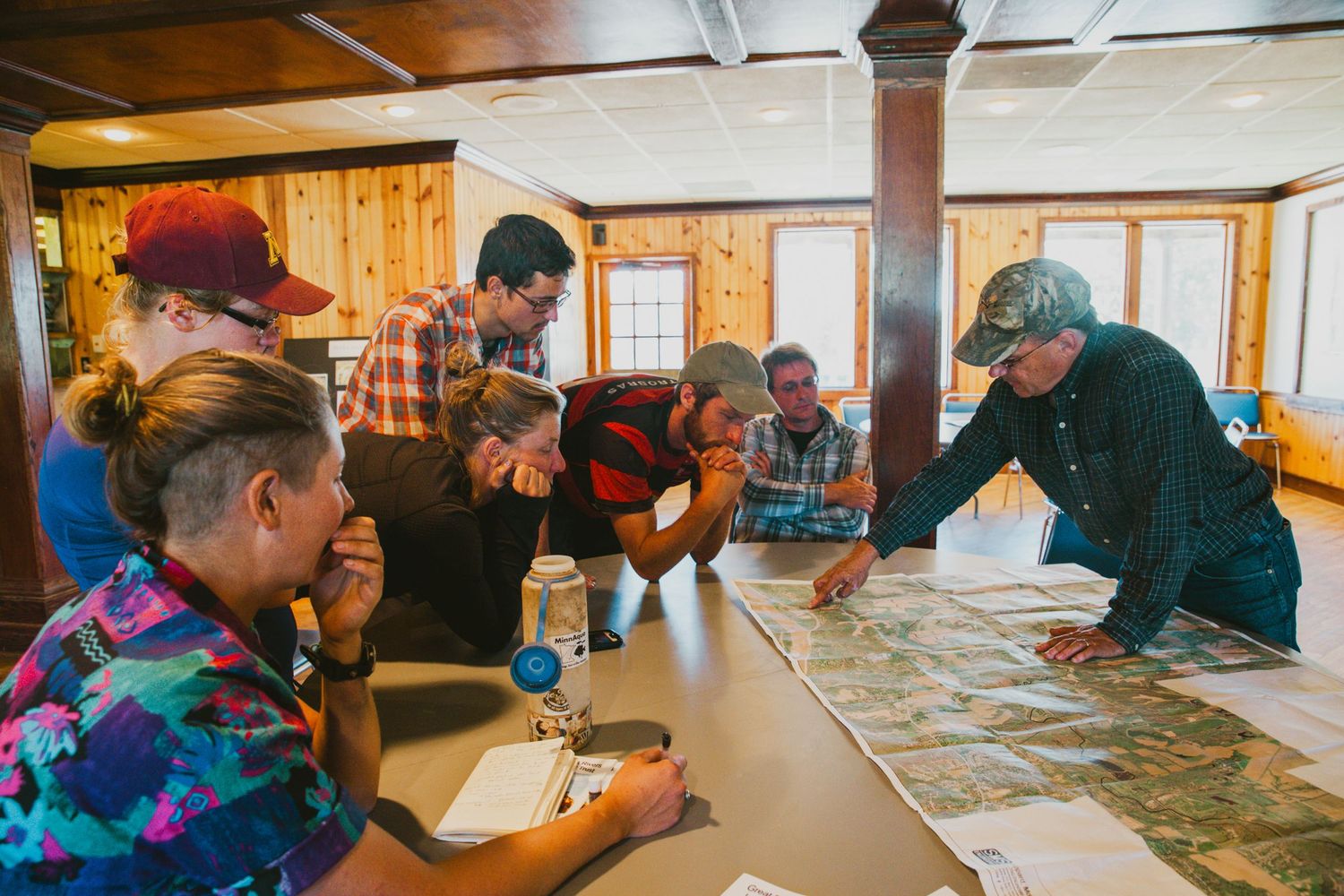
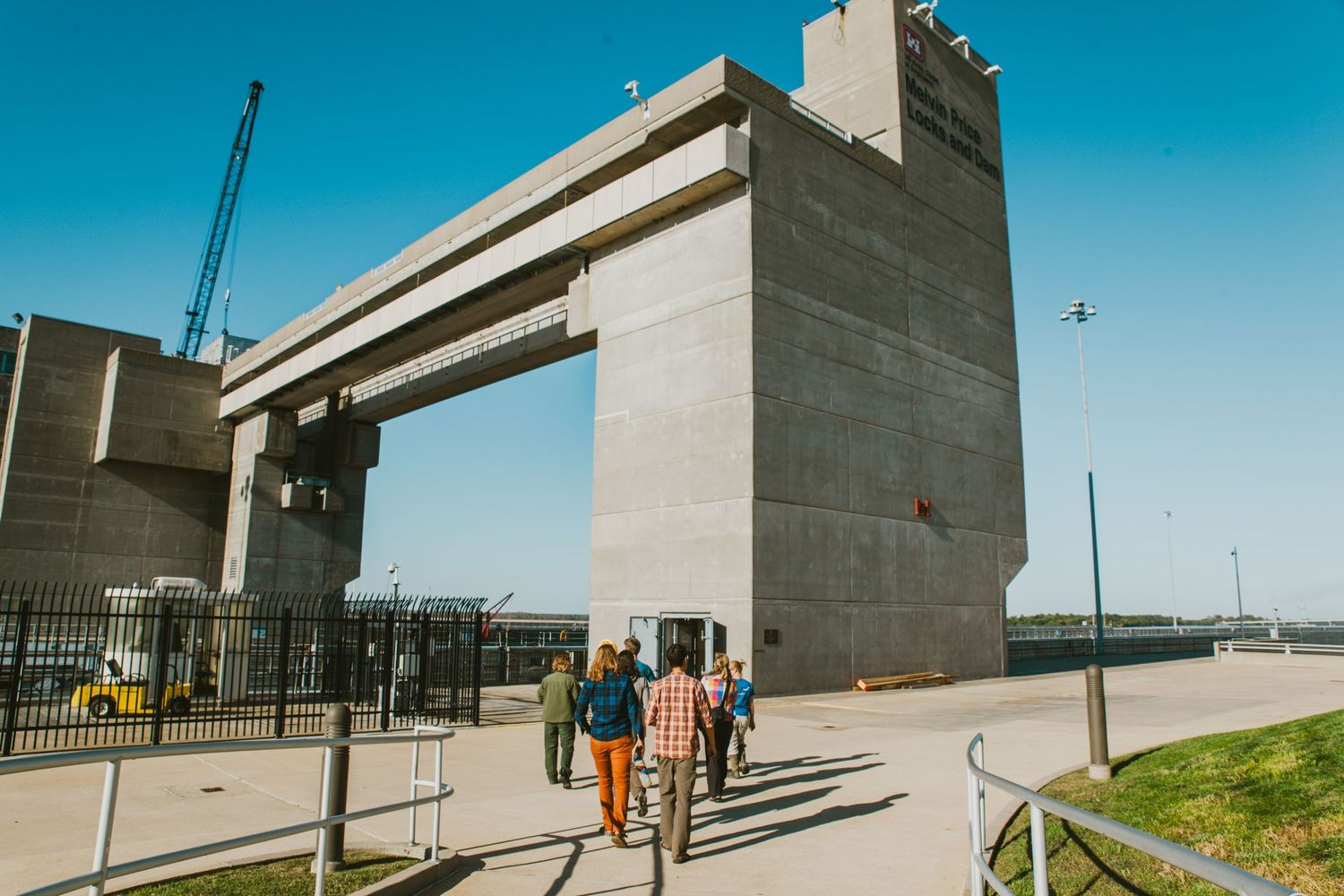
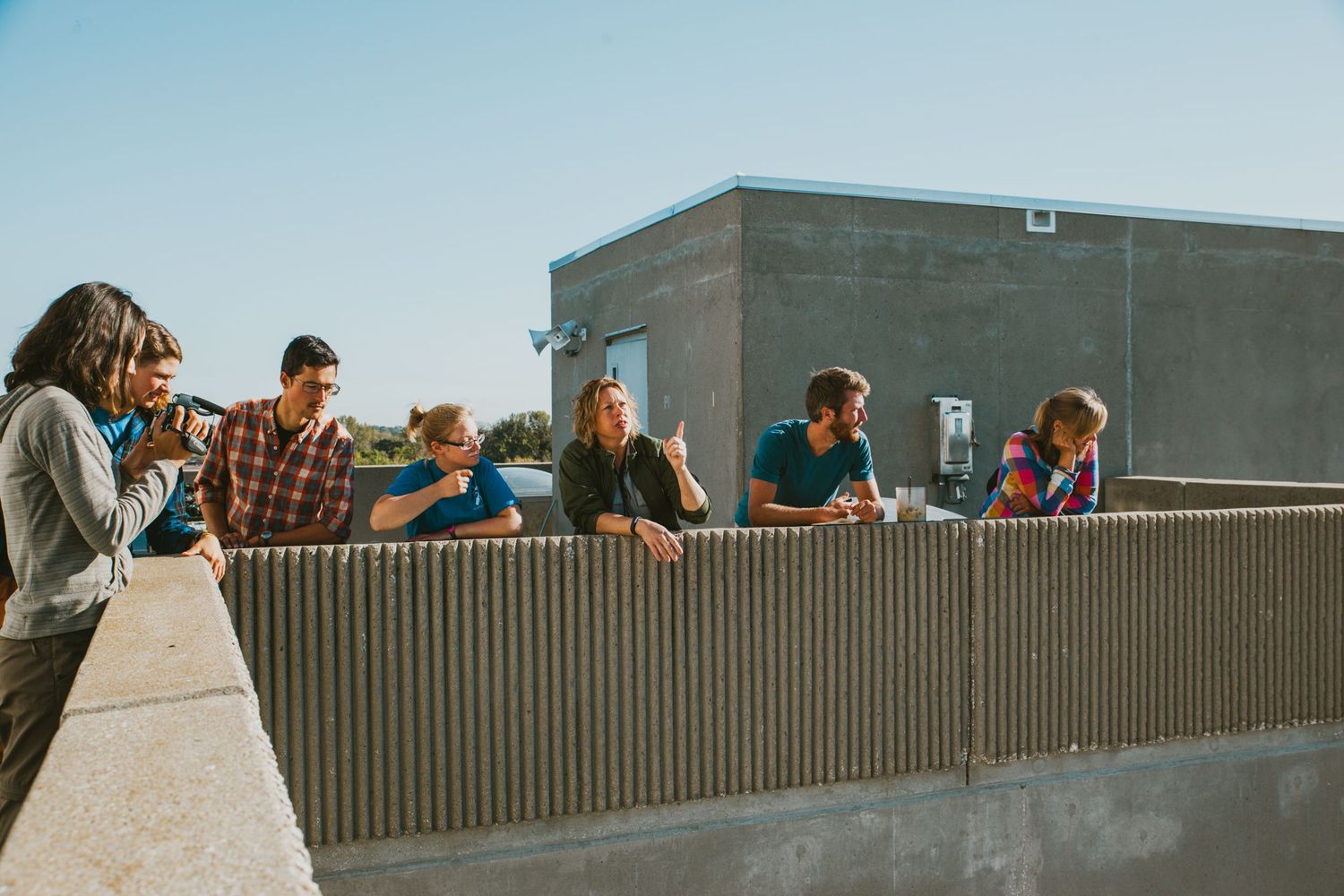
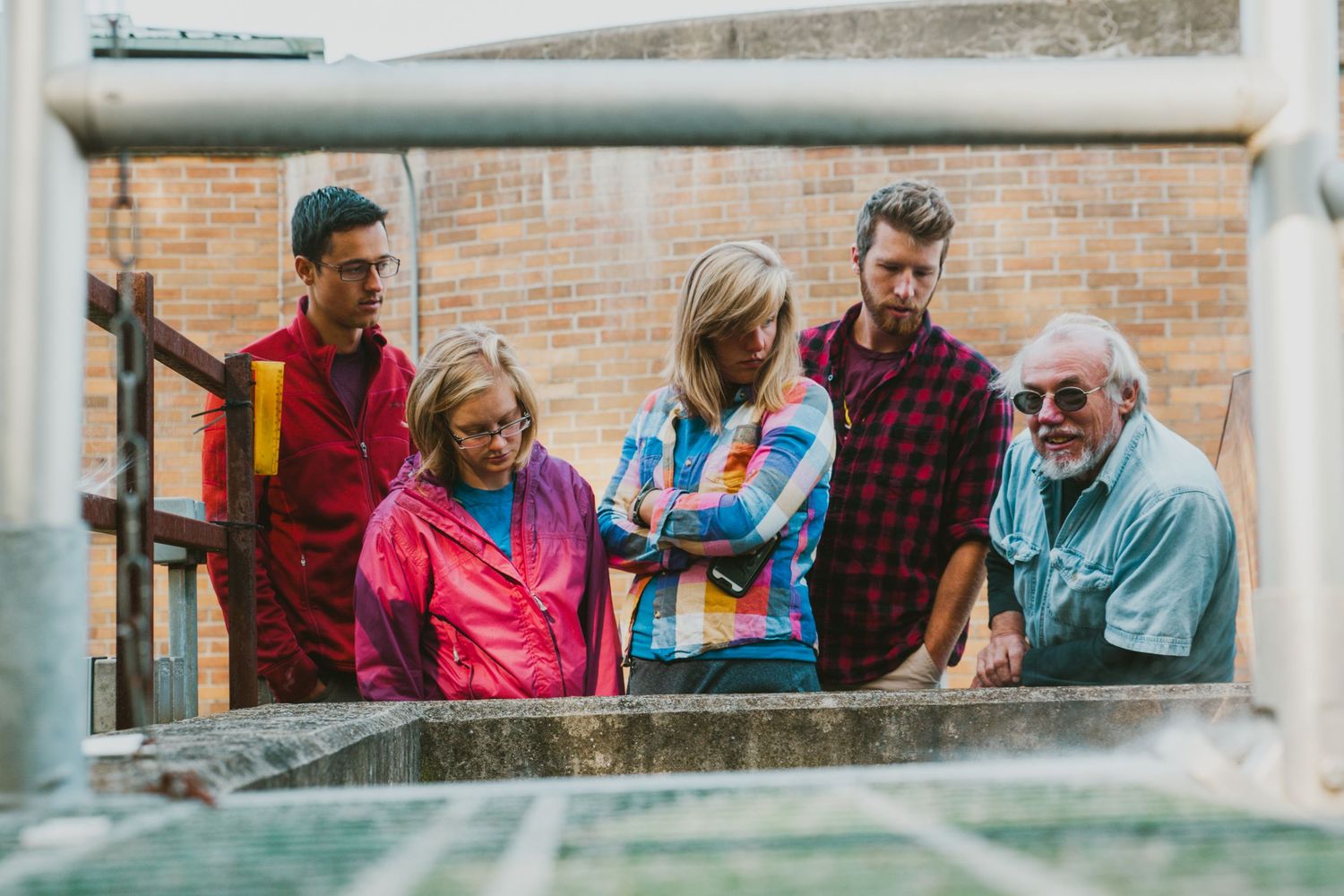
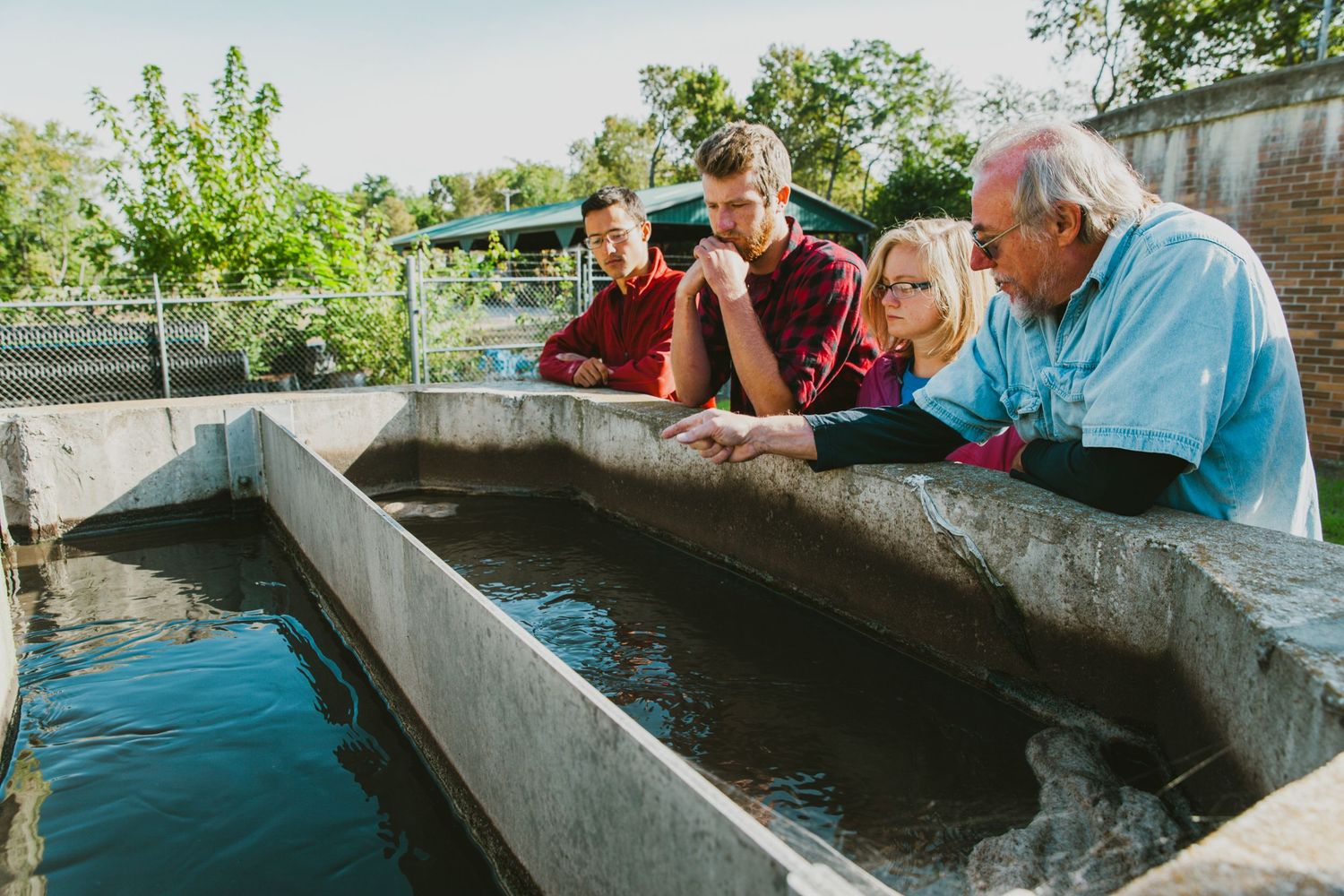
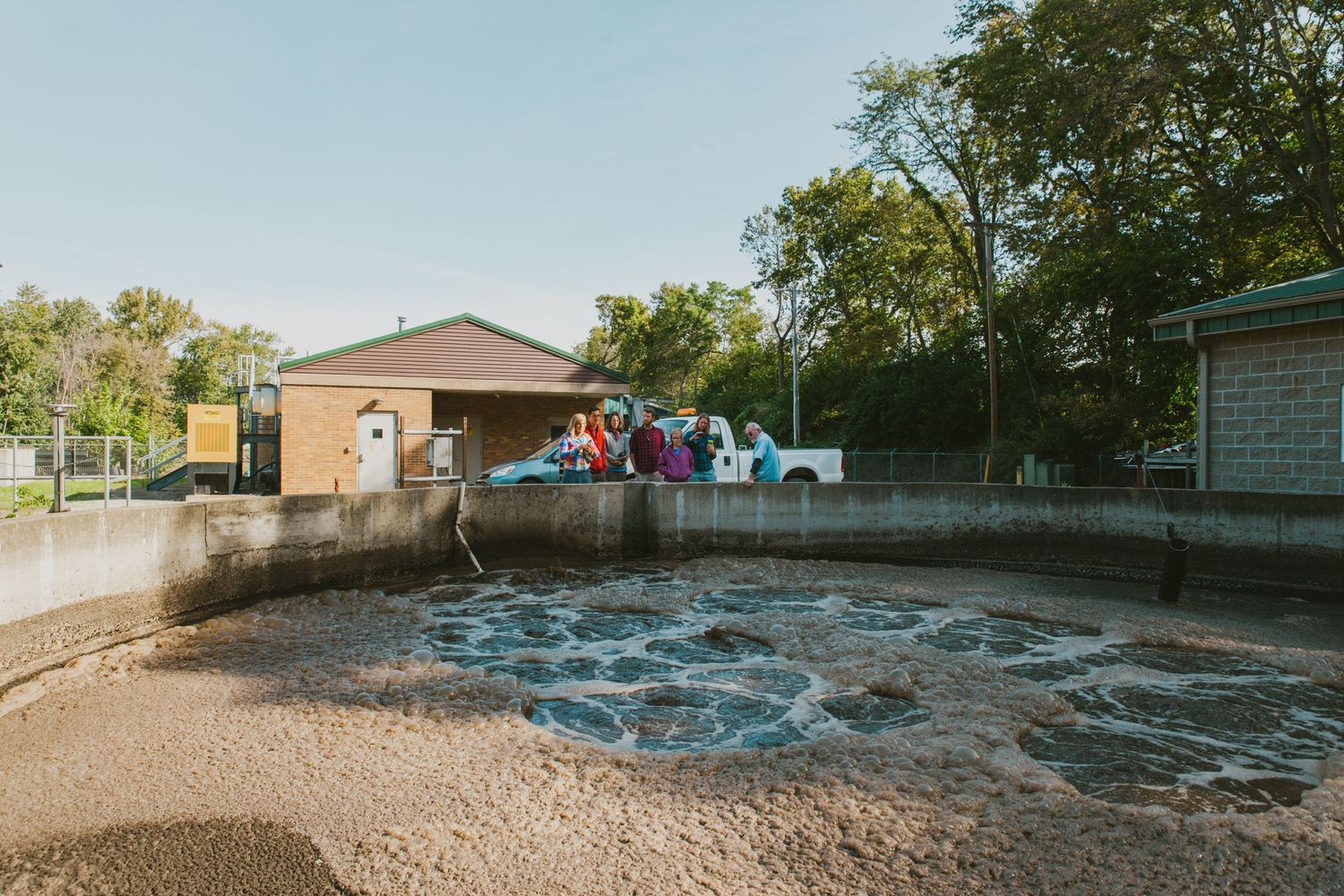
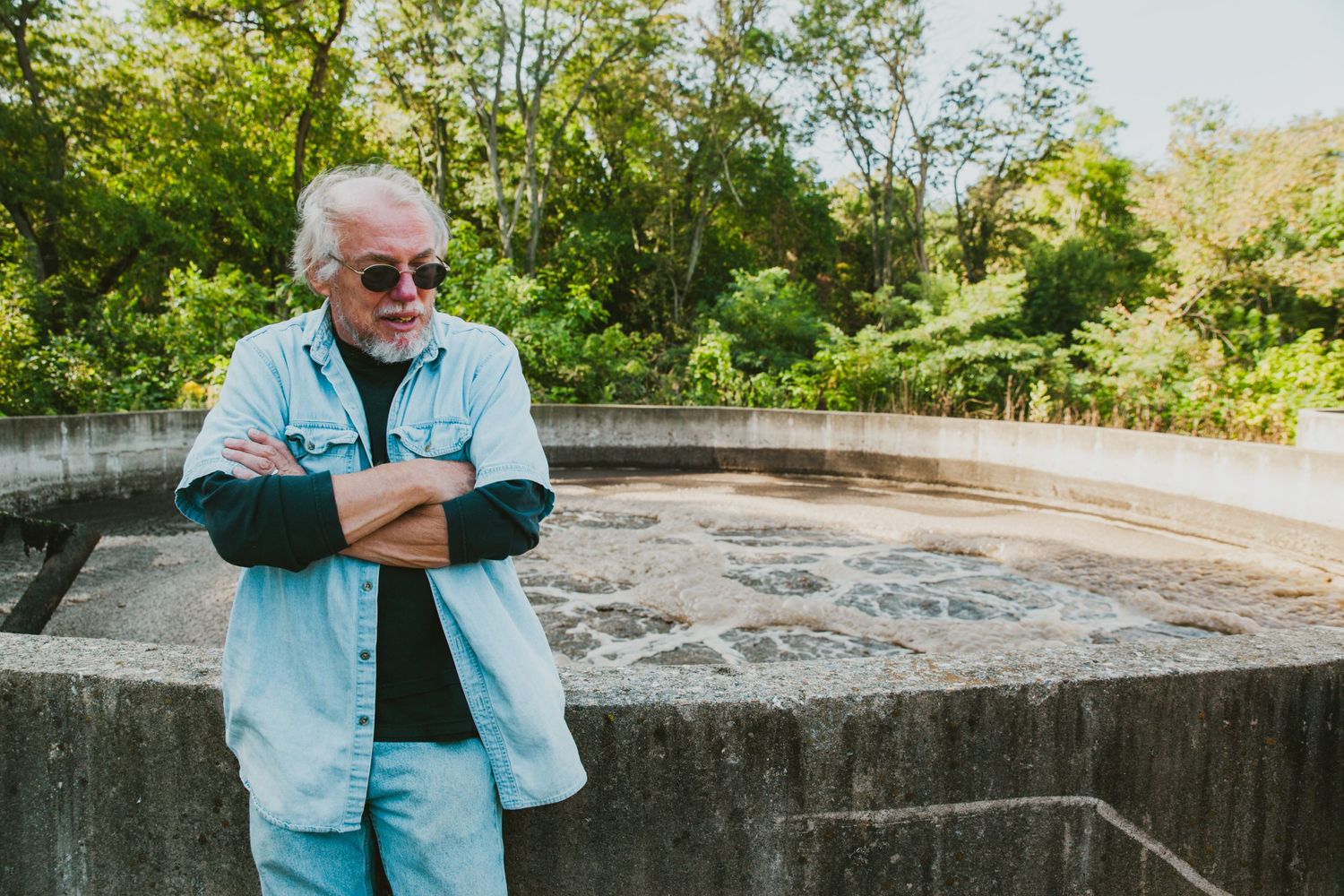
Along the way, we visited schools, wastewater treatment facilities, Superfund sites, ecological research labs, museums, and community organizations. Each stop offered a different perspective on the river and the people connected to it. The experience deepened my understanding of how waterways reflect our values, choices, and responsibilities to the landscapes we inhabit.
Yukon River
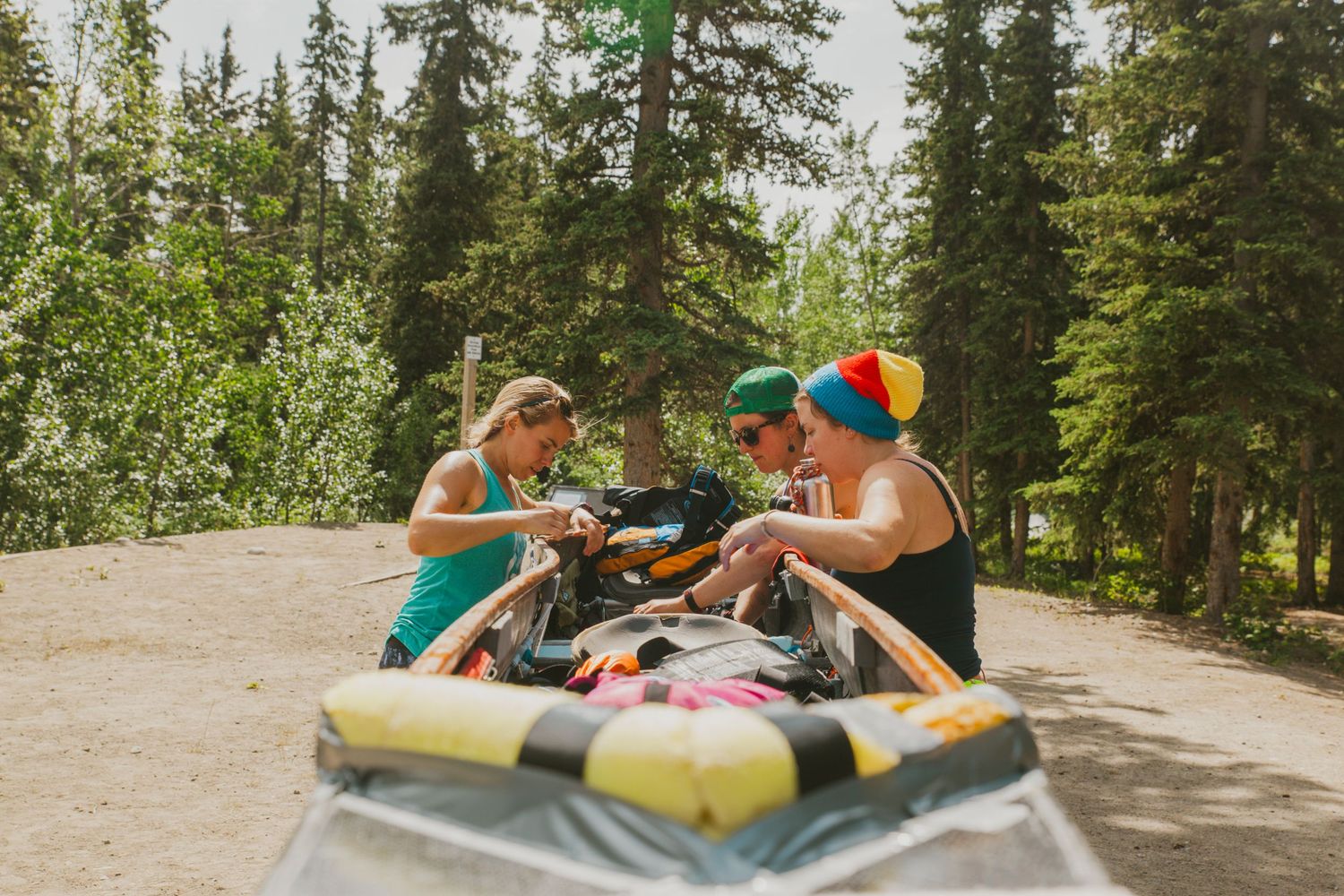
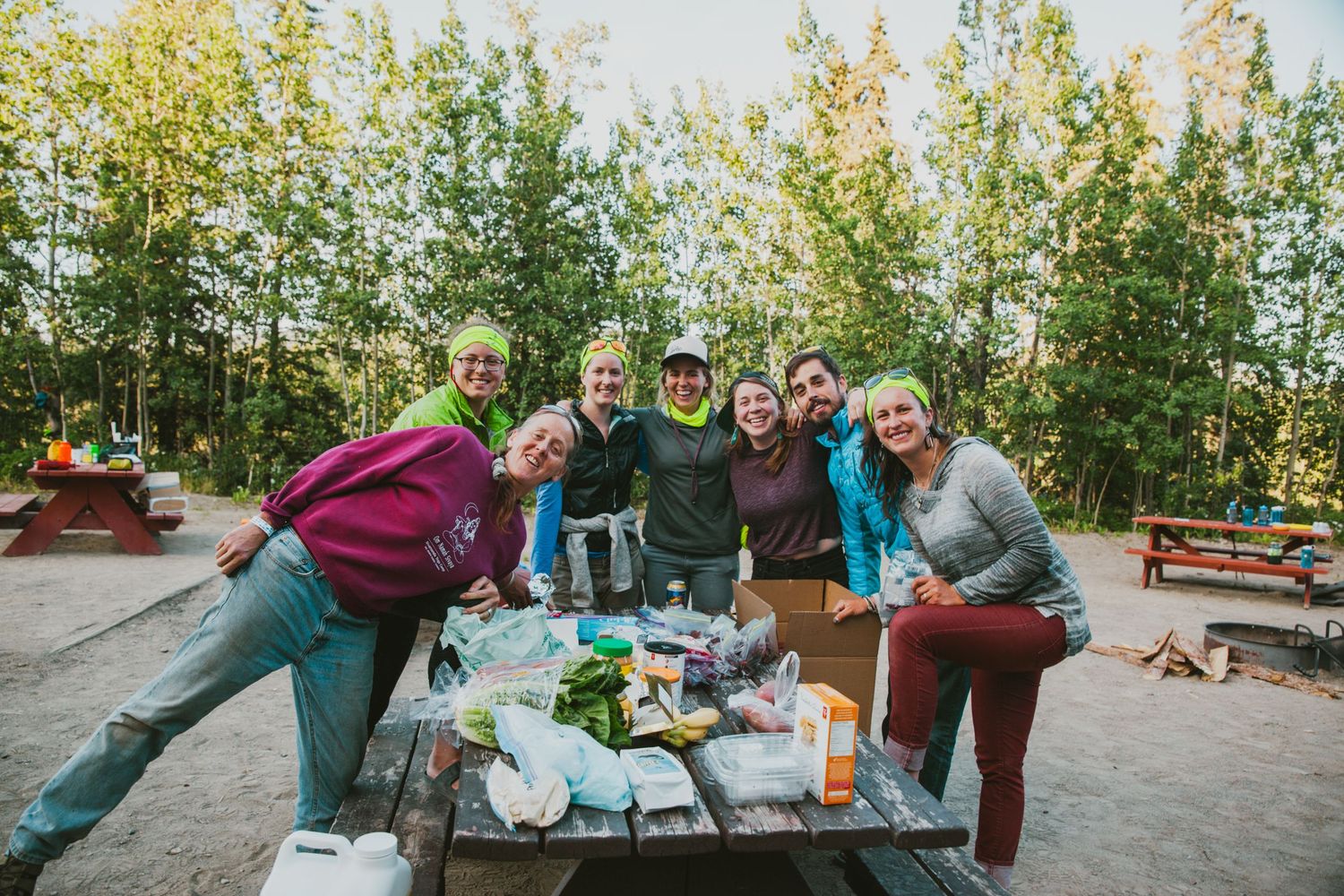
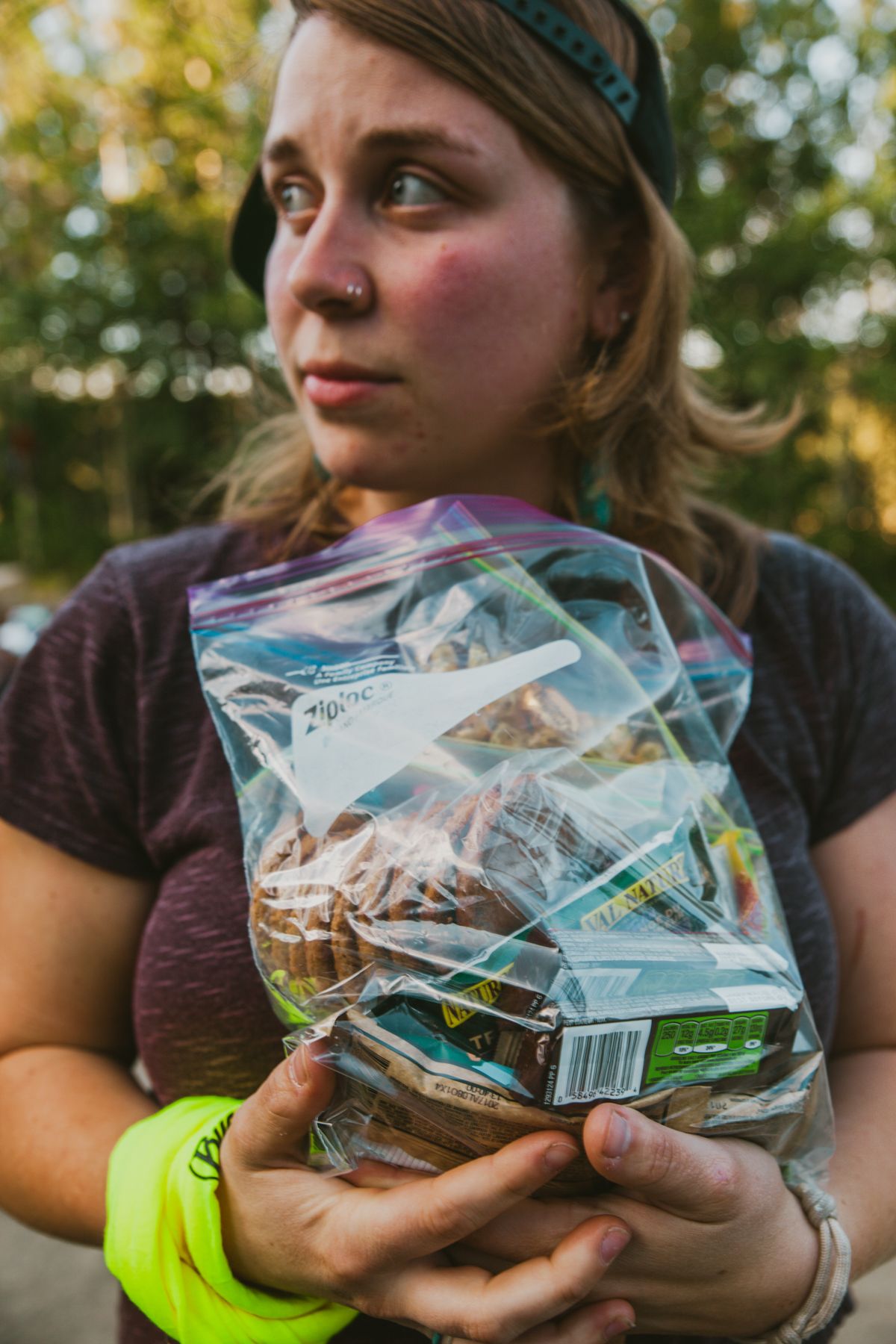
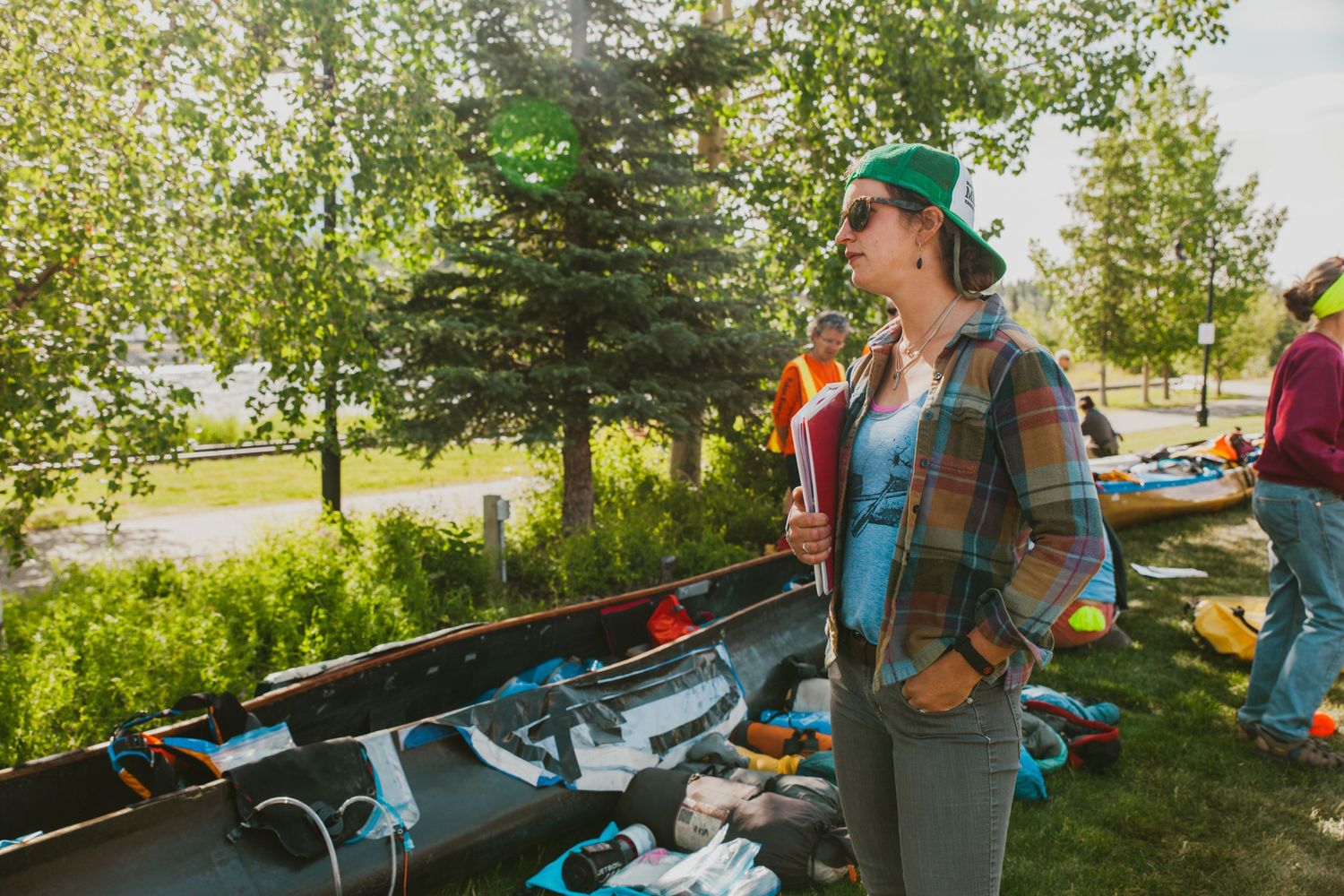
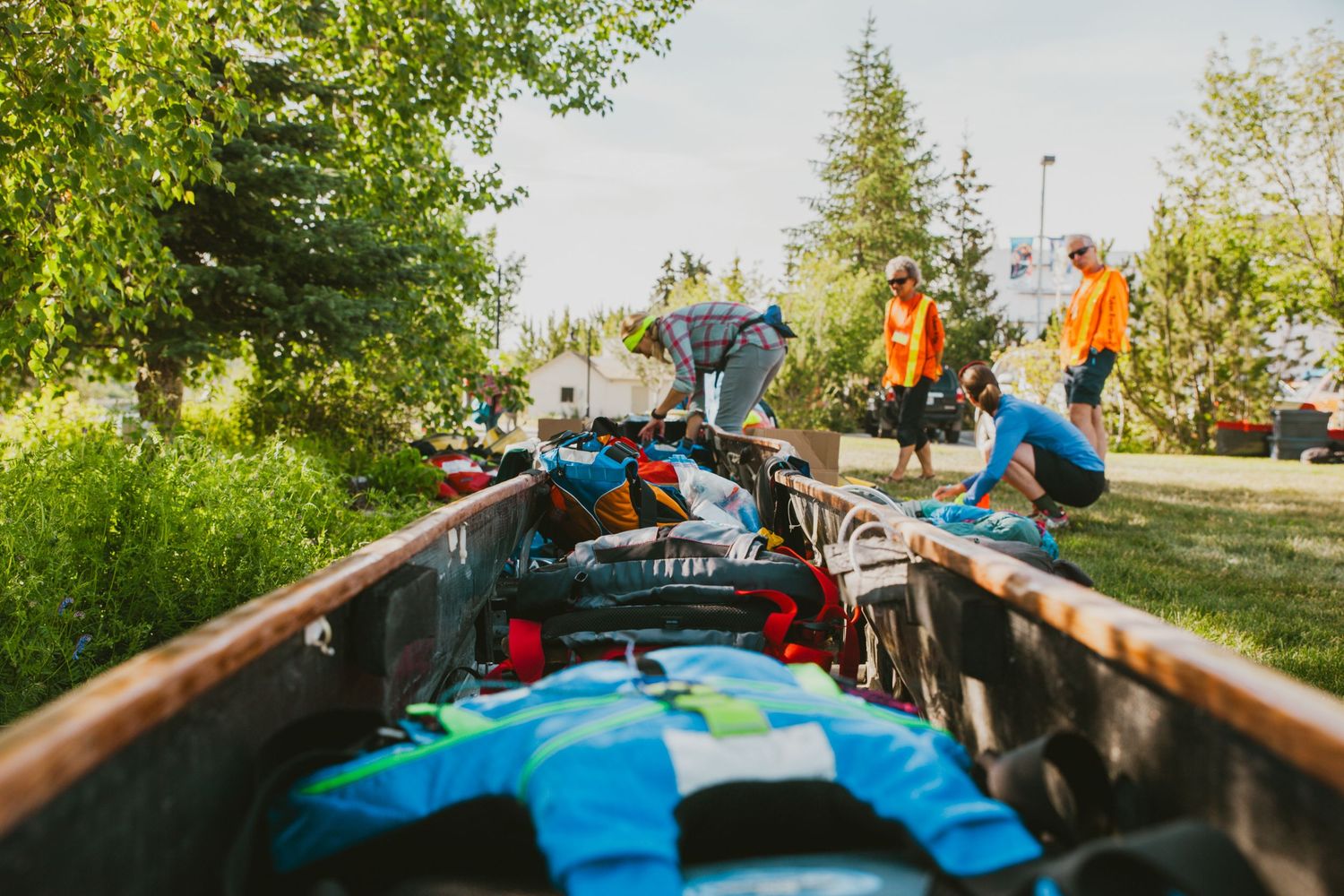
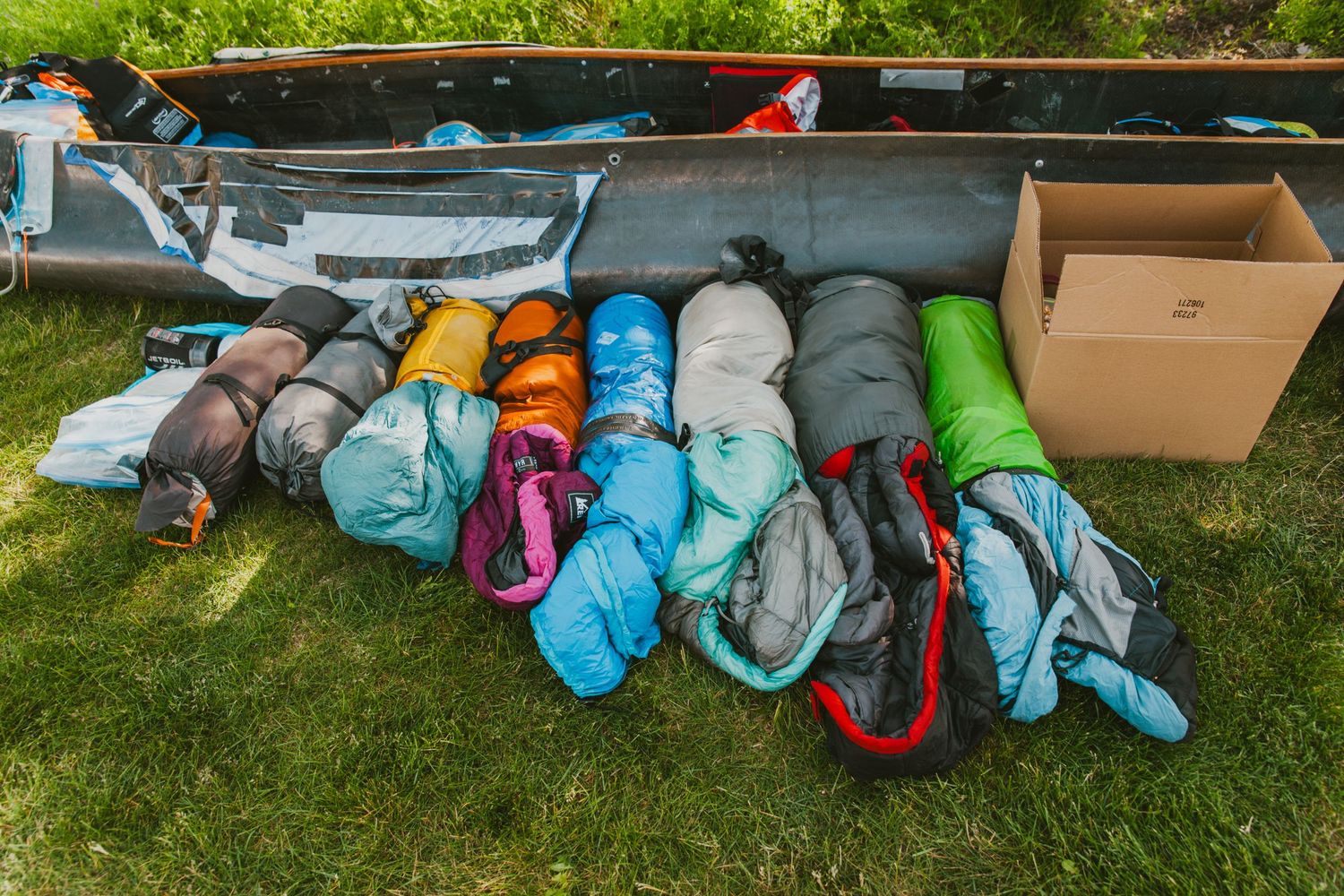
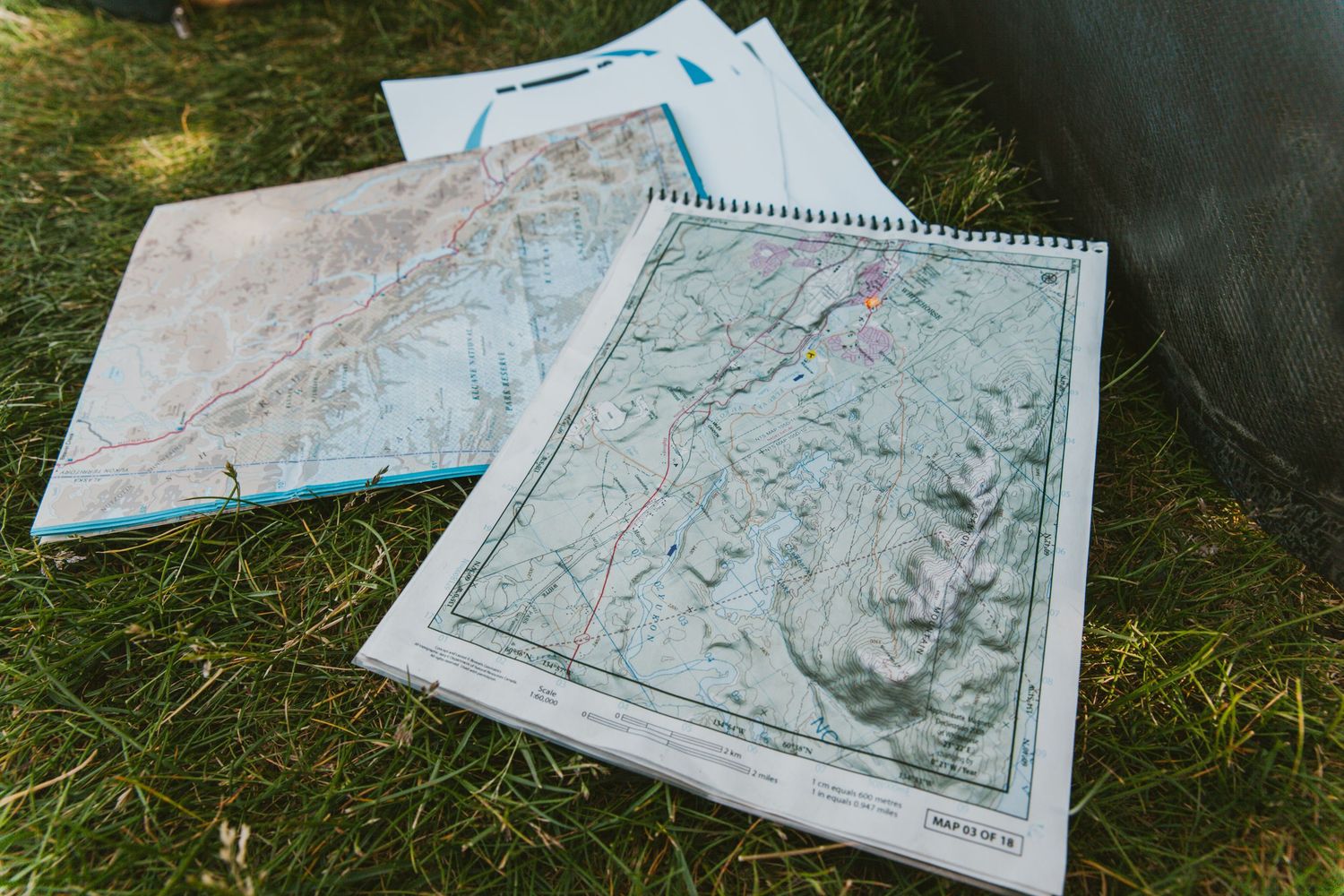
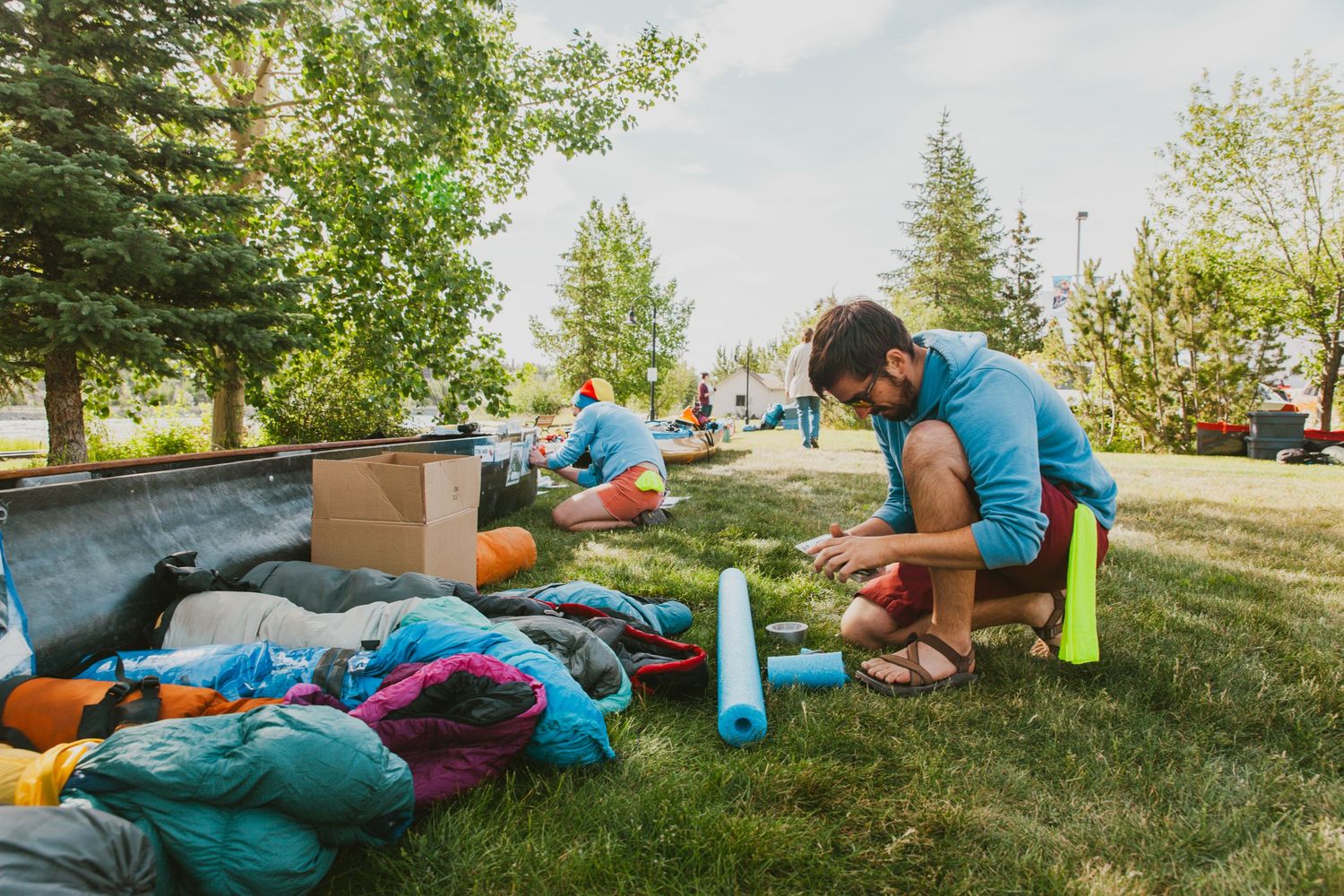
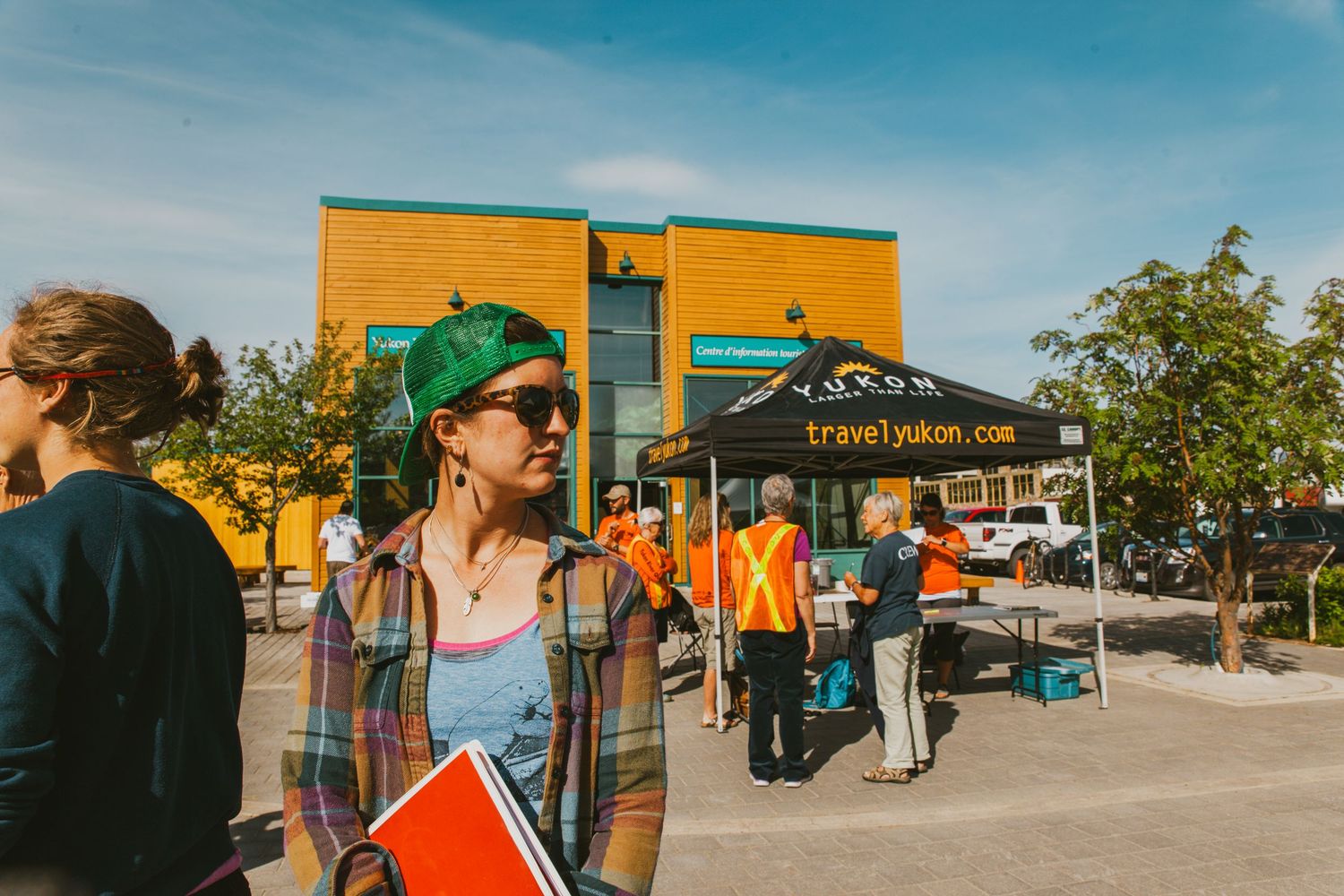
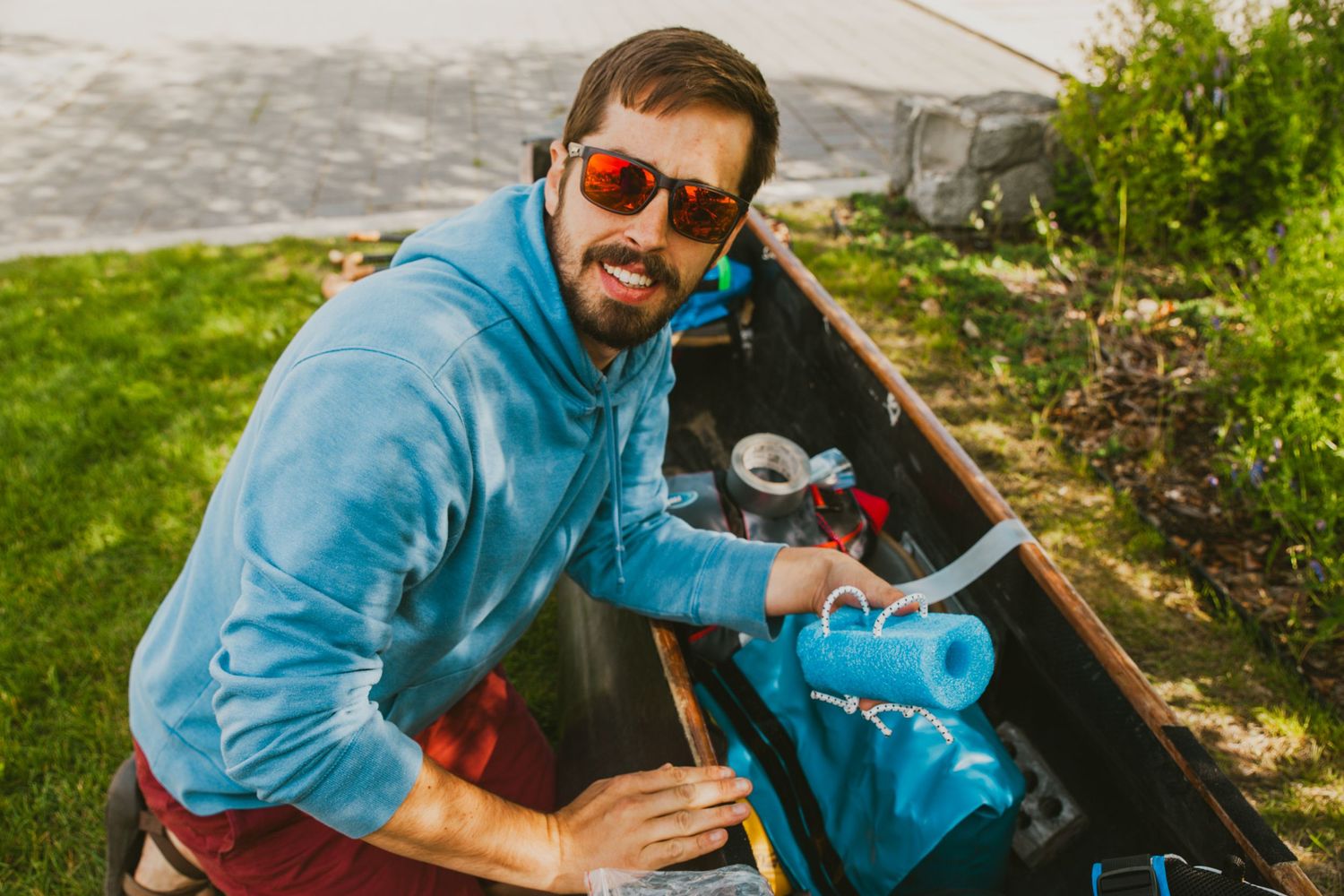
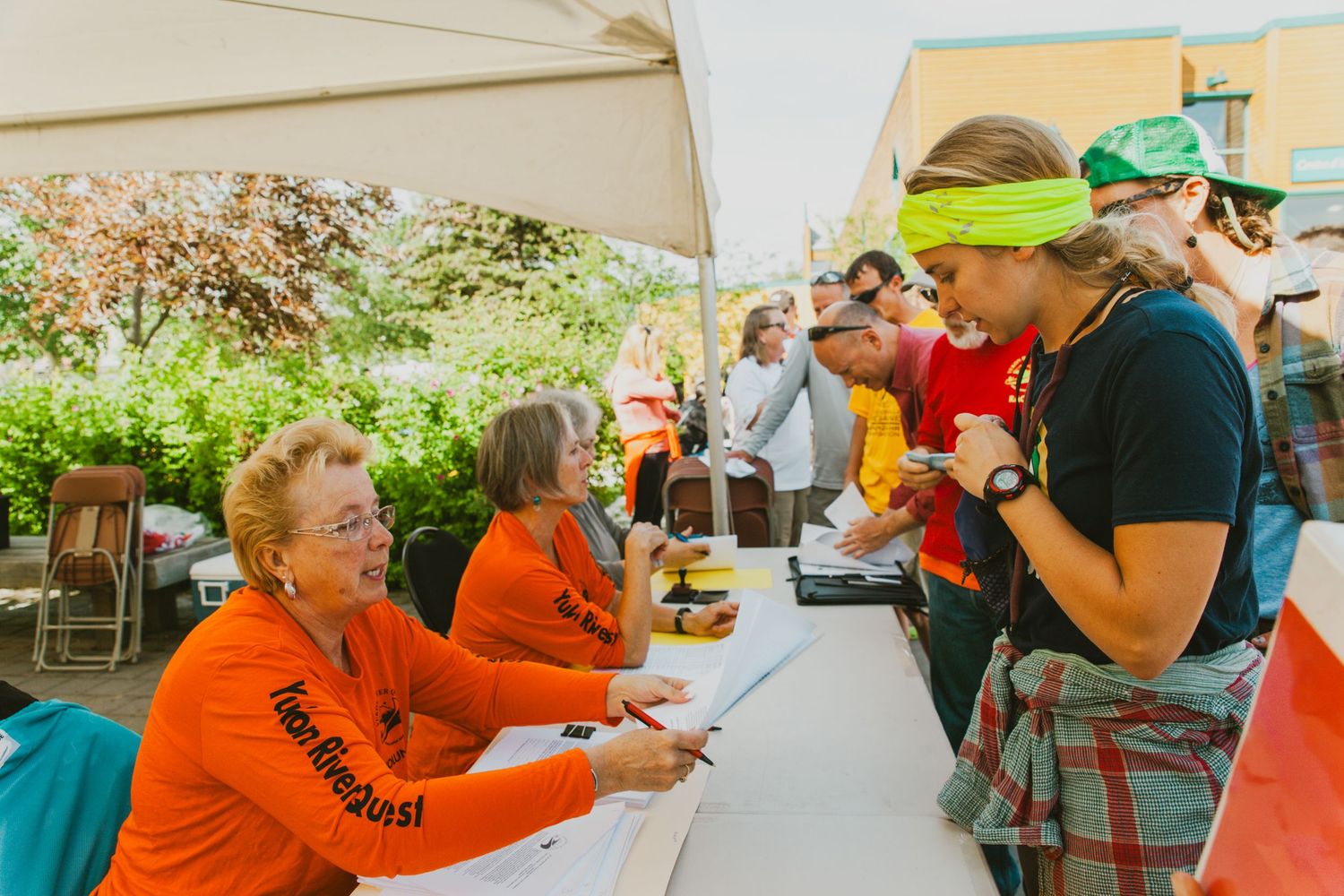
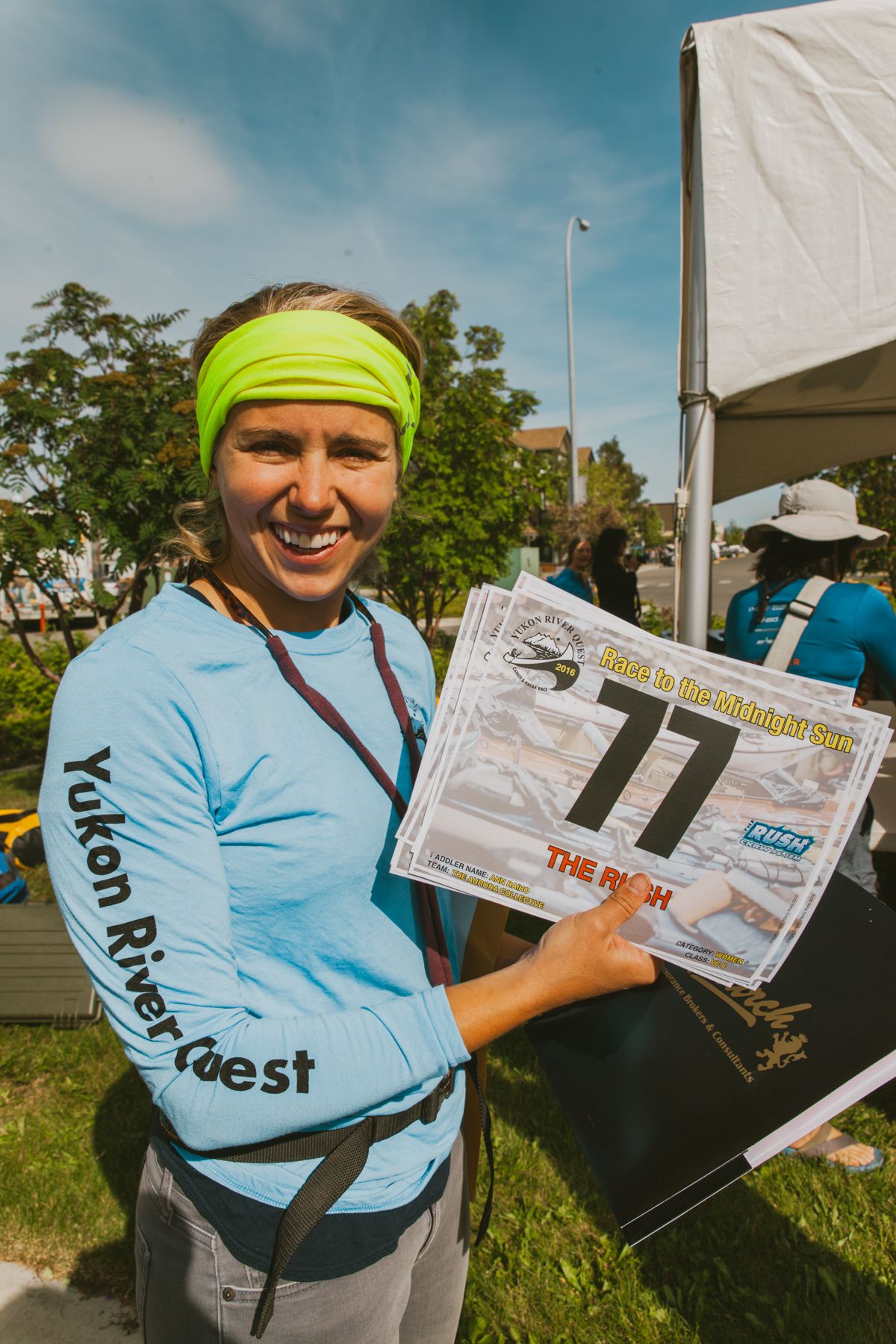
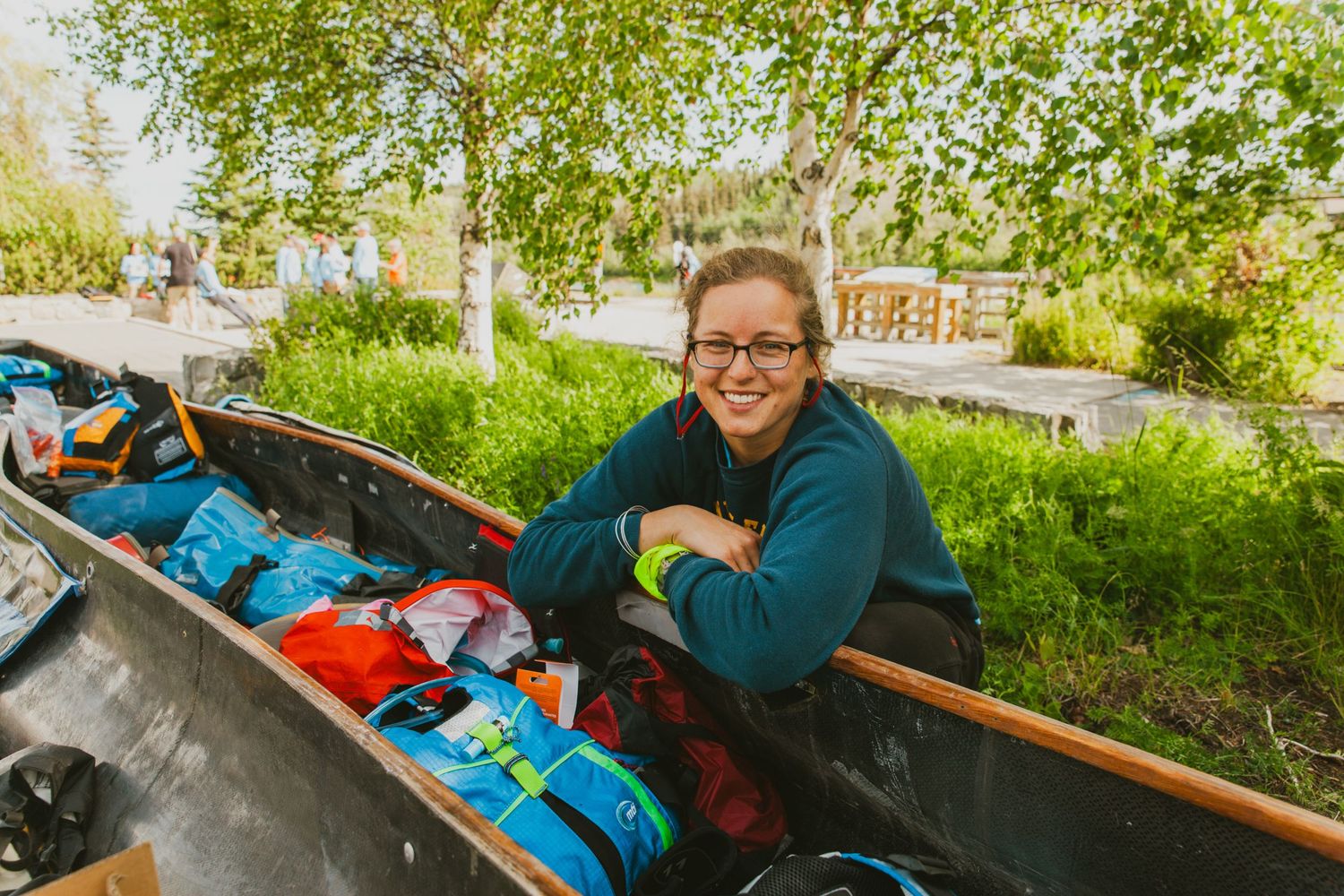
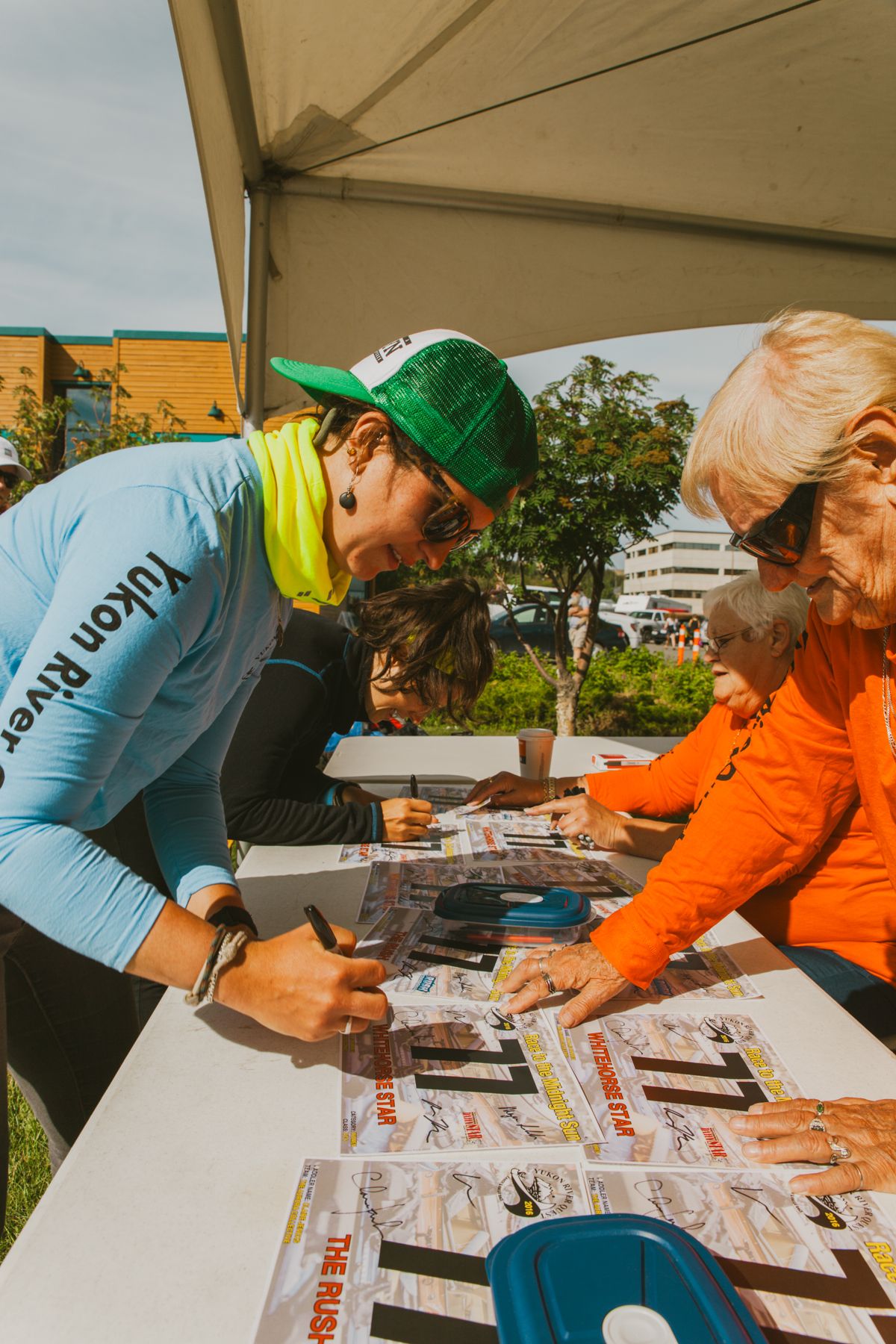
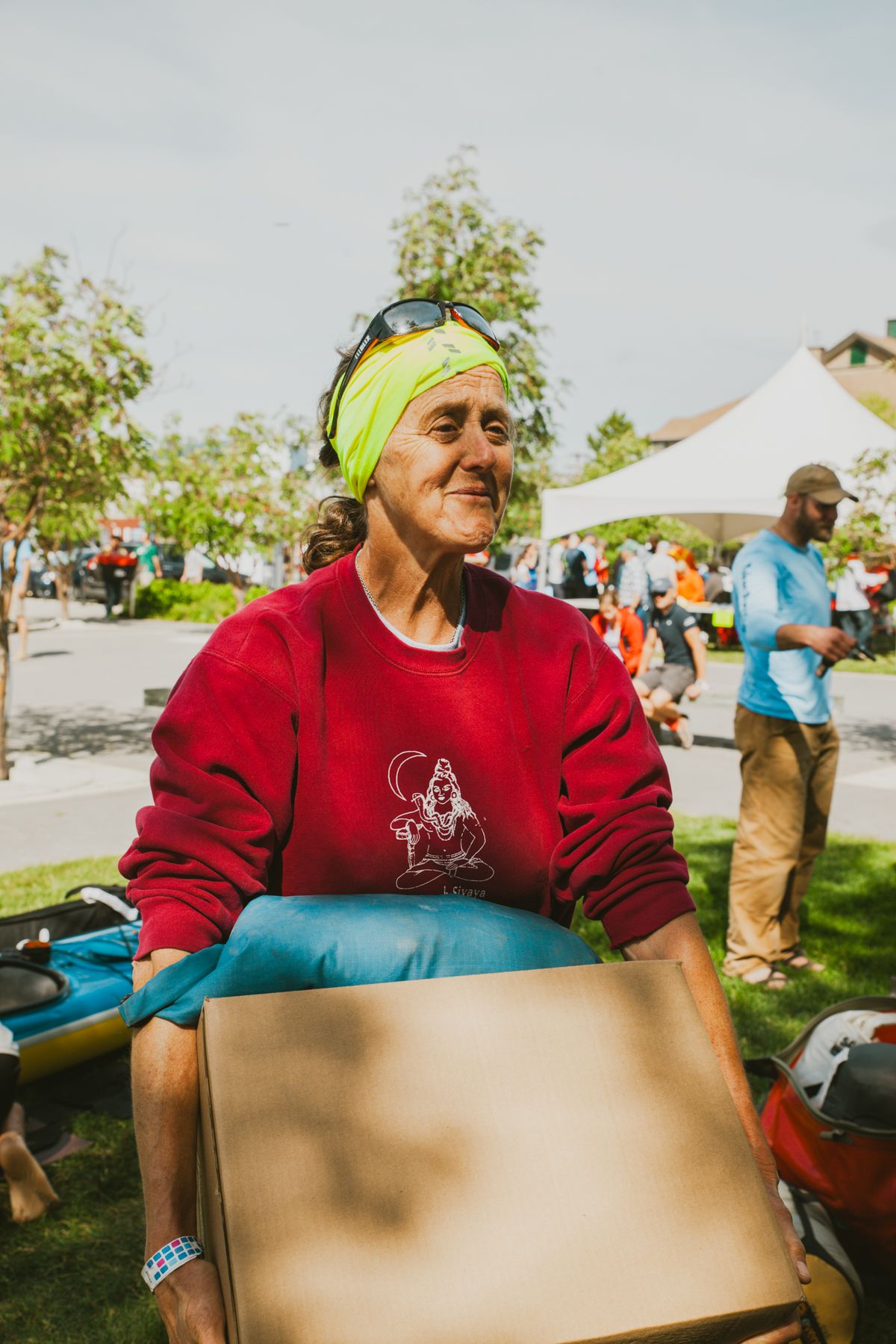
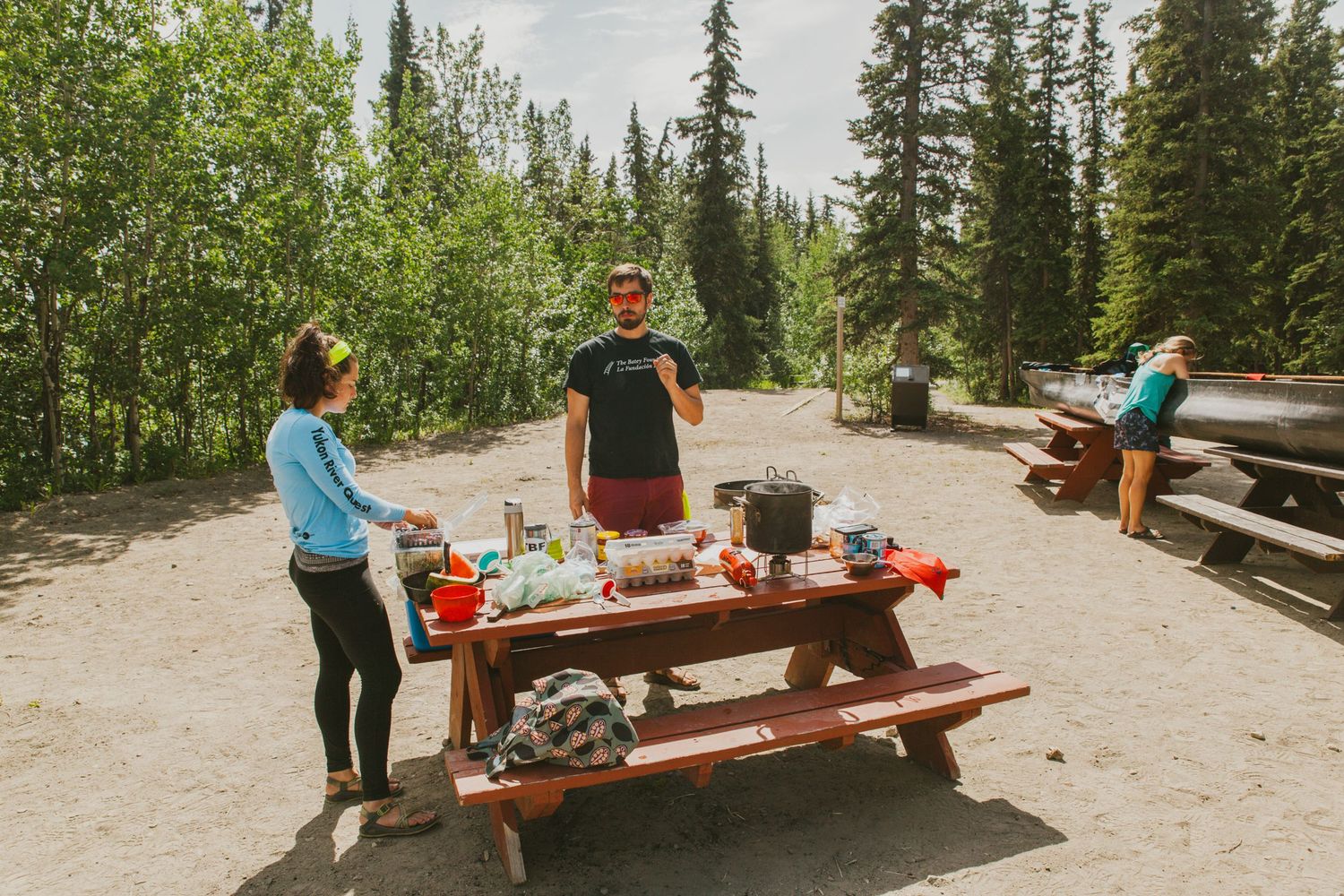
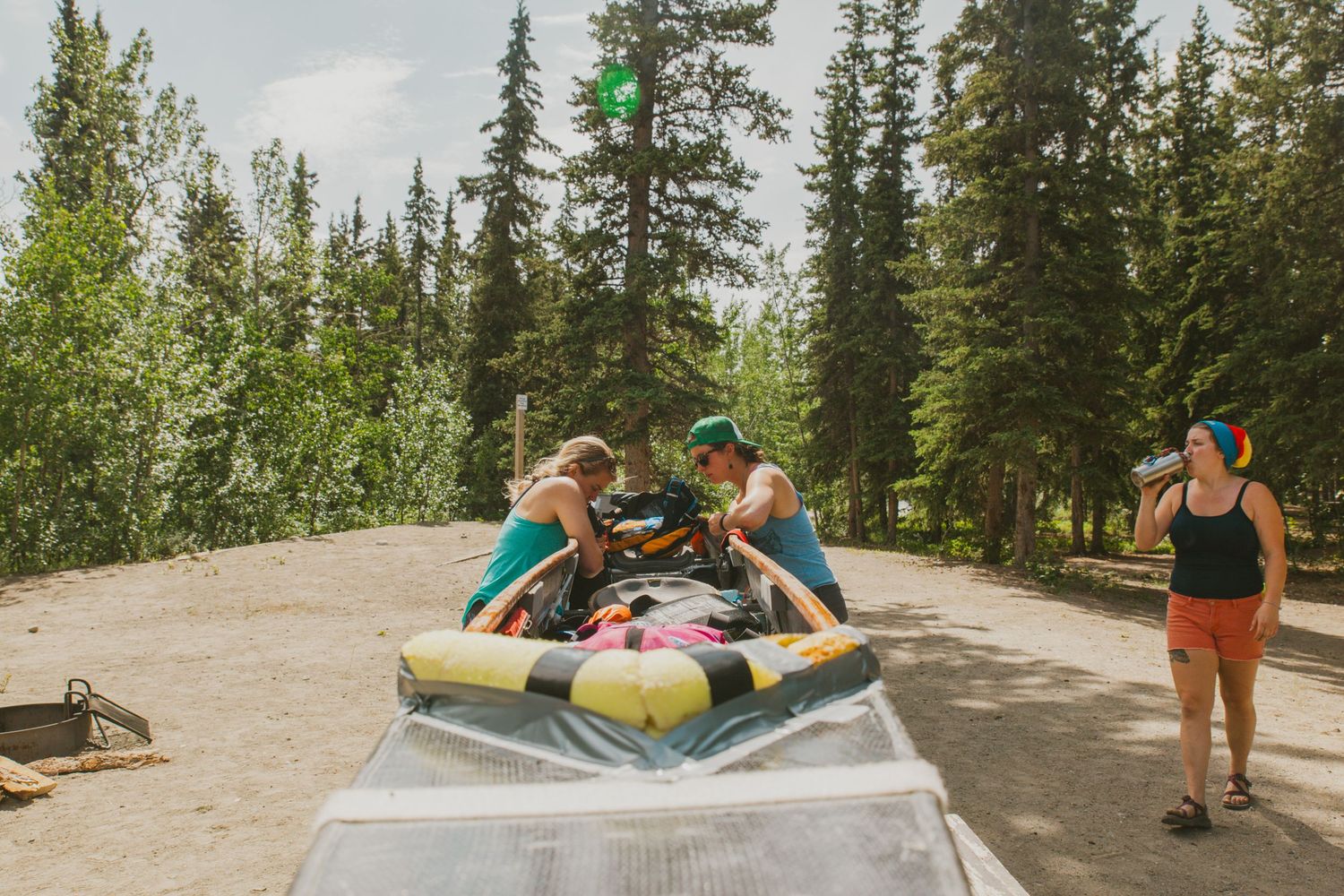
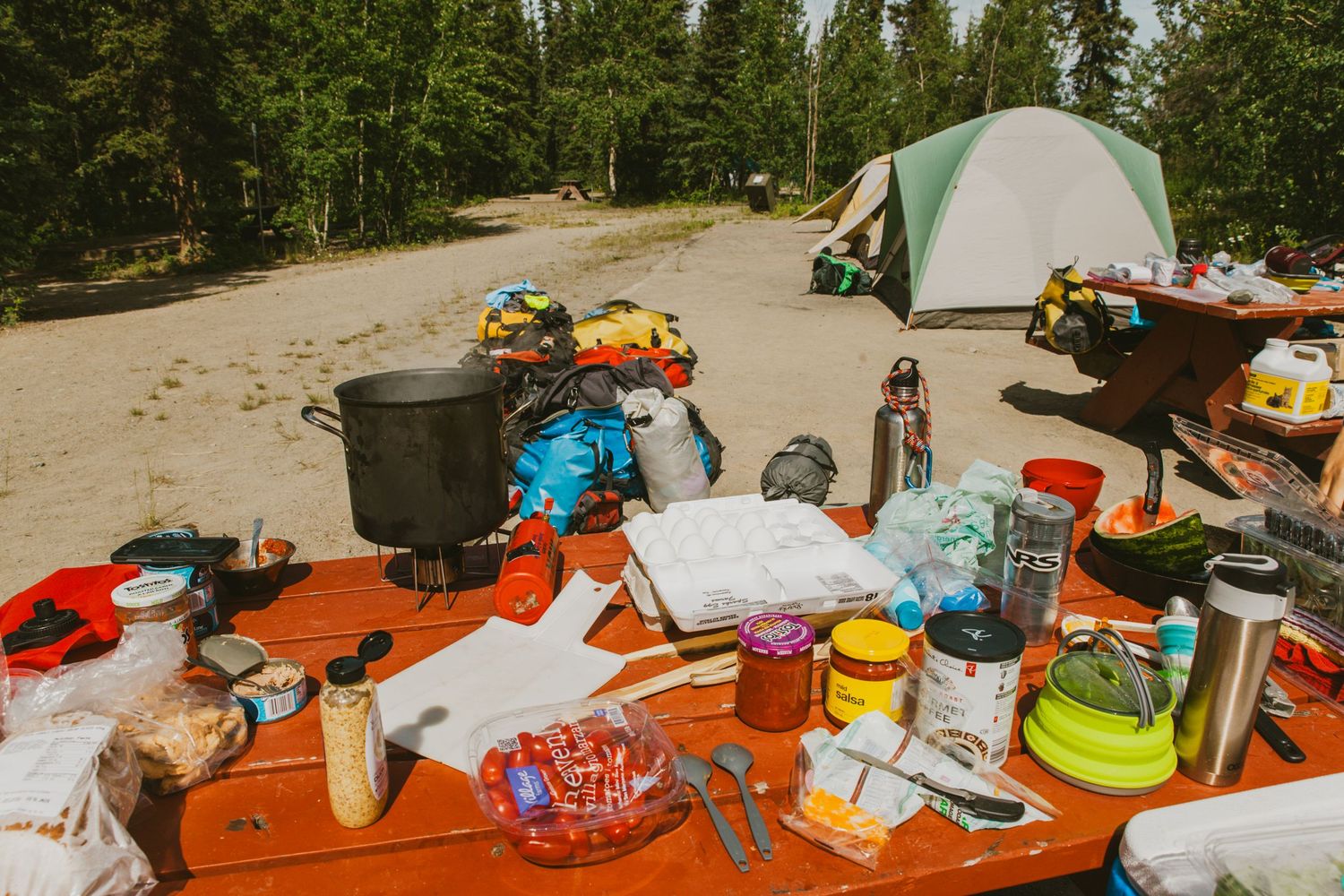
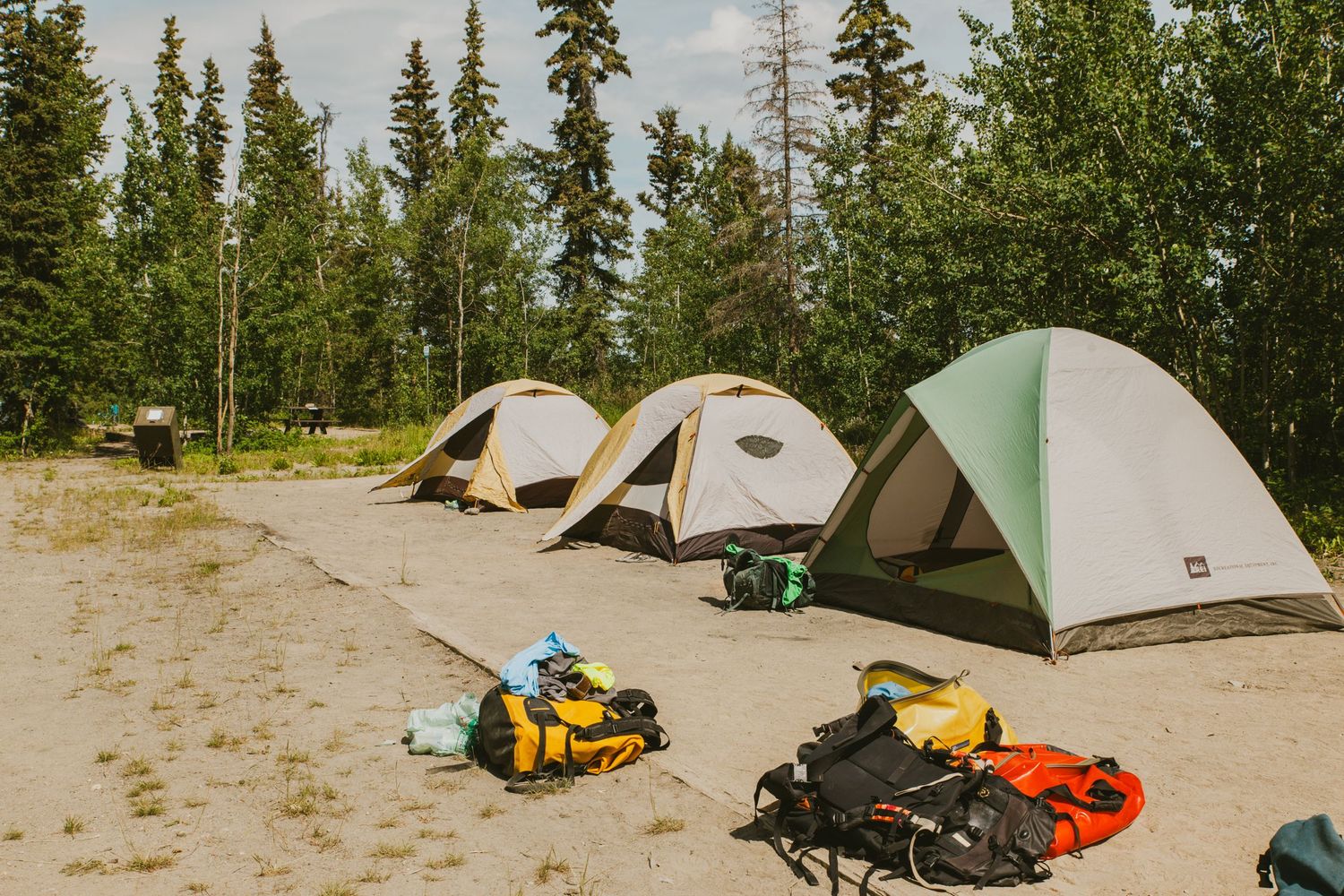
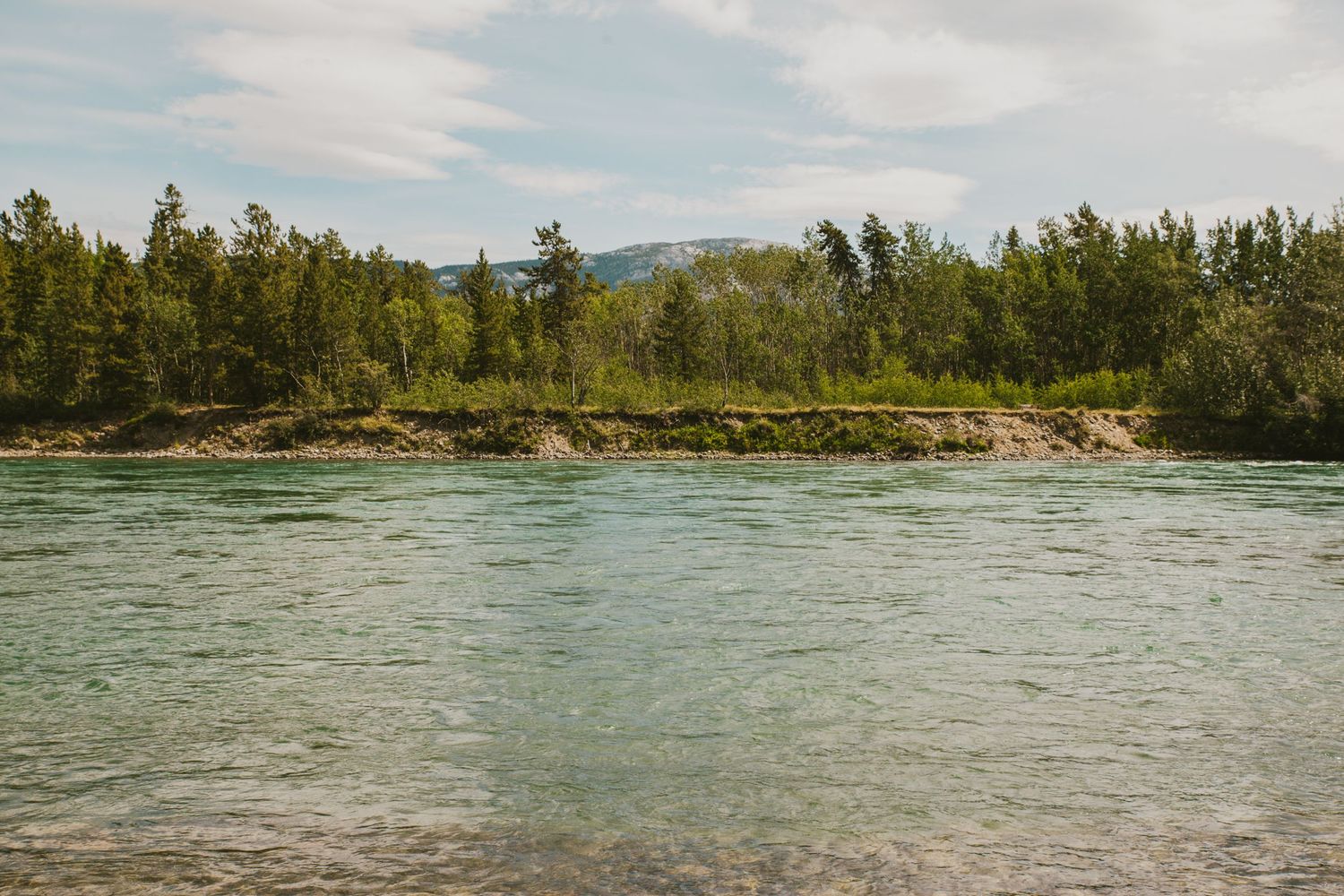
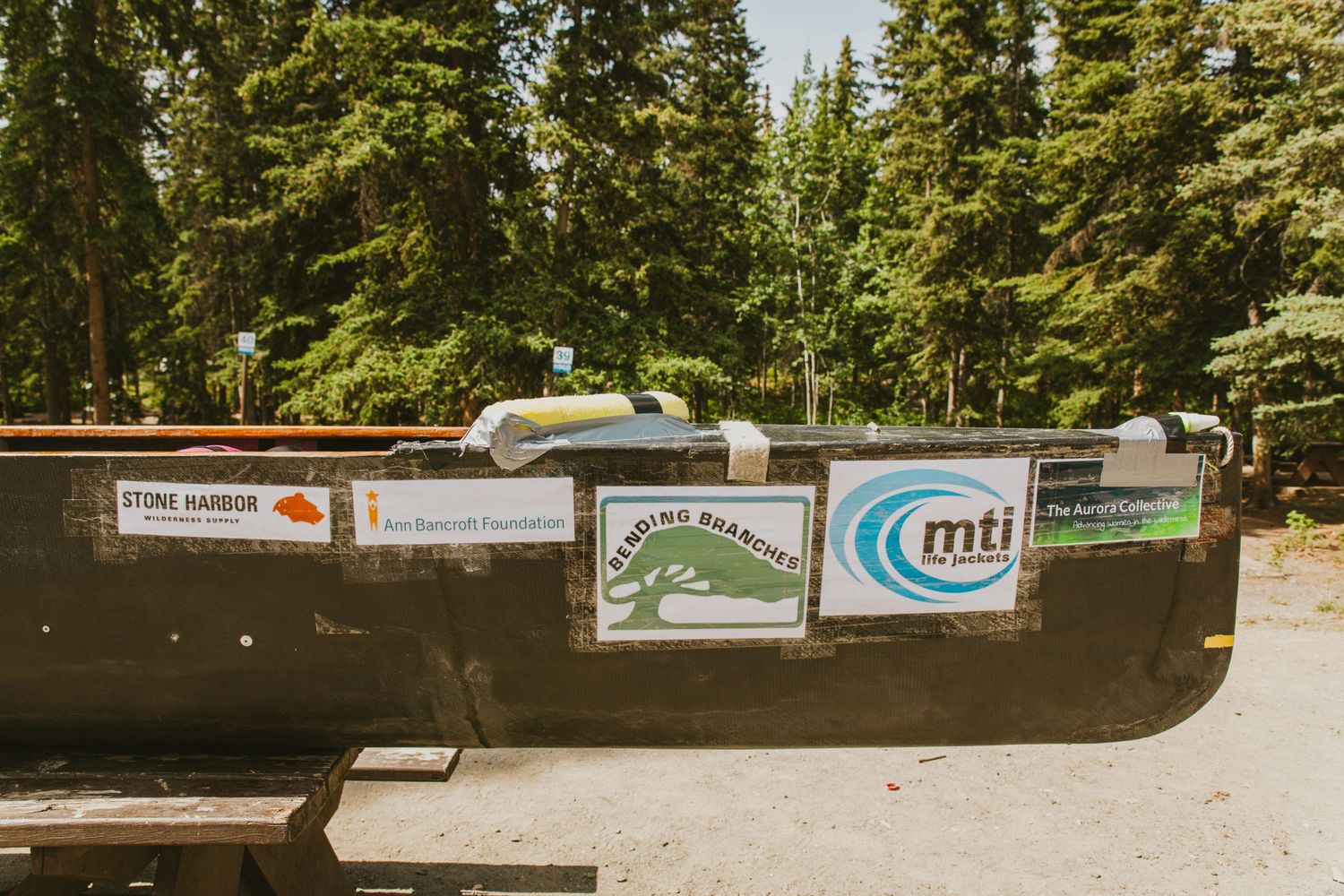
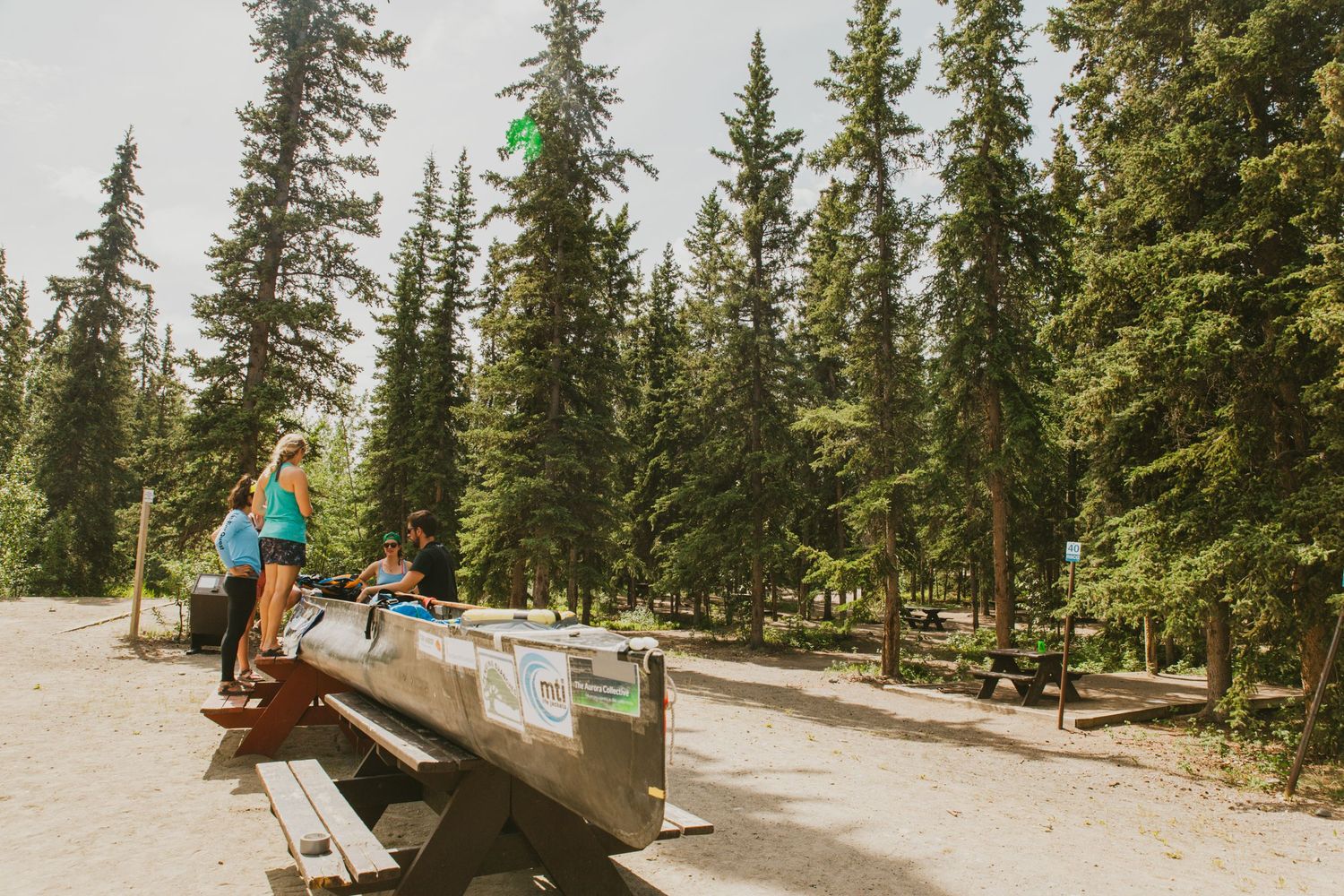
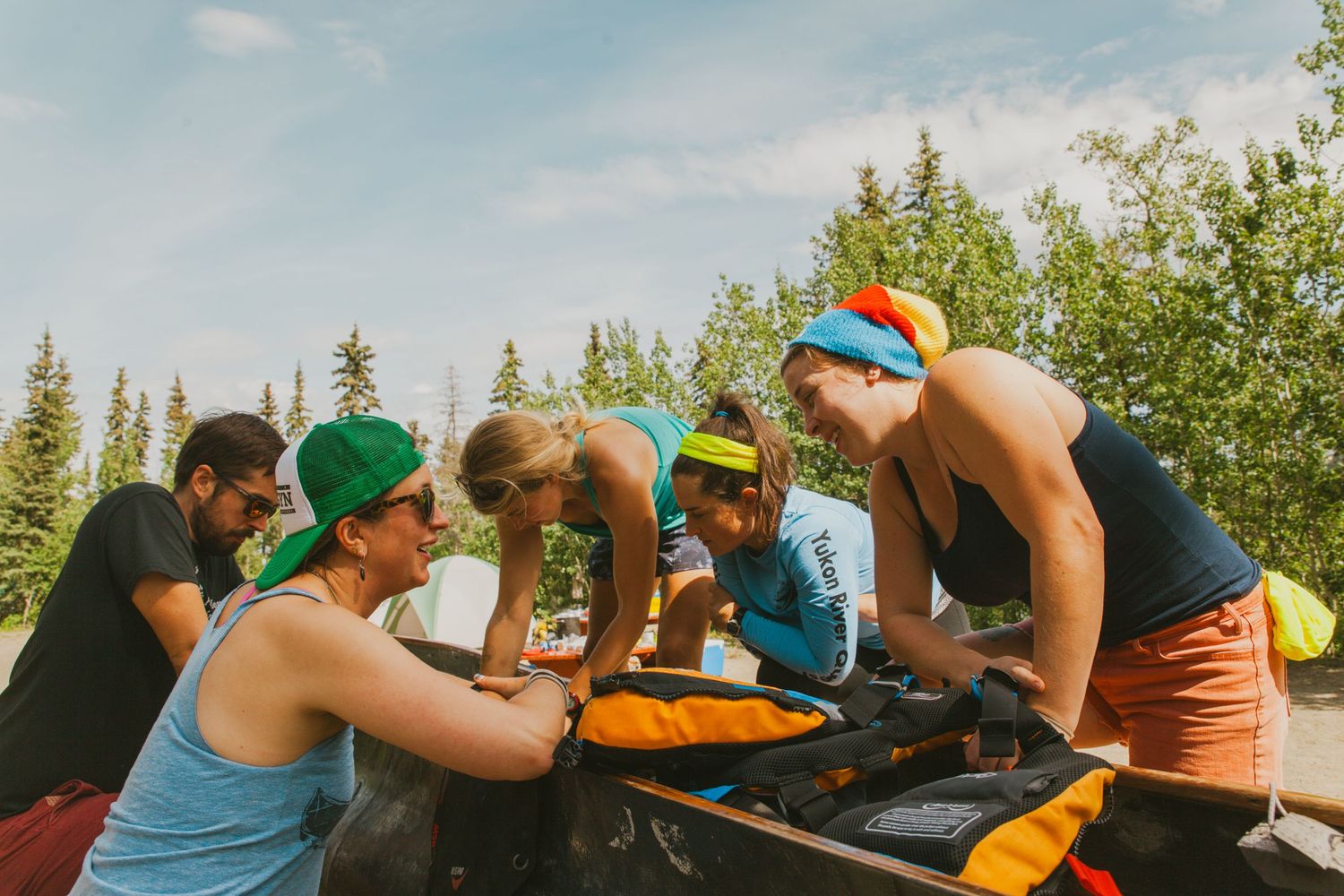
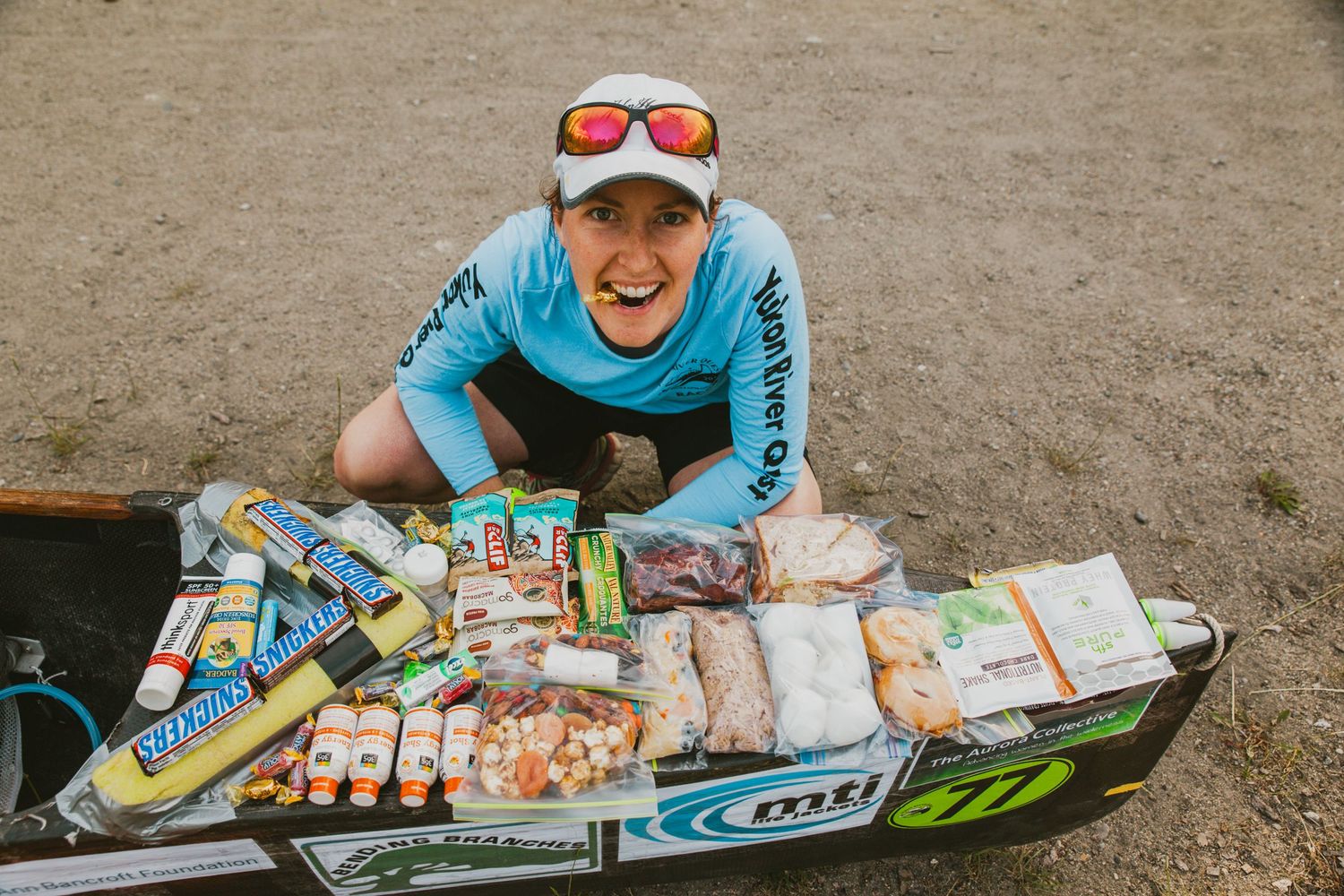
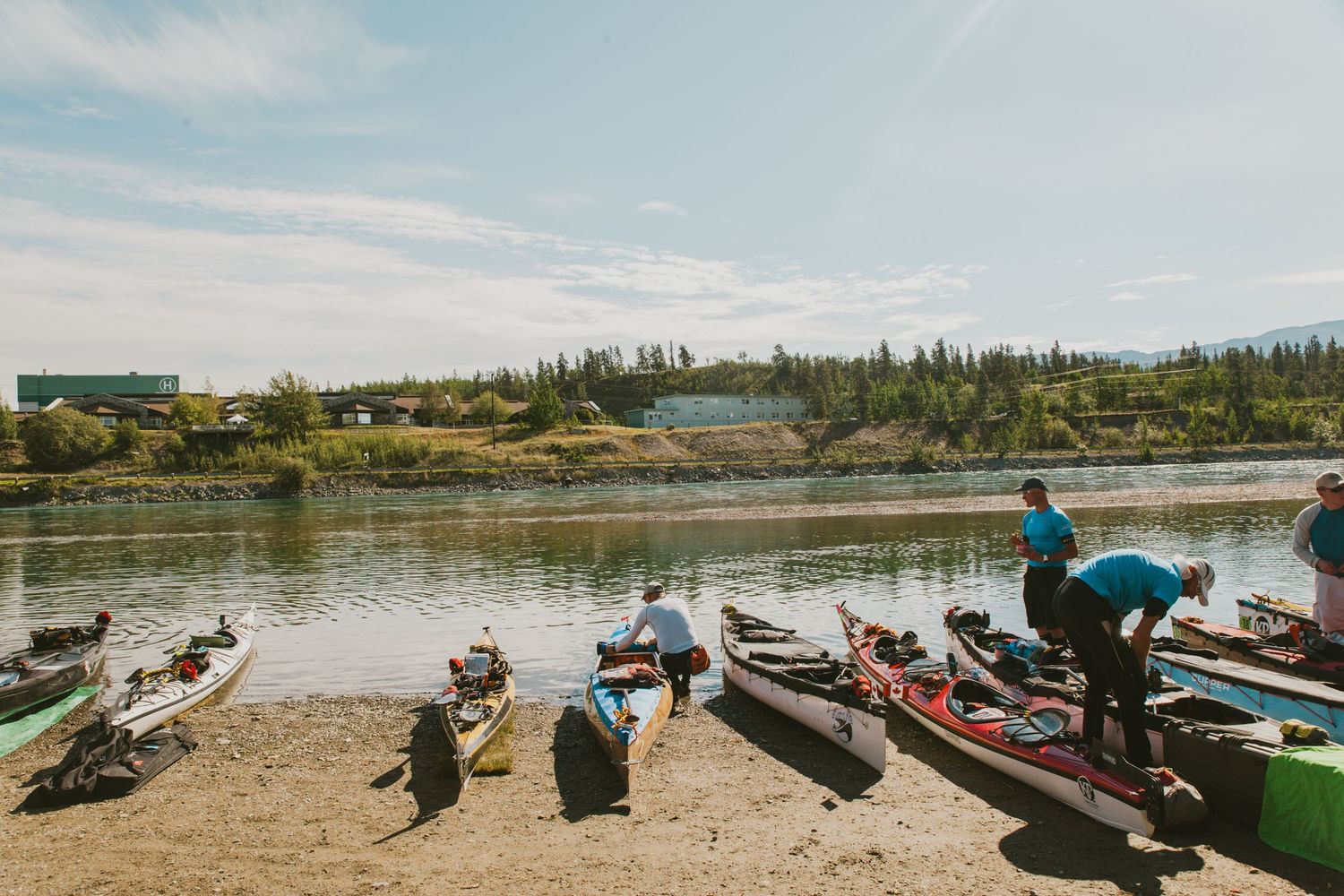
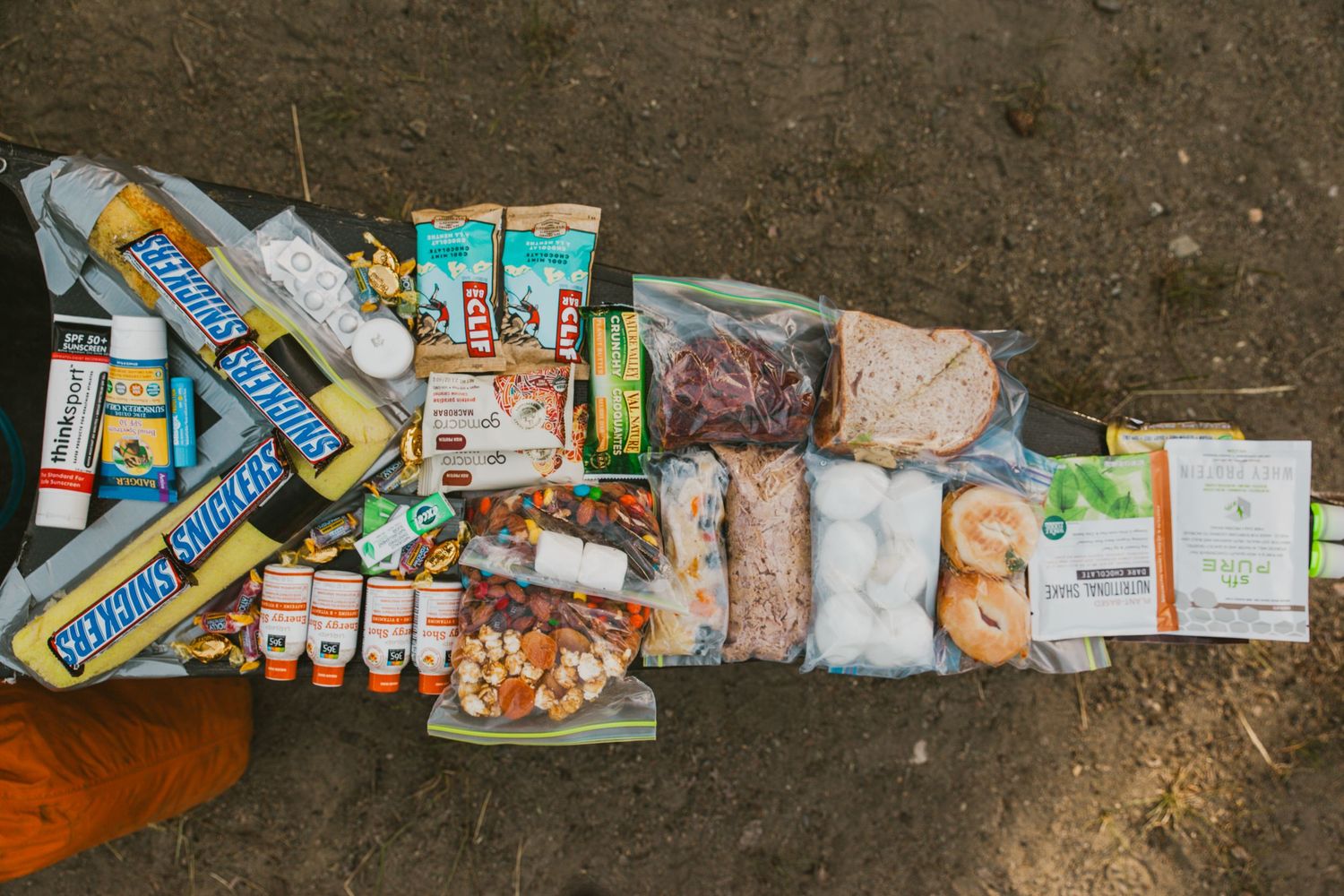
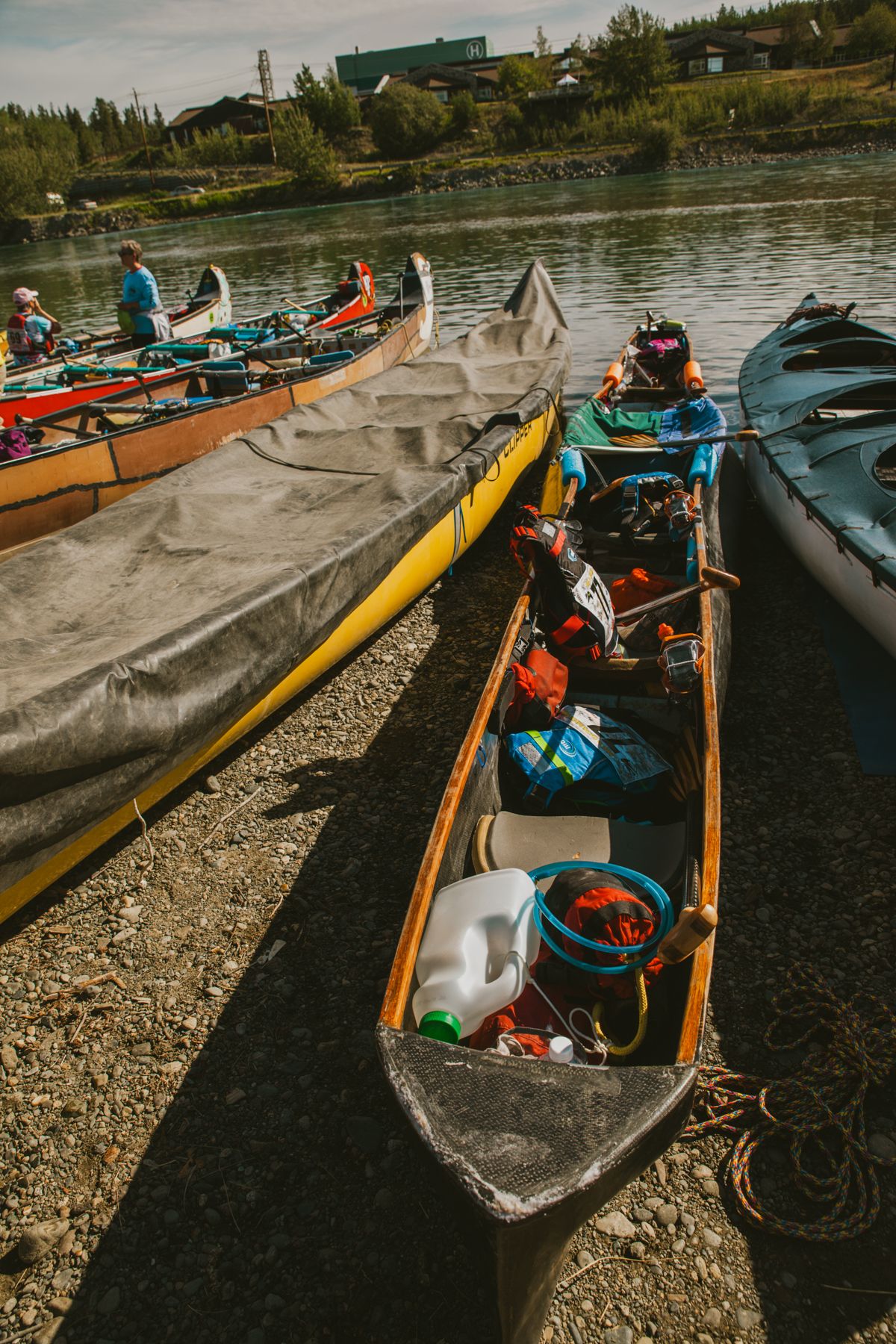
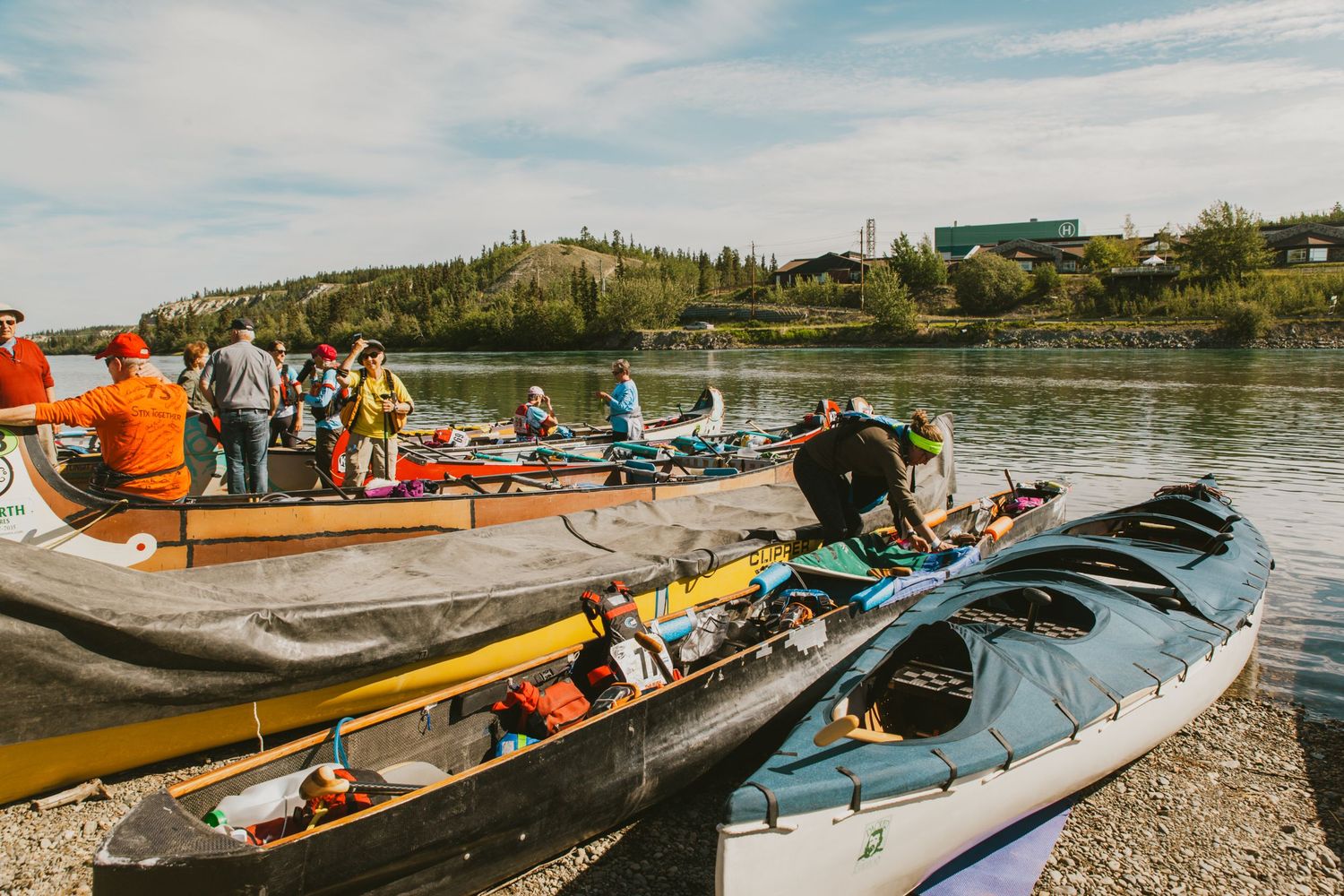
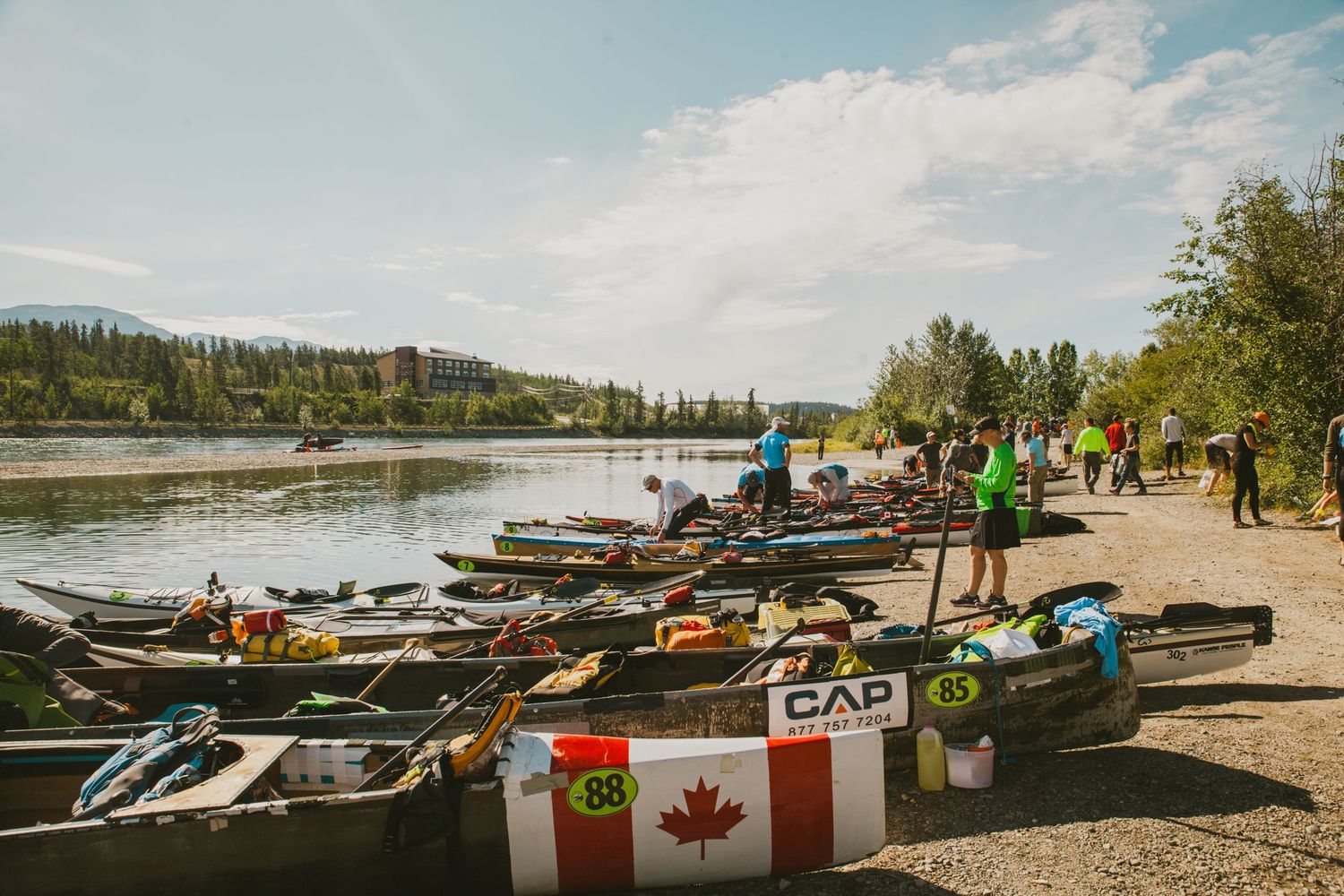
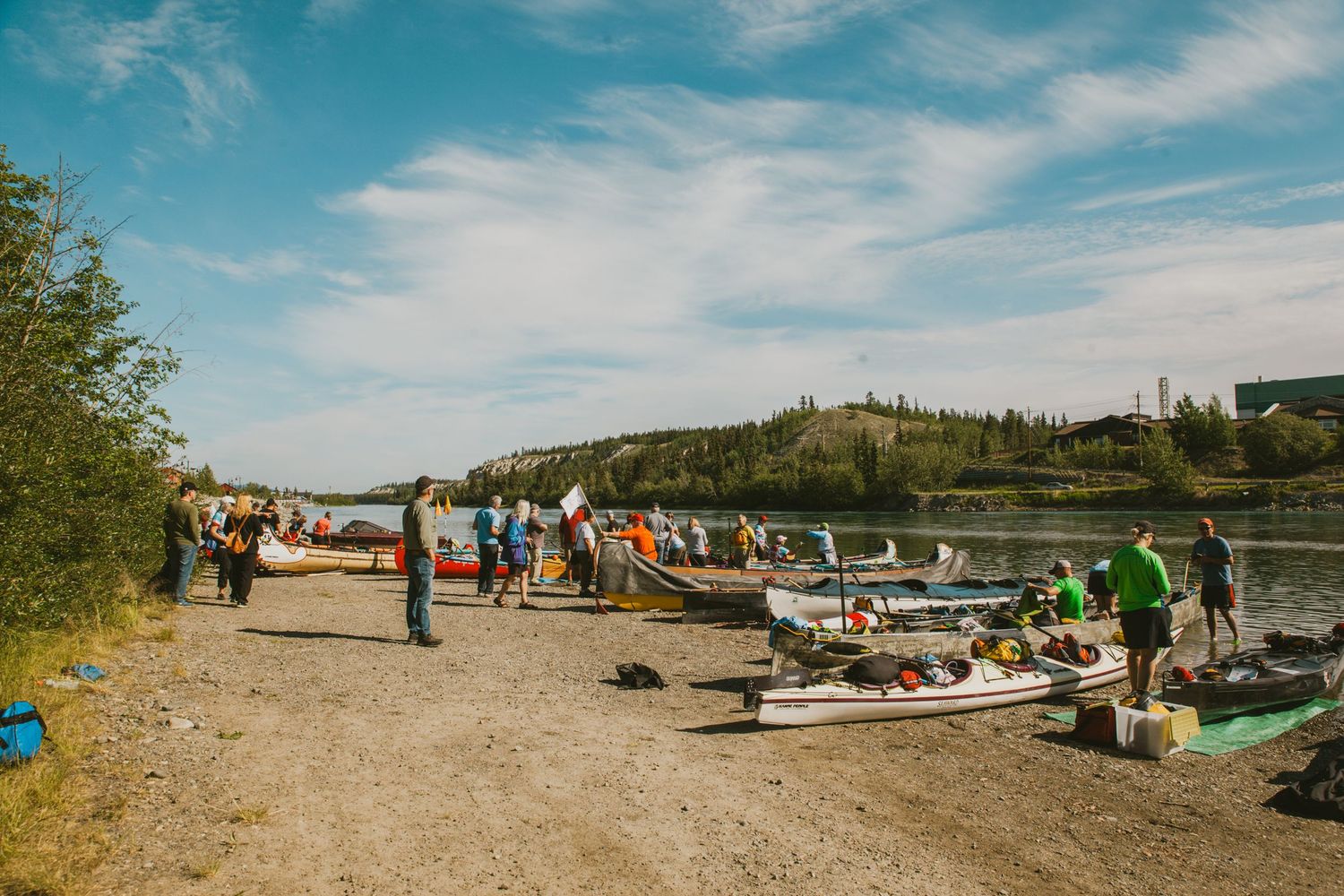
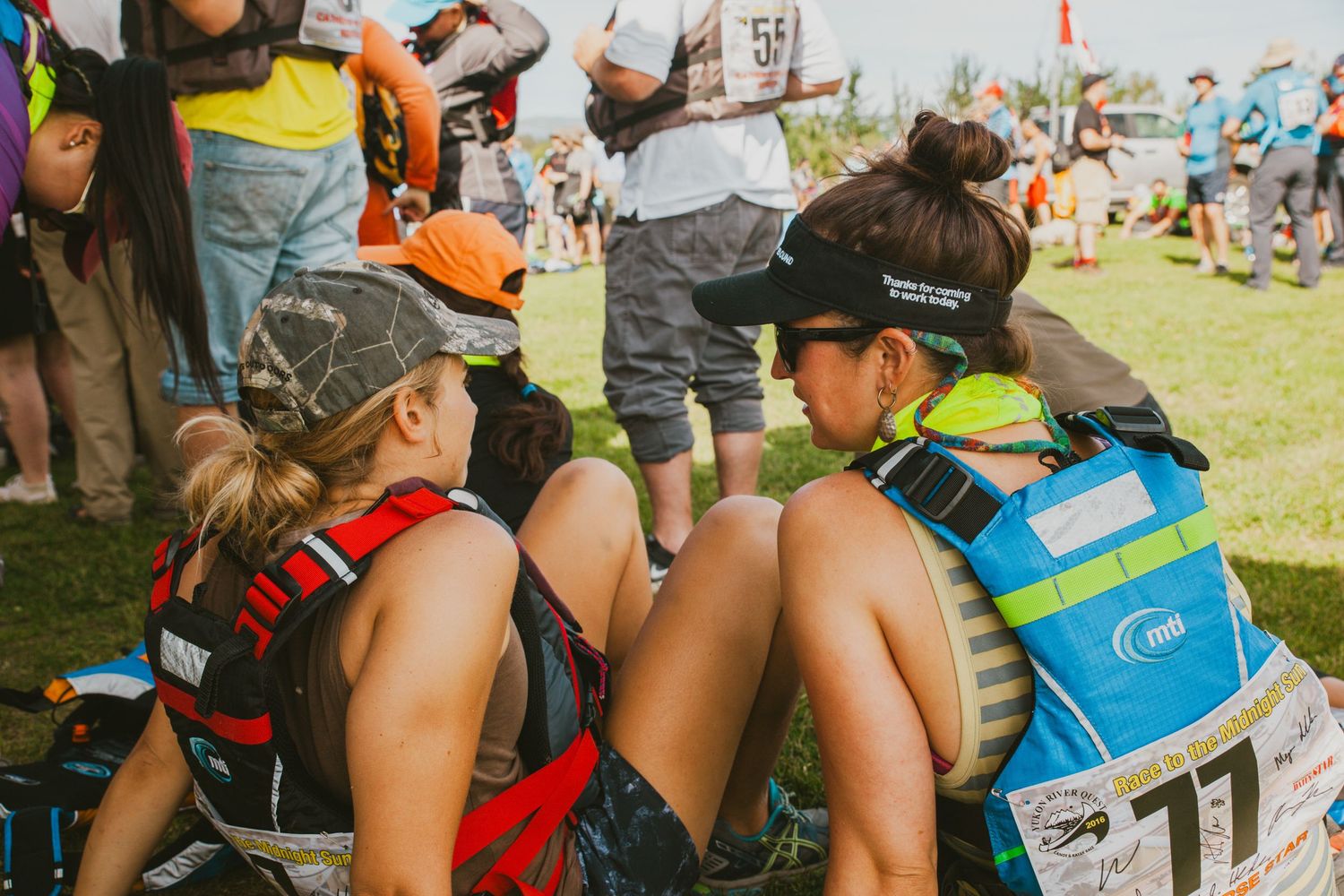
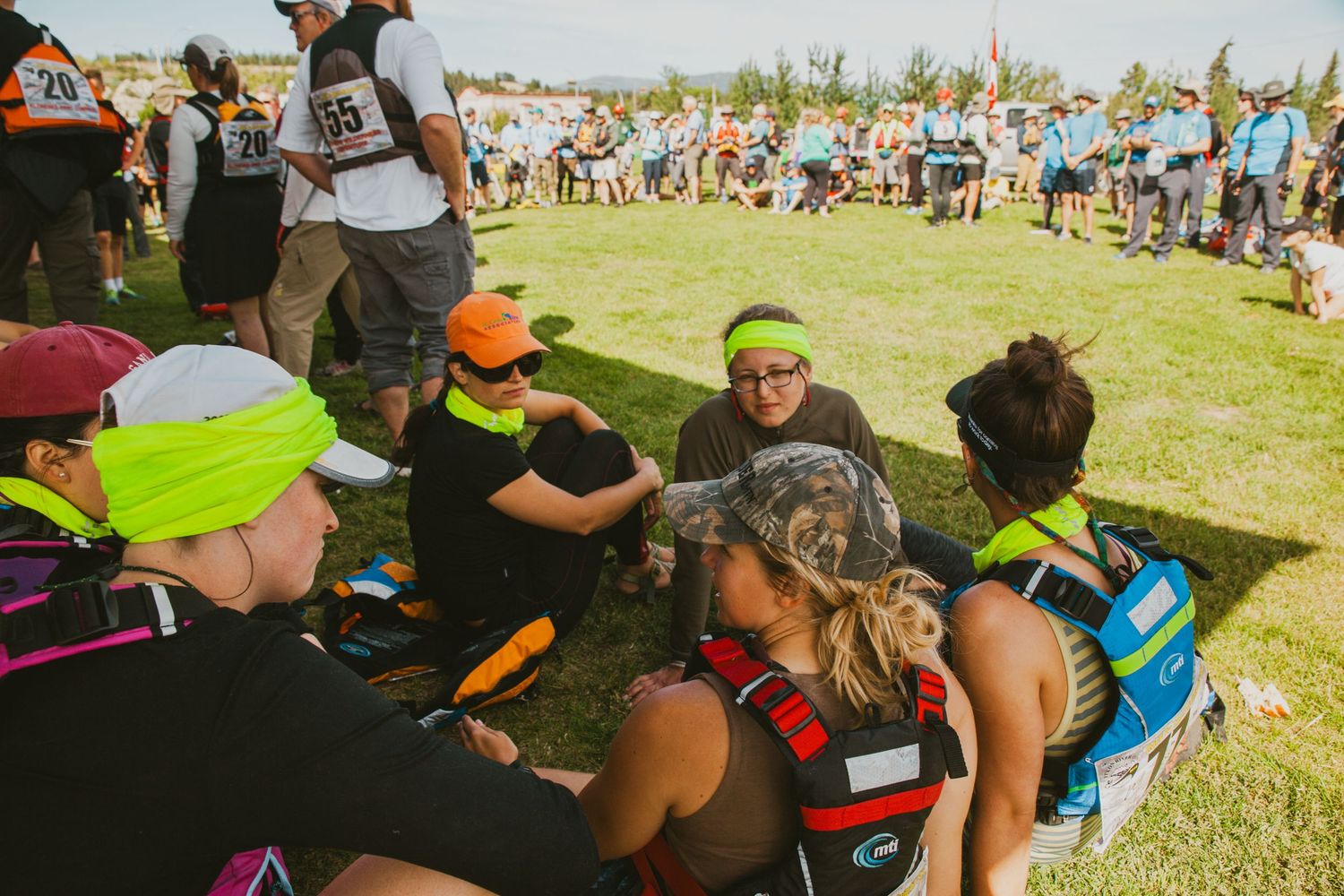
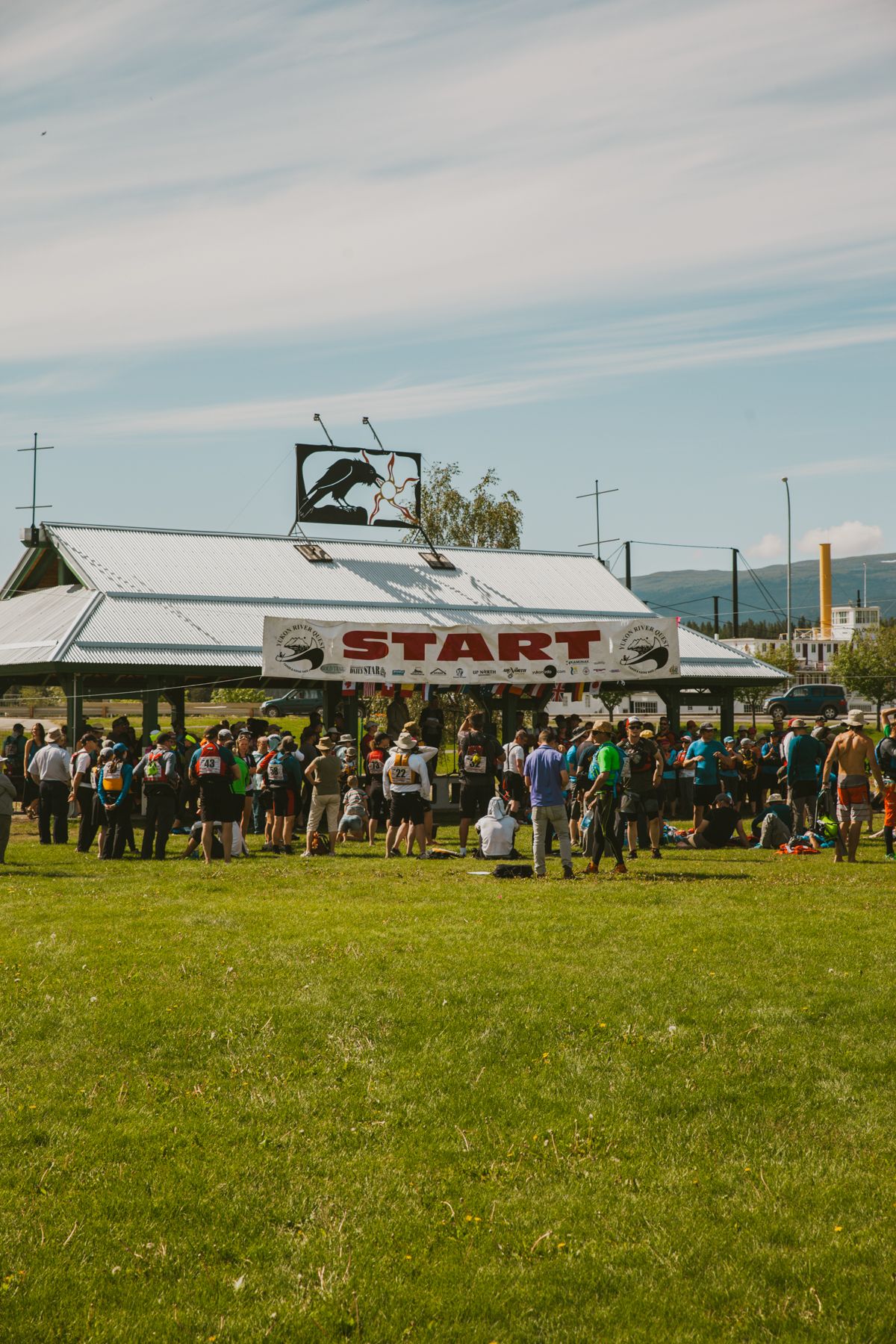
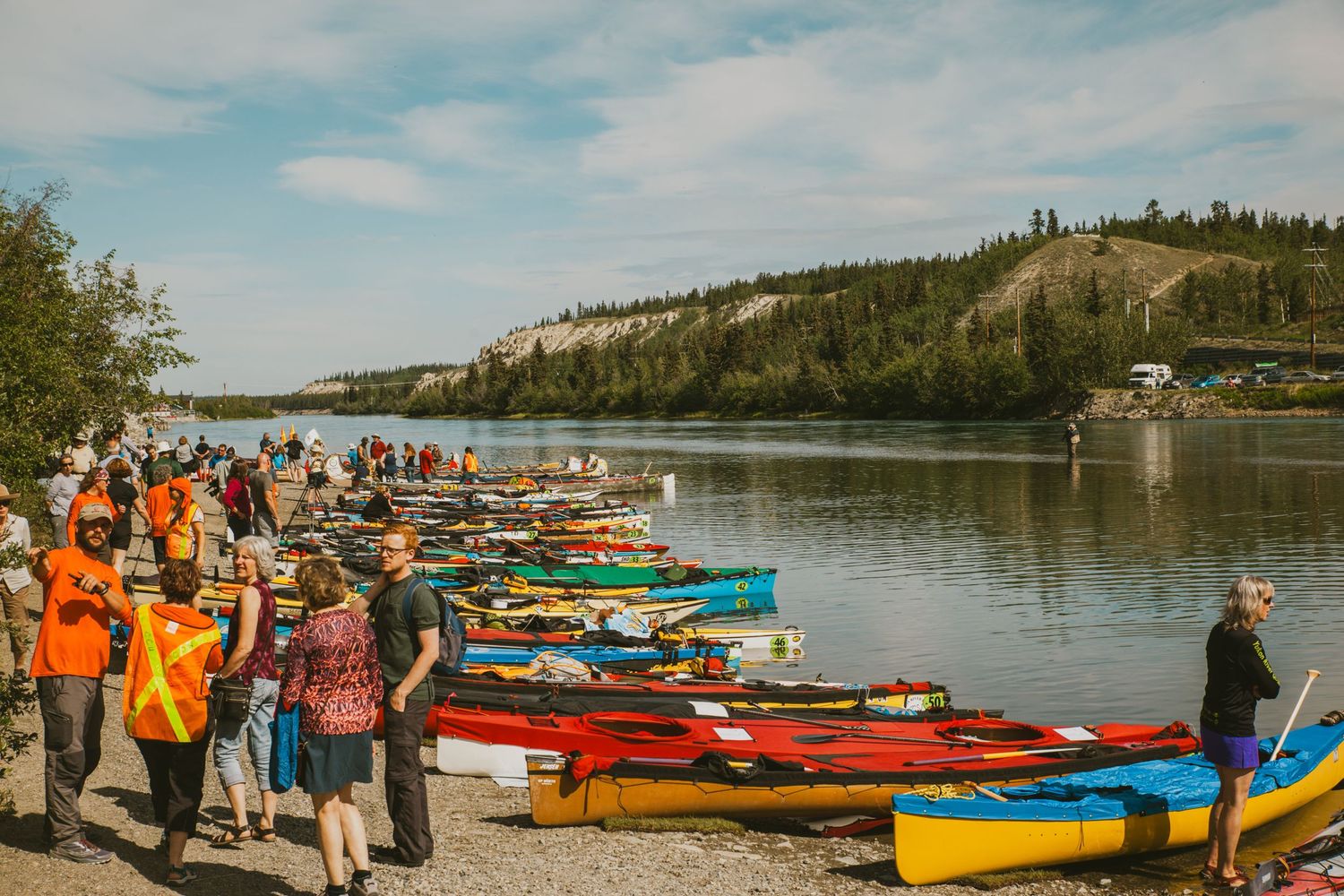
In 2016, I participated in the Yukon River Quest with friends, a 444-mile canoe race from Whitehorse to Dawson City. Surrounded by vast wilderness and guided by the rhythm of the river, the journey tested my endurance while offering moments of awe.
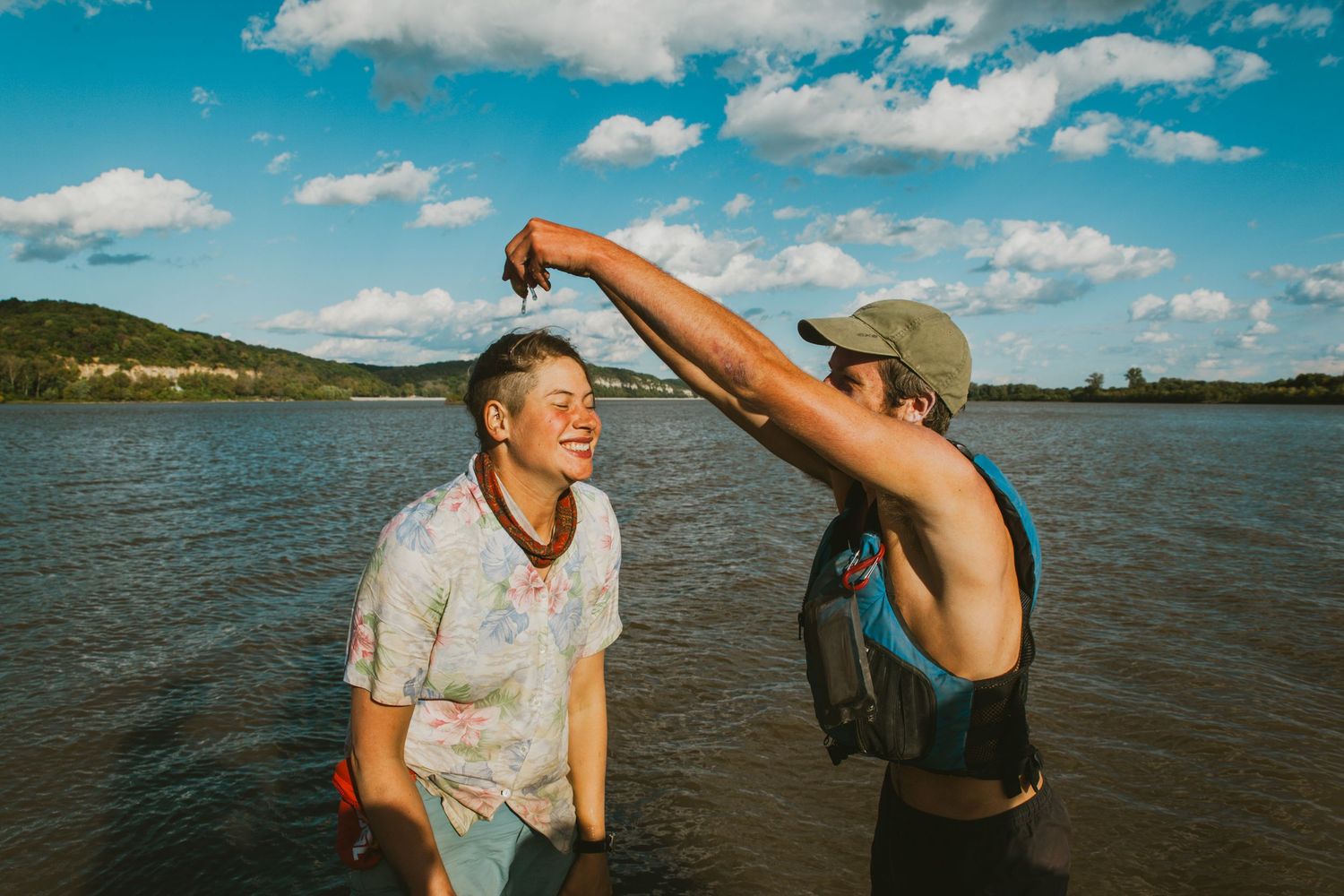
We placed first in the Women's Voyageur Division, completing the race in just 53 hours. Upon reaching Dawson City, we celebrated with the town's iconic Sourtoe Cocktail, a rite of passage for many who make the journey north. The experience remains one of my most memorable adventures on the water, a reminder of both the power of wild rivers and the resilience found in moving with them.
Source to Sea: A Winter Migration
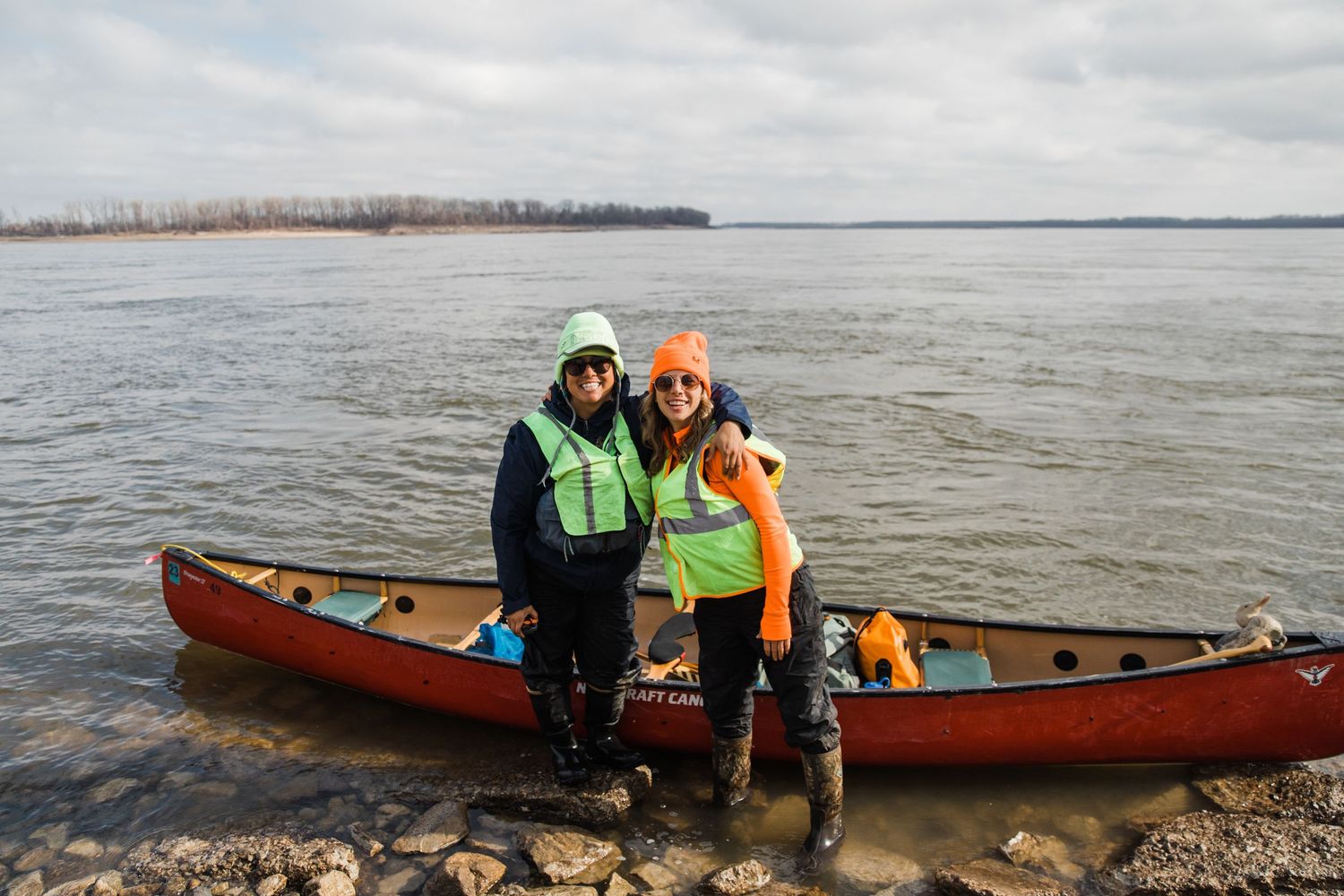
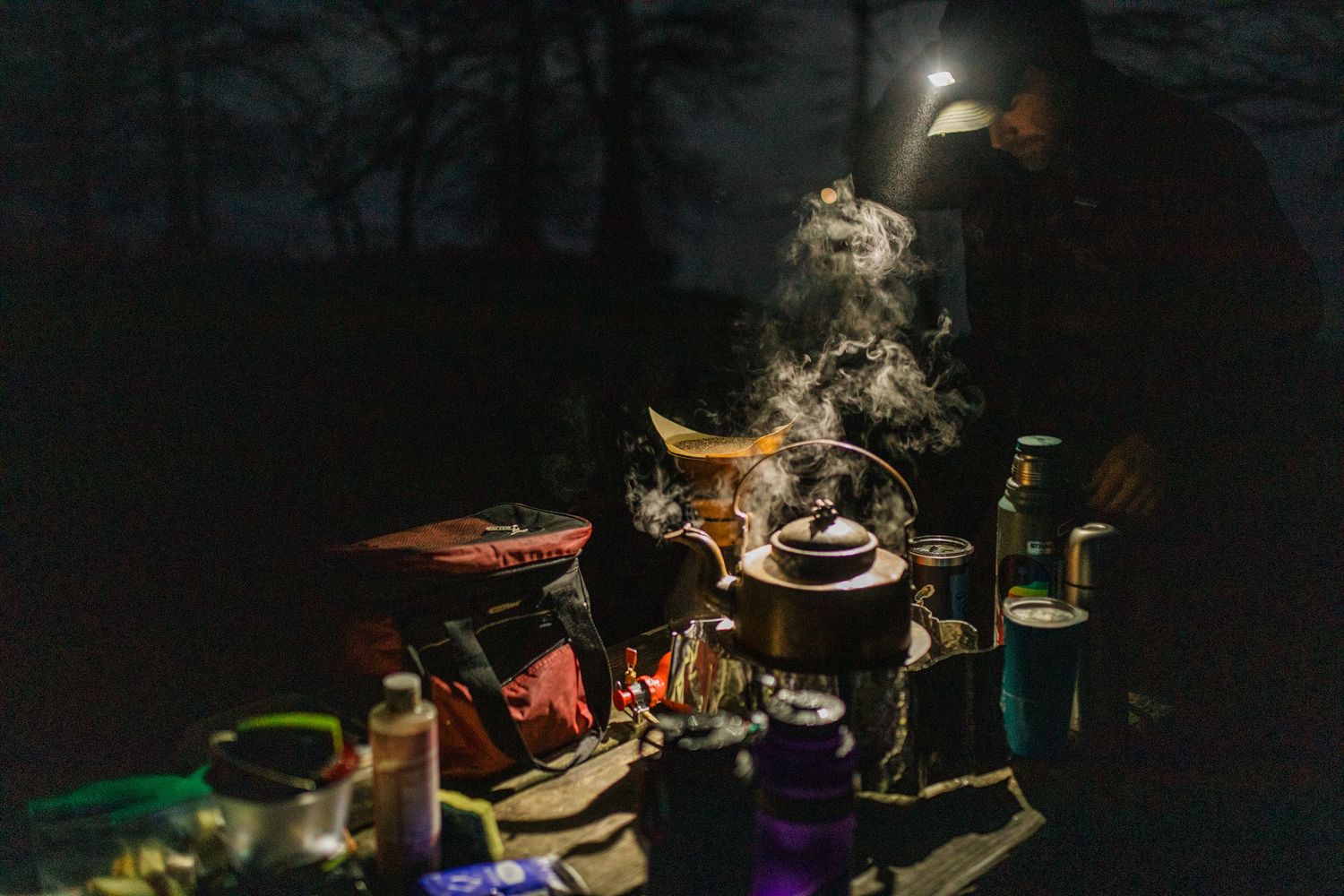
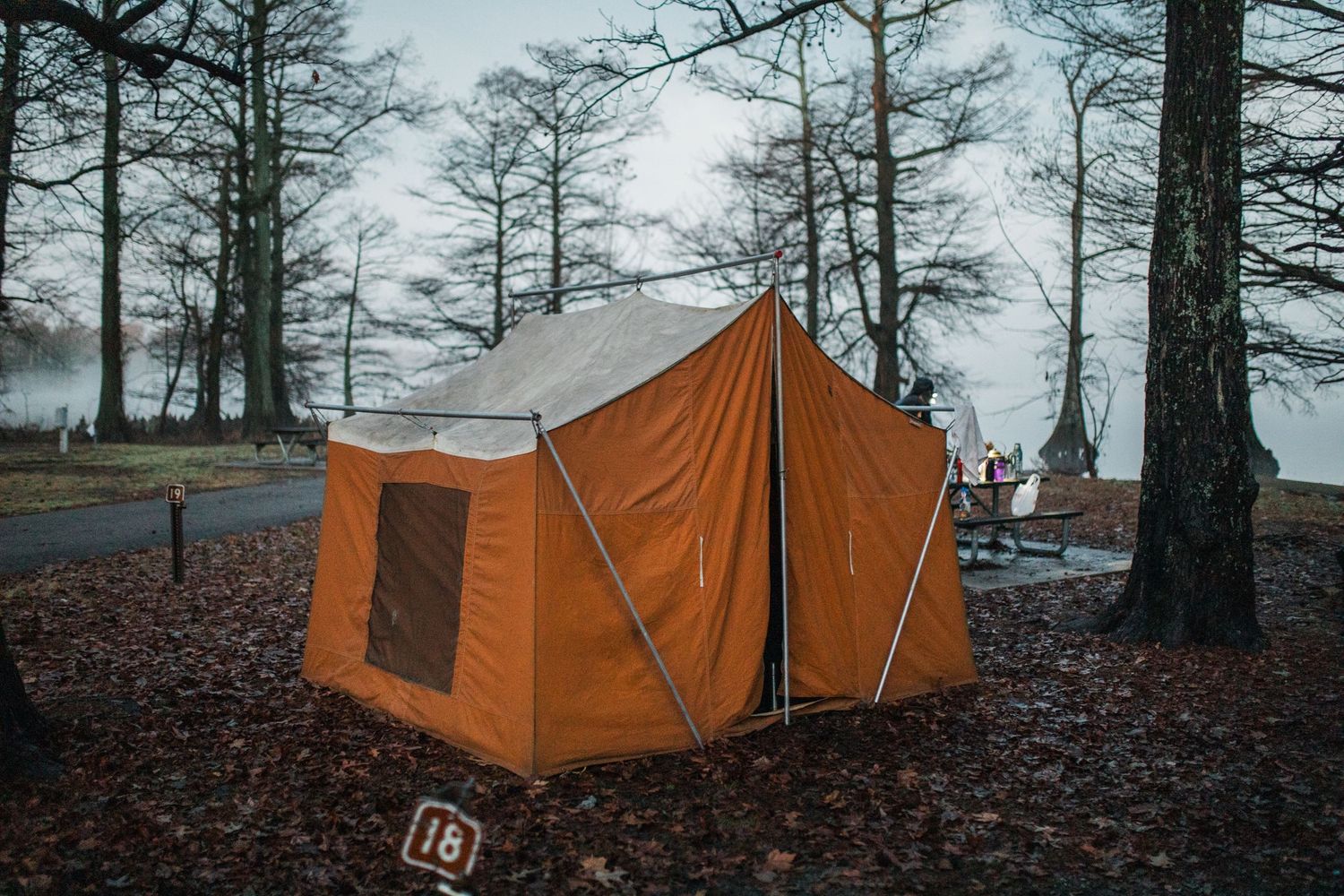
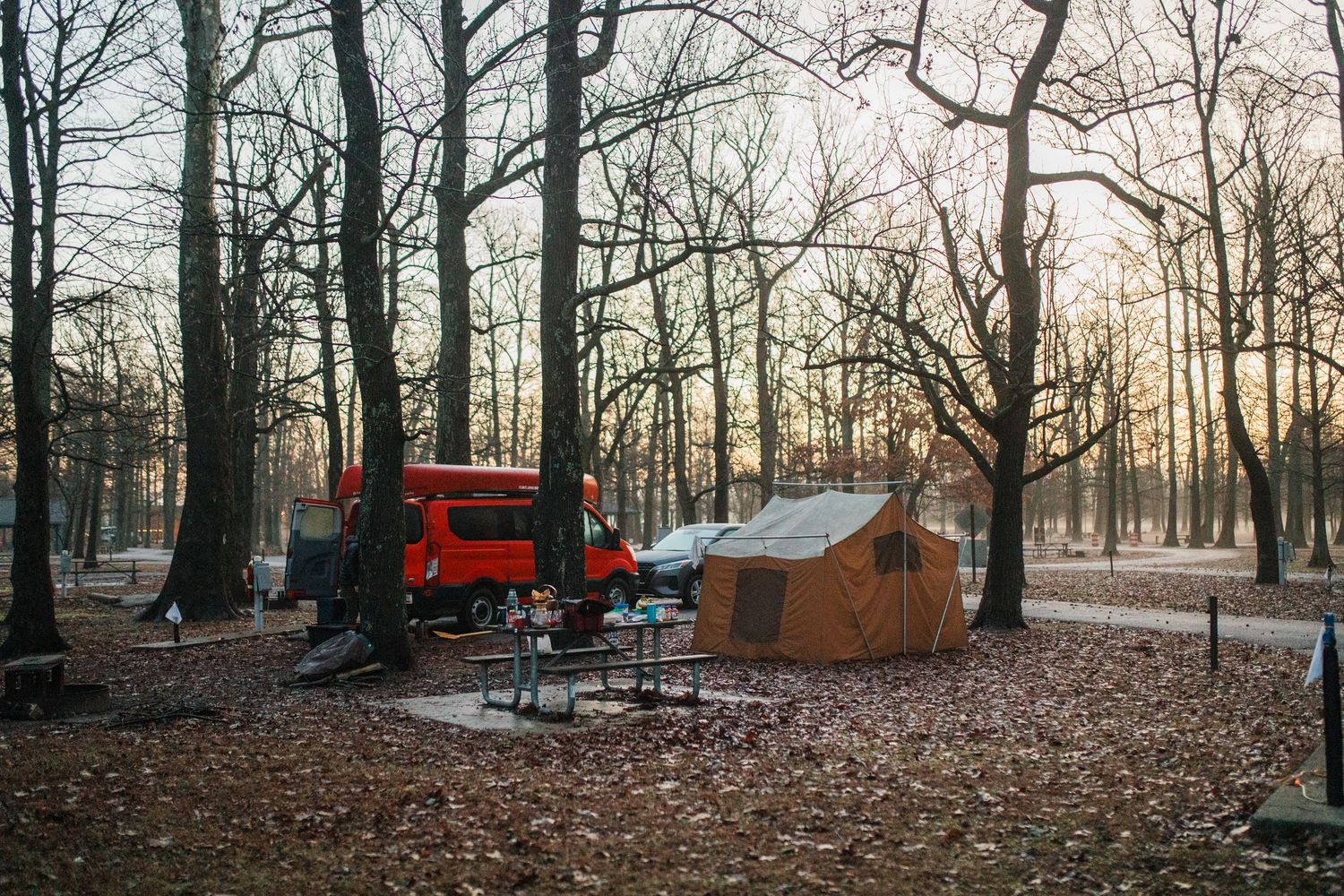
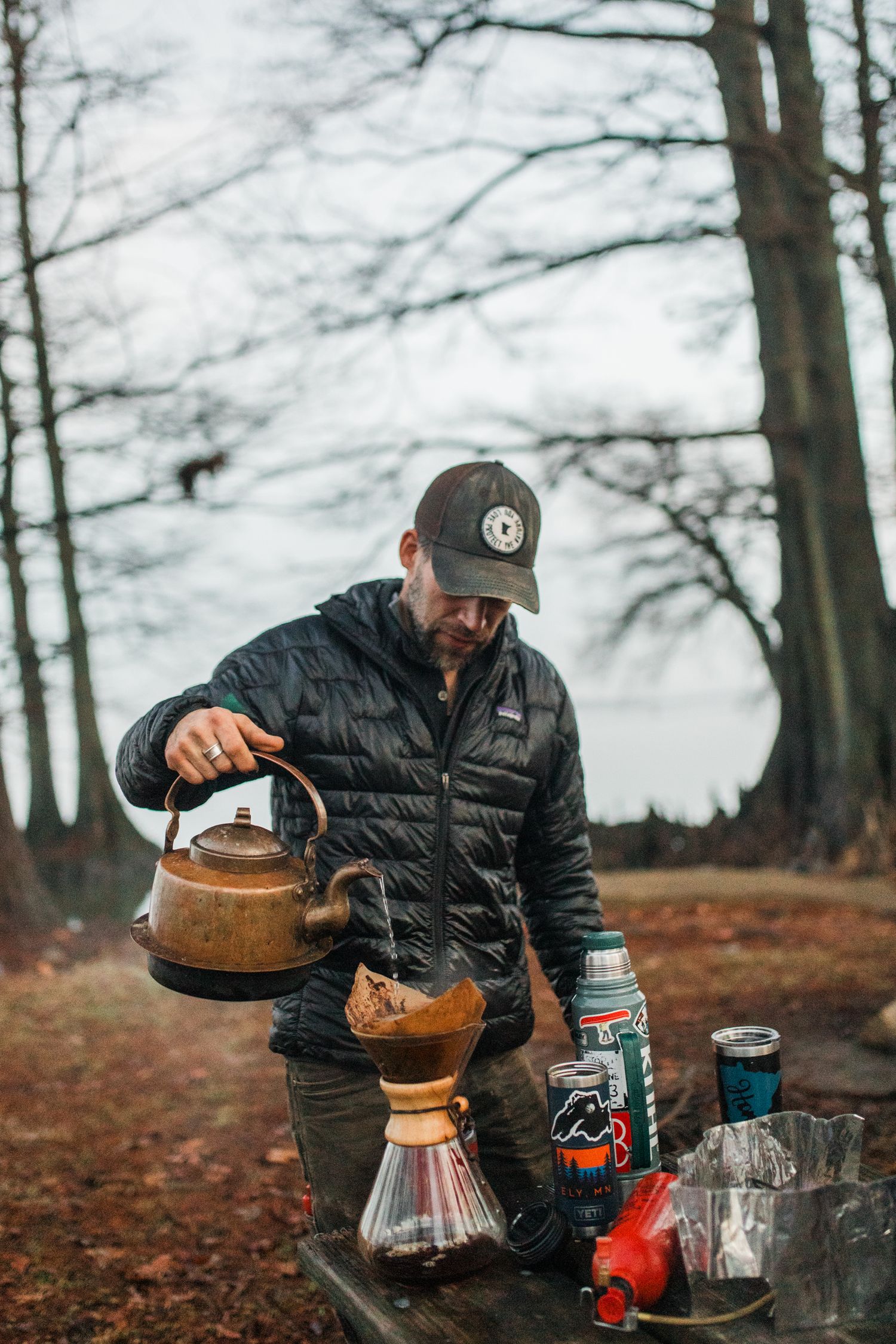
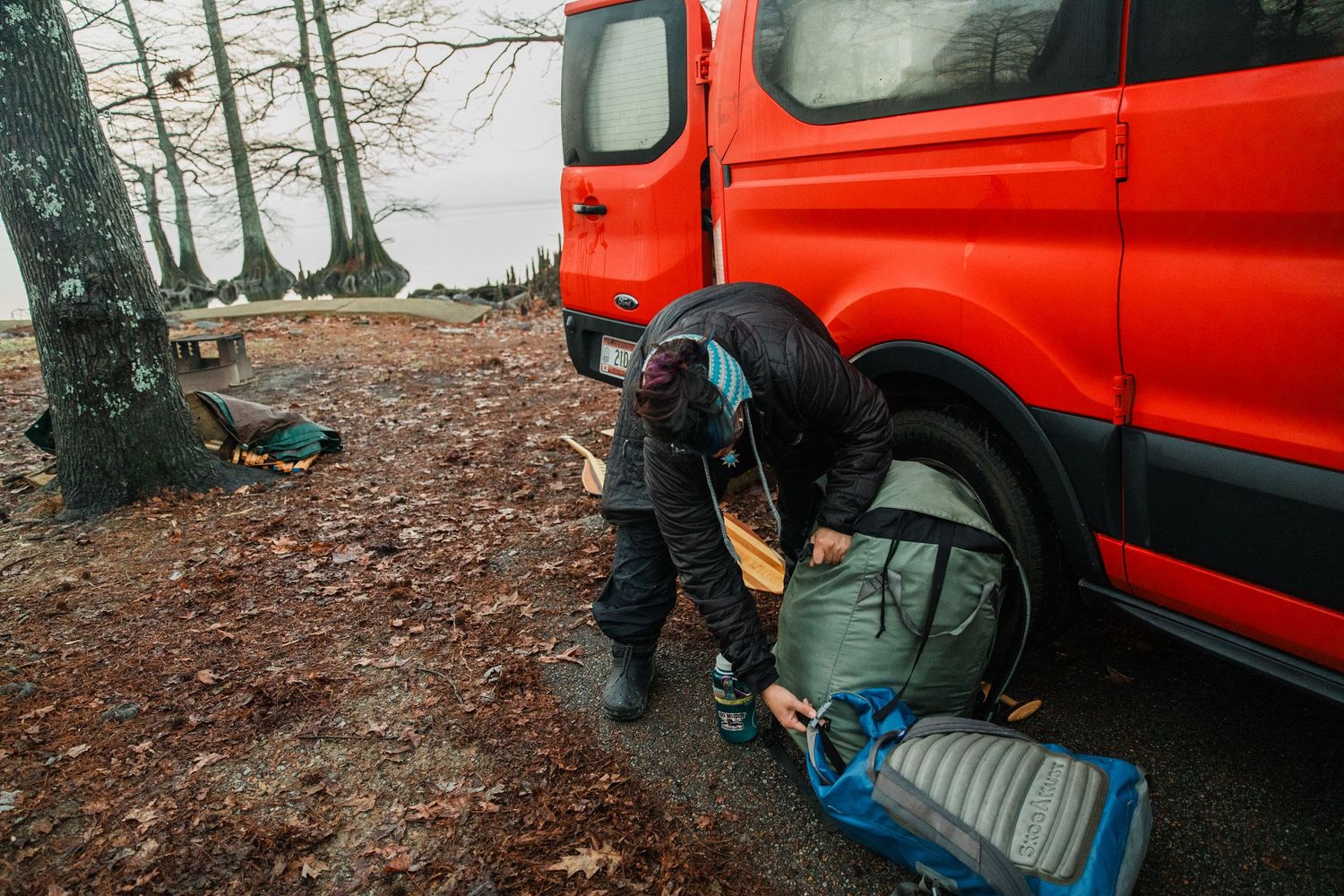
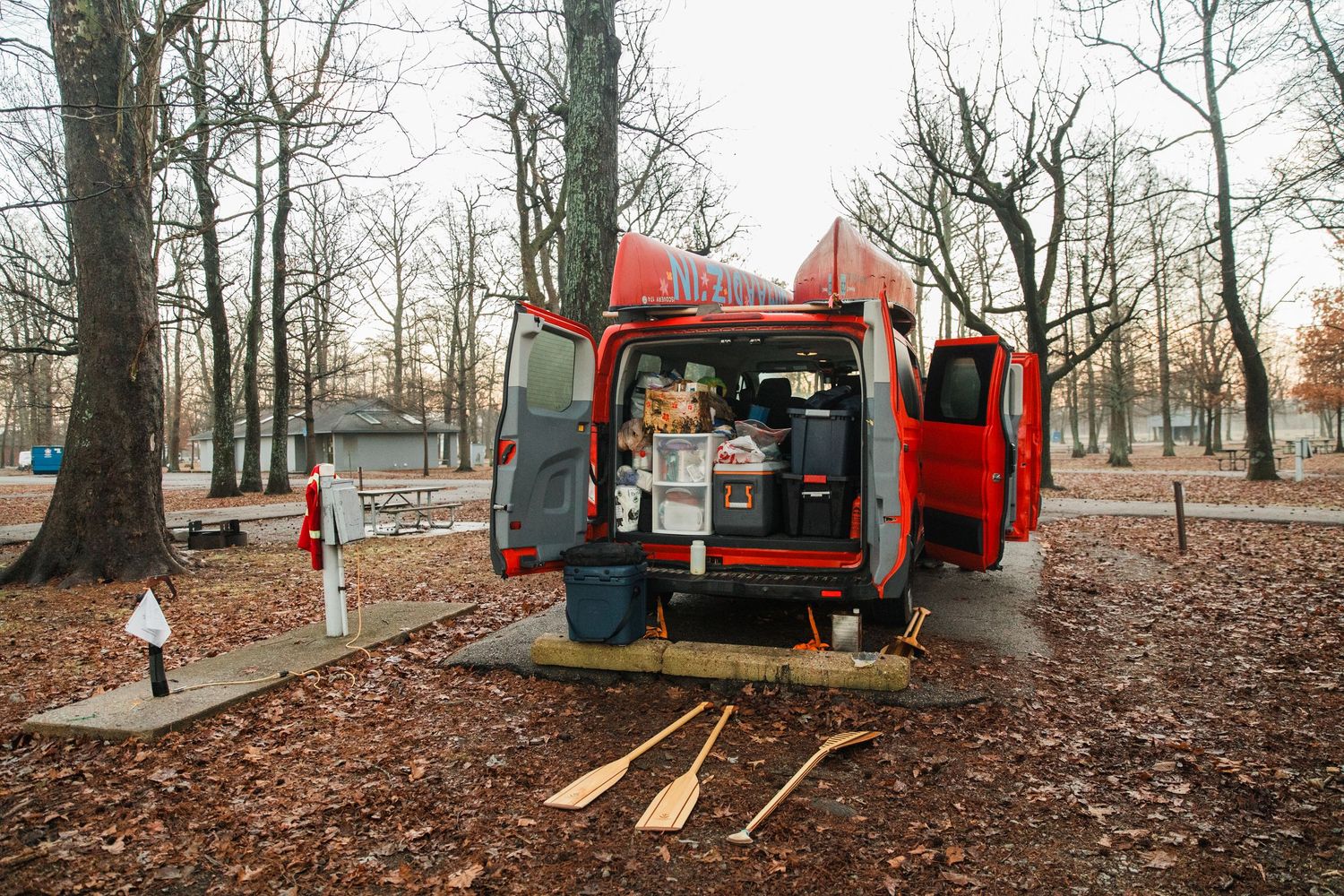
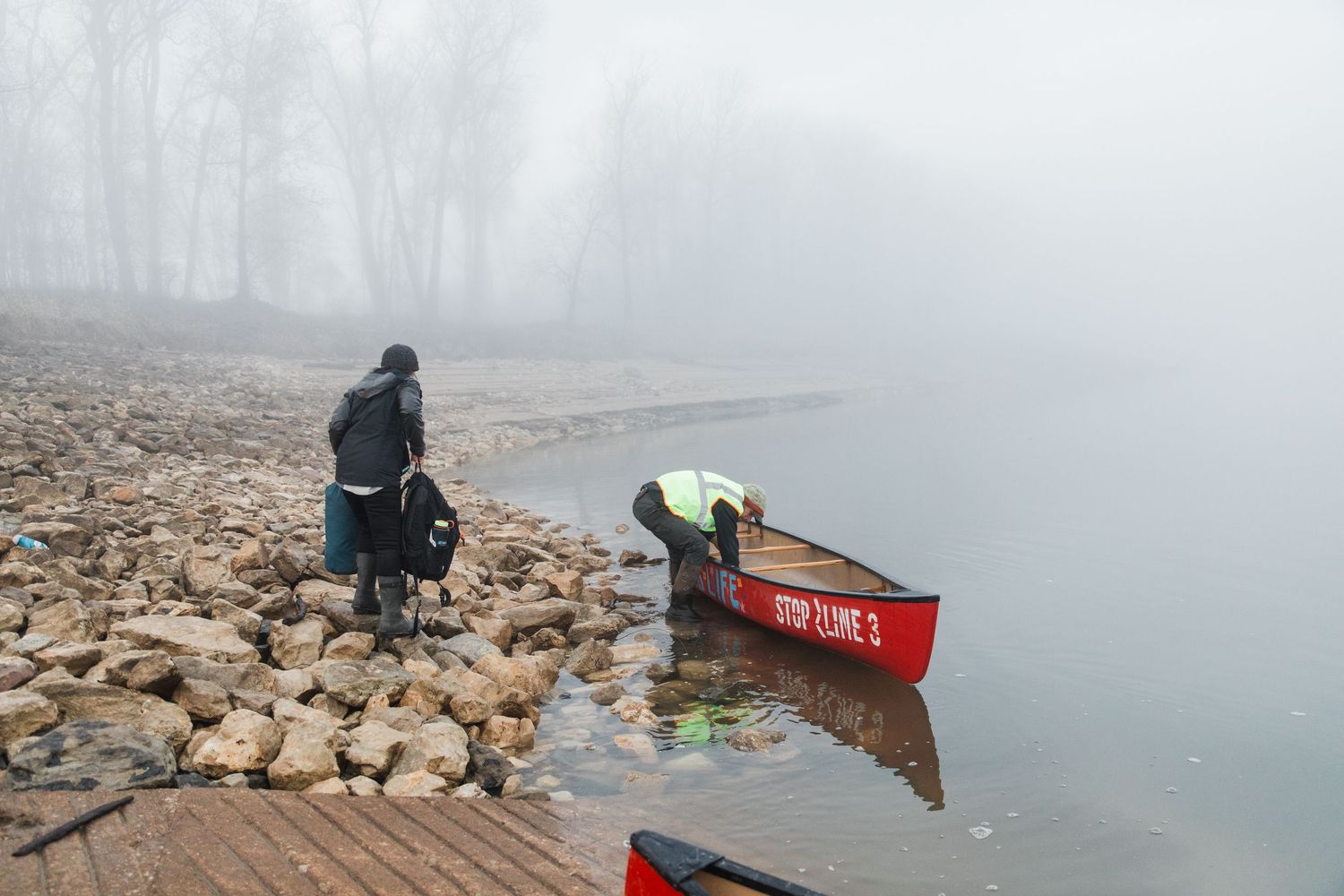
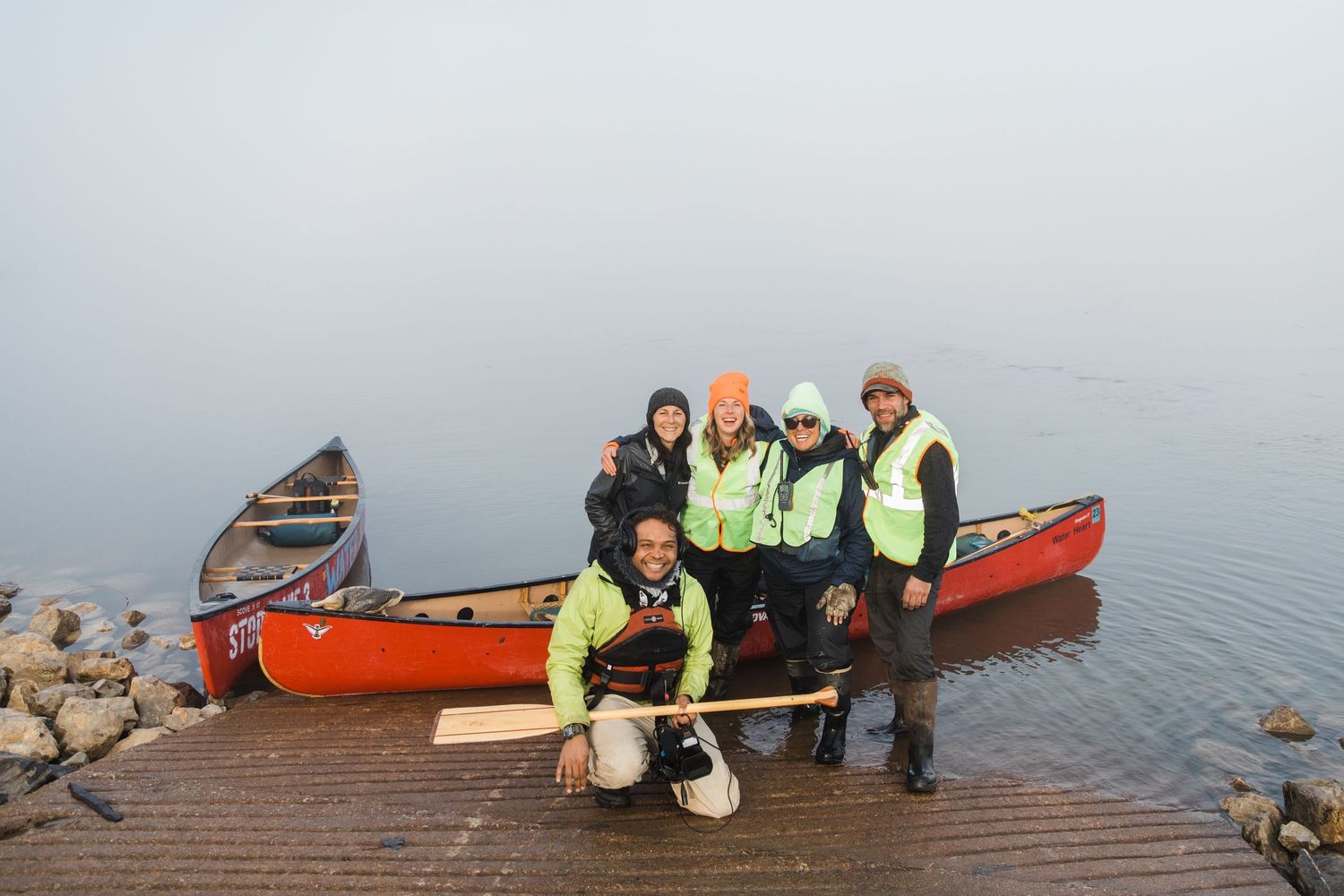
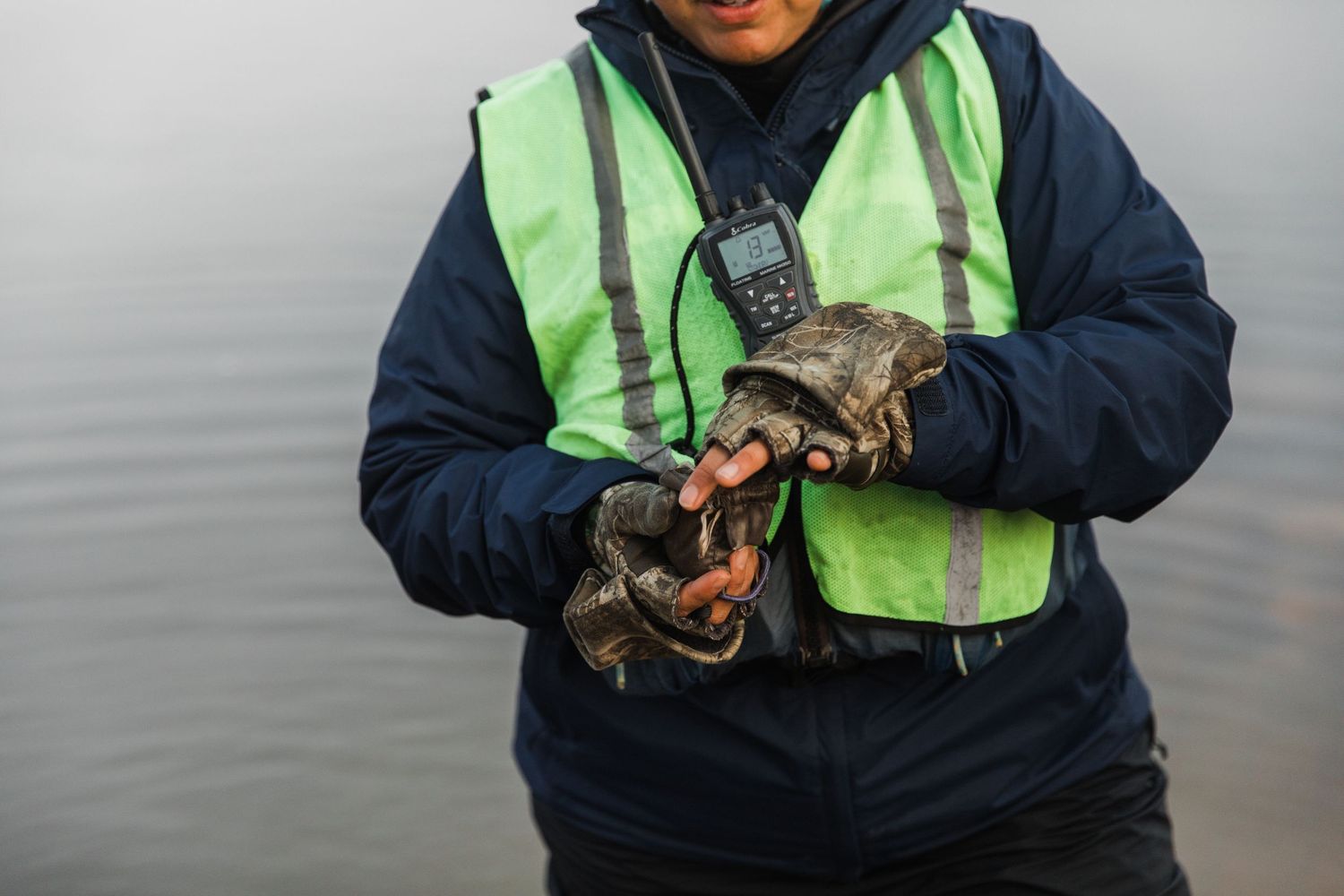
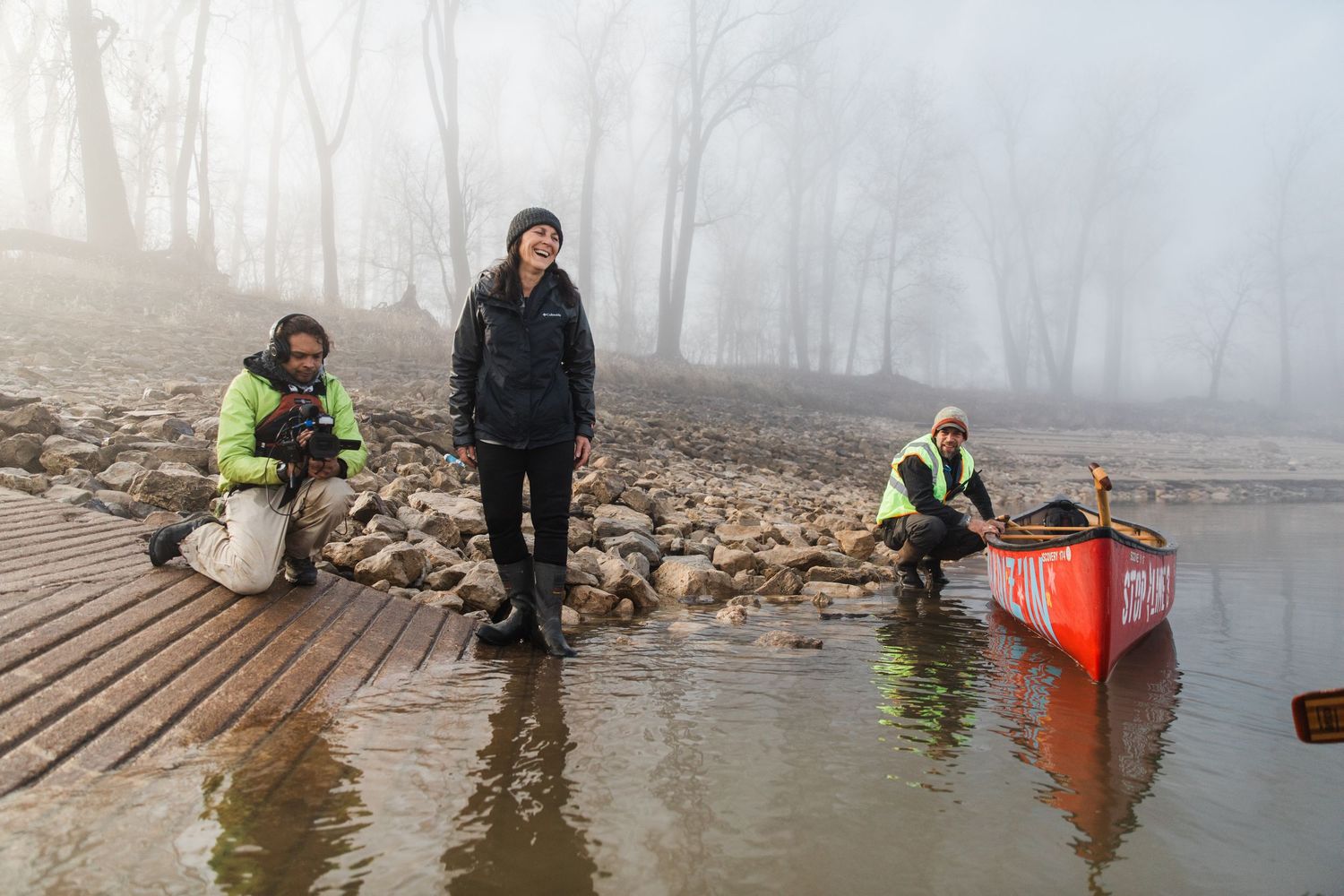
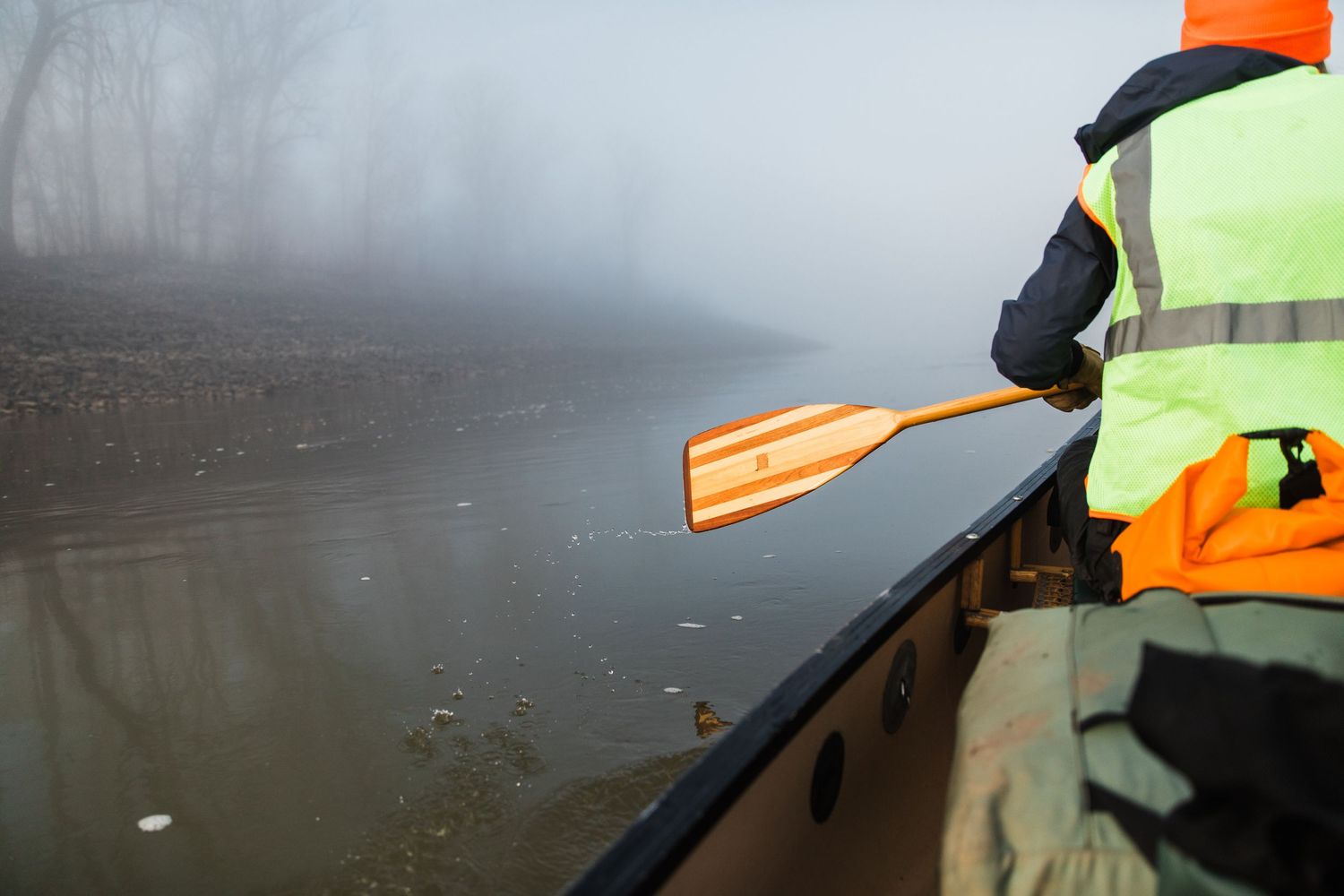
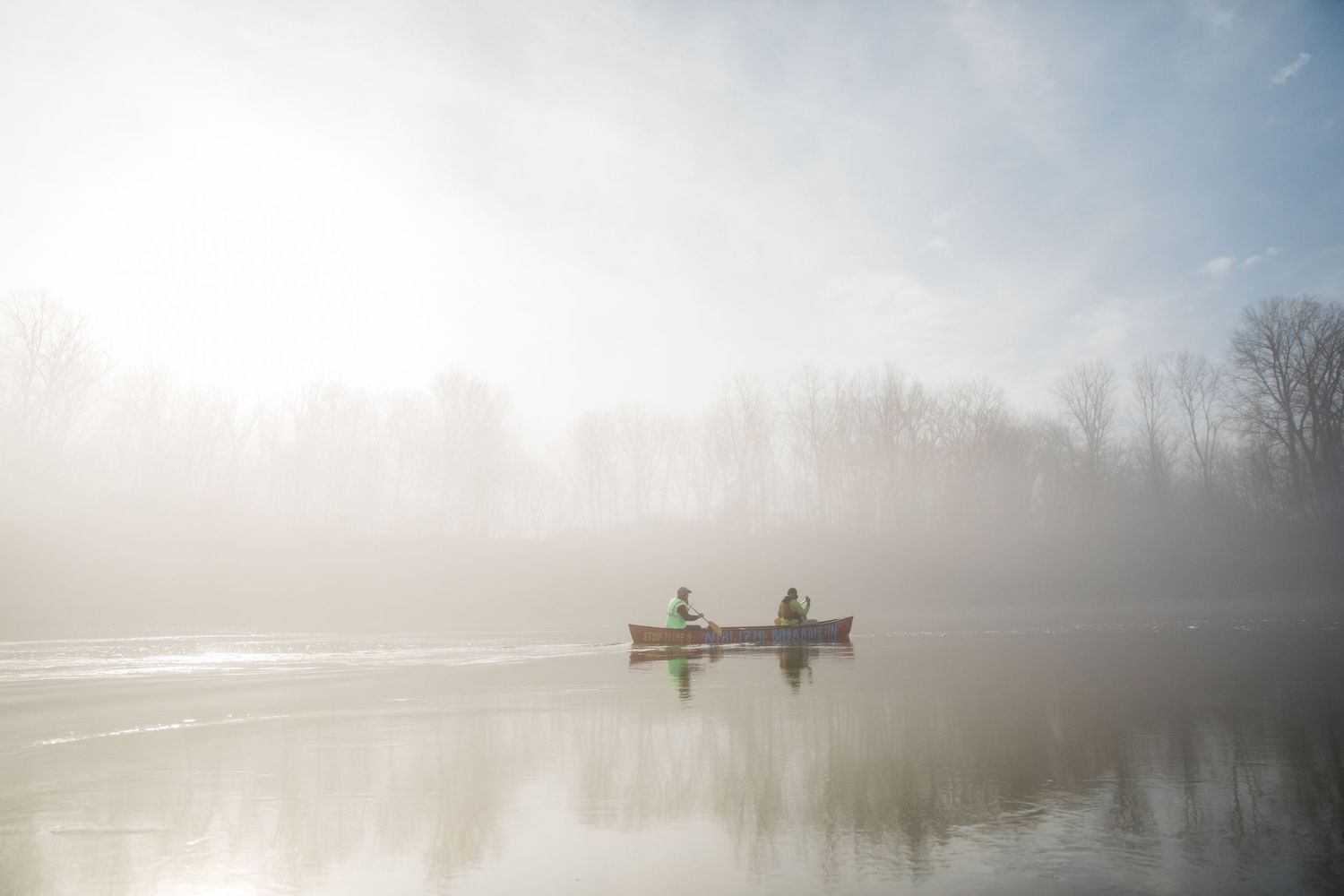
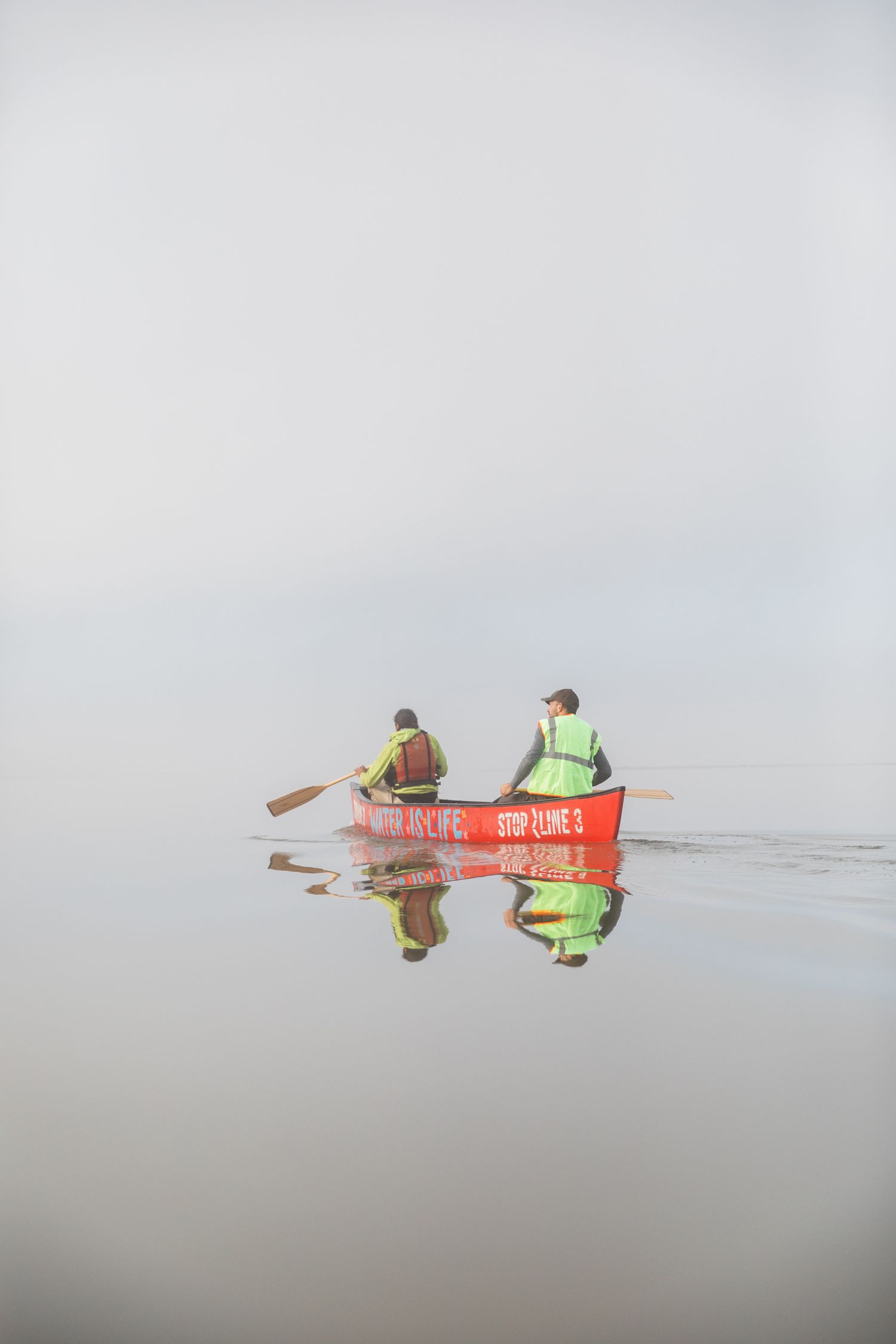
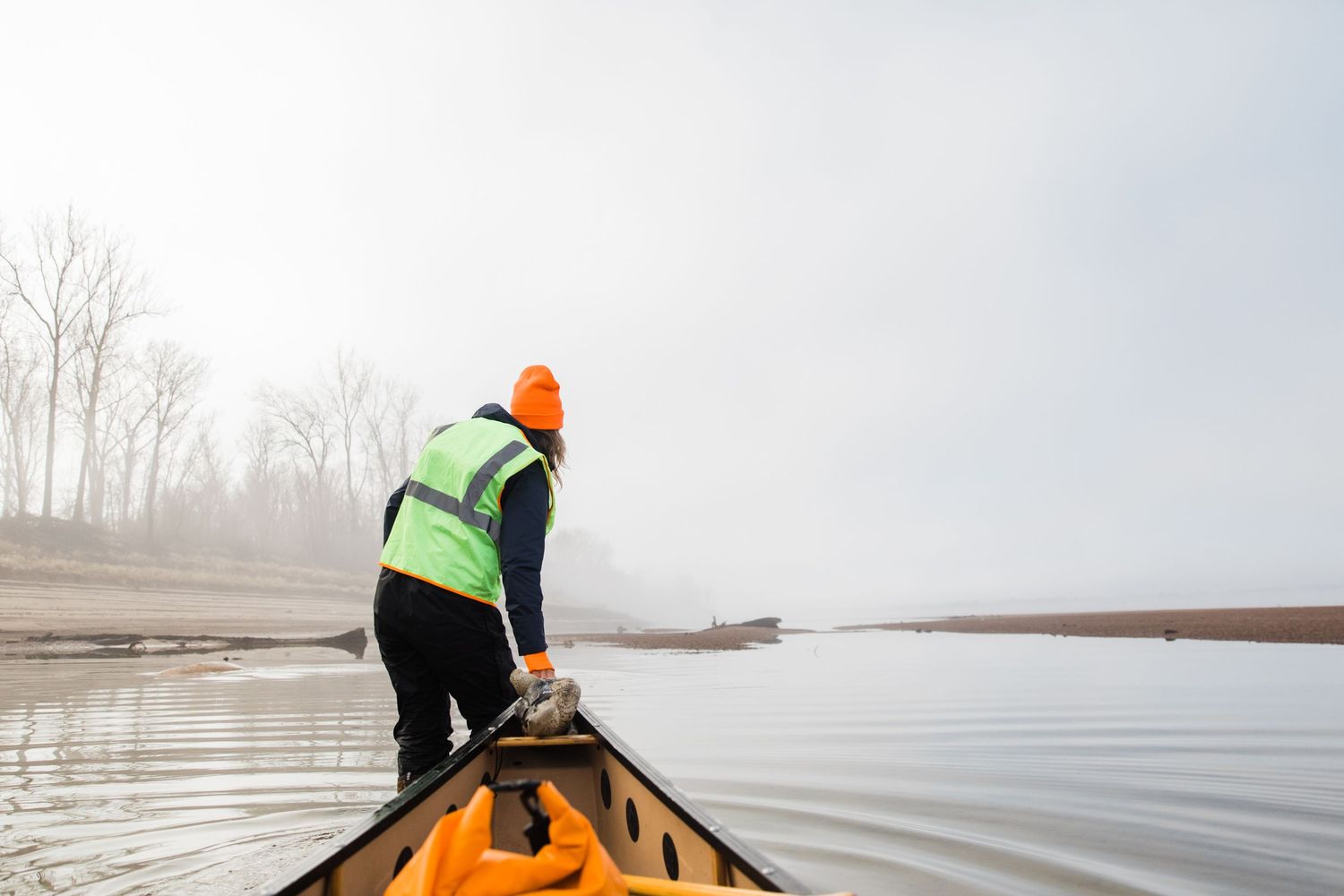
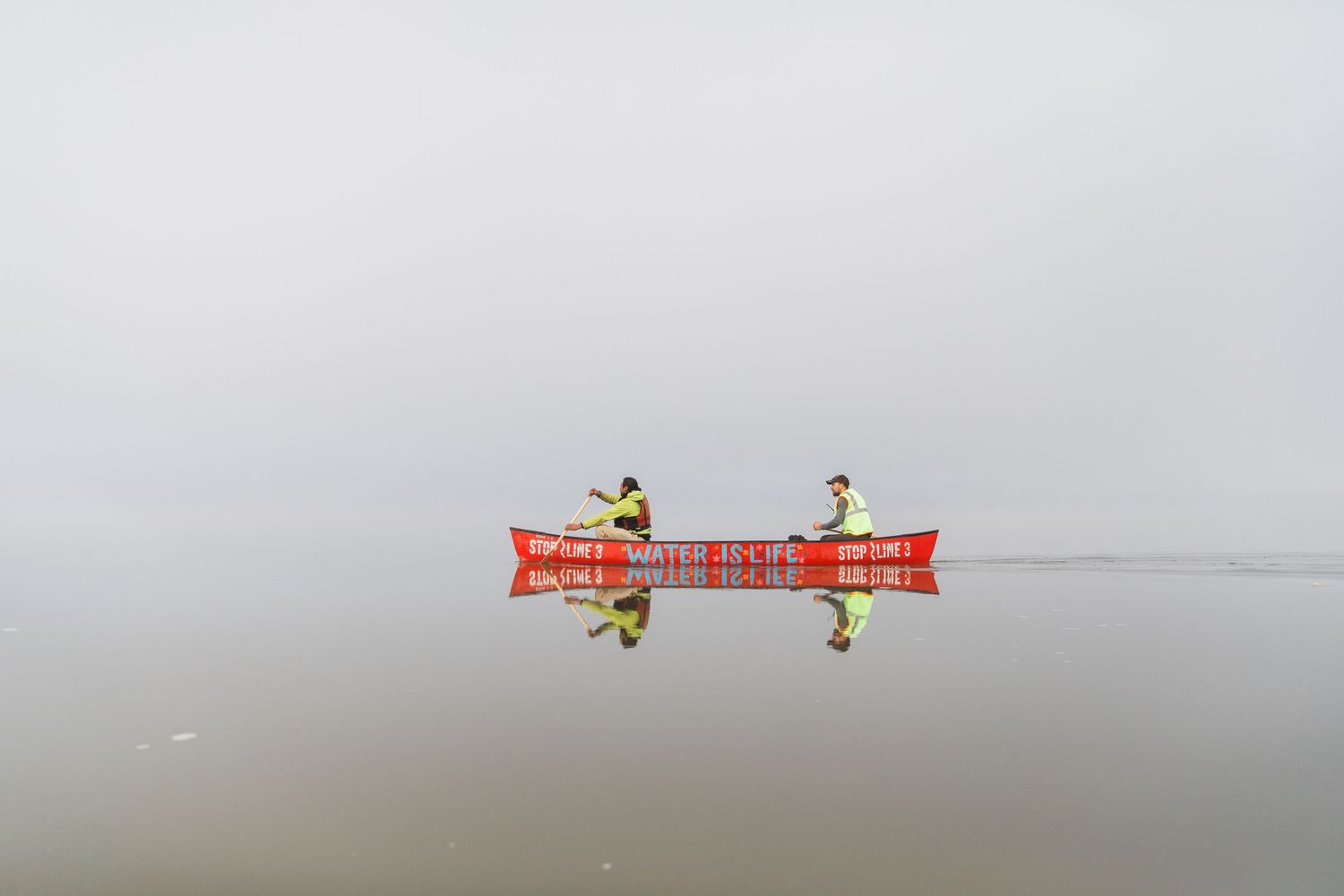
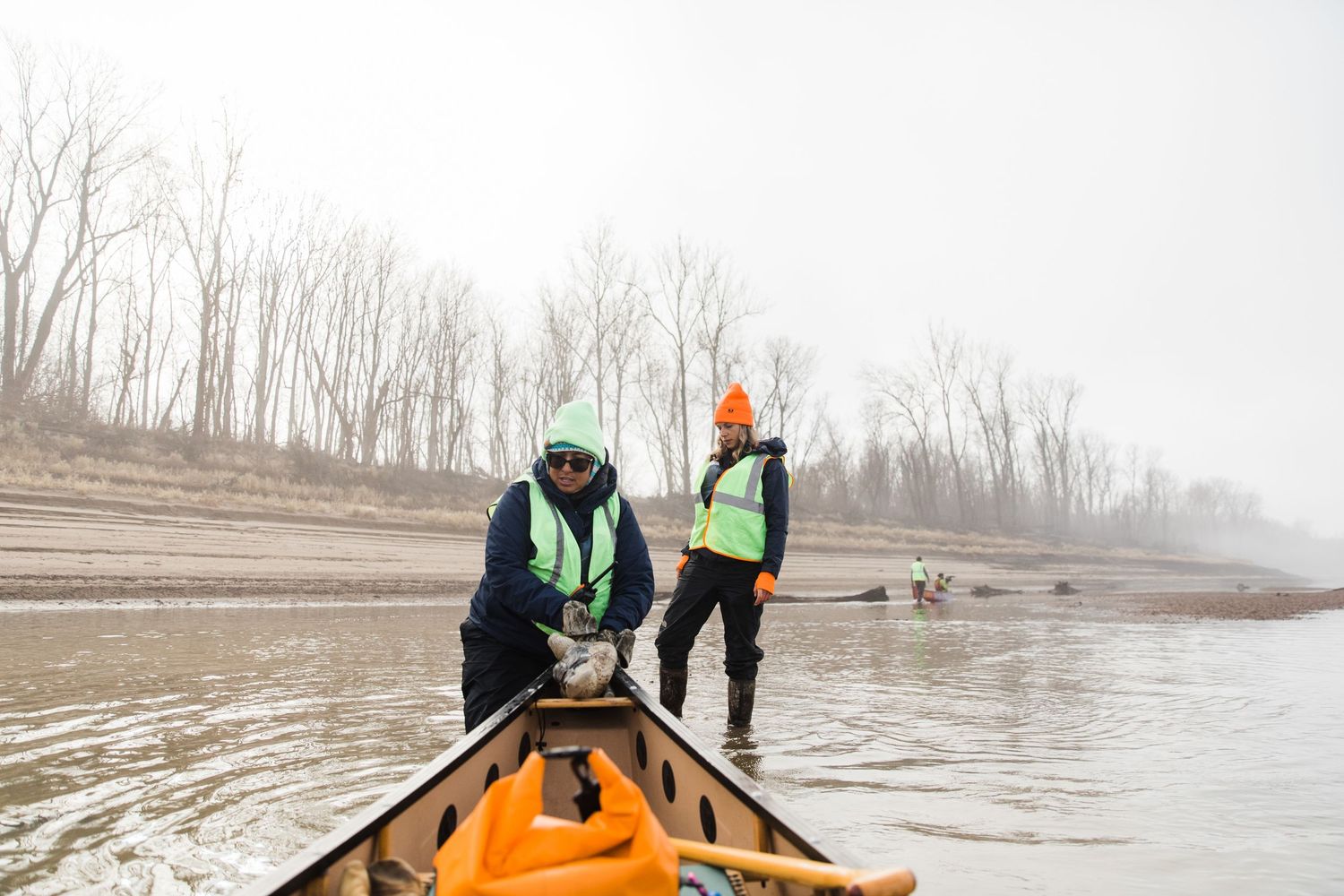
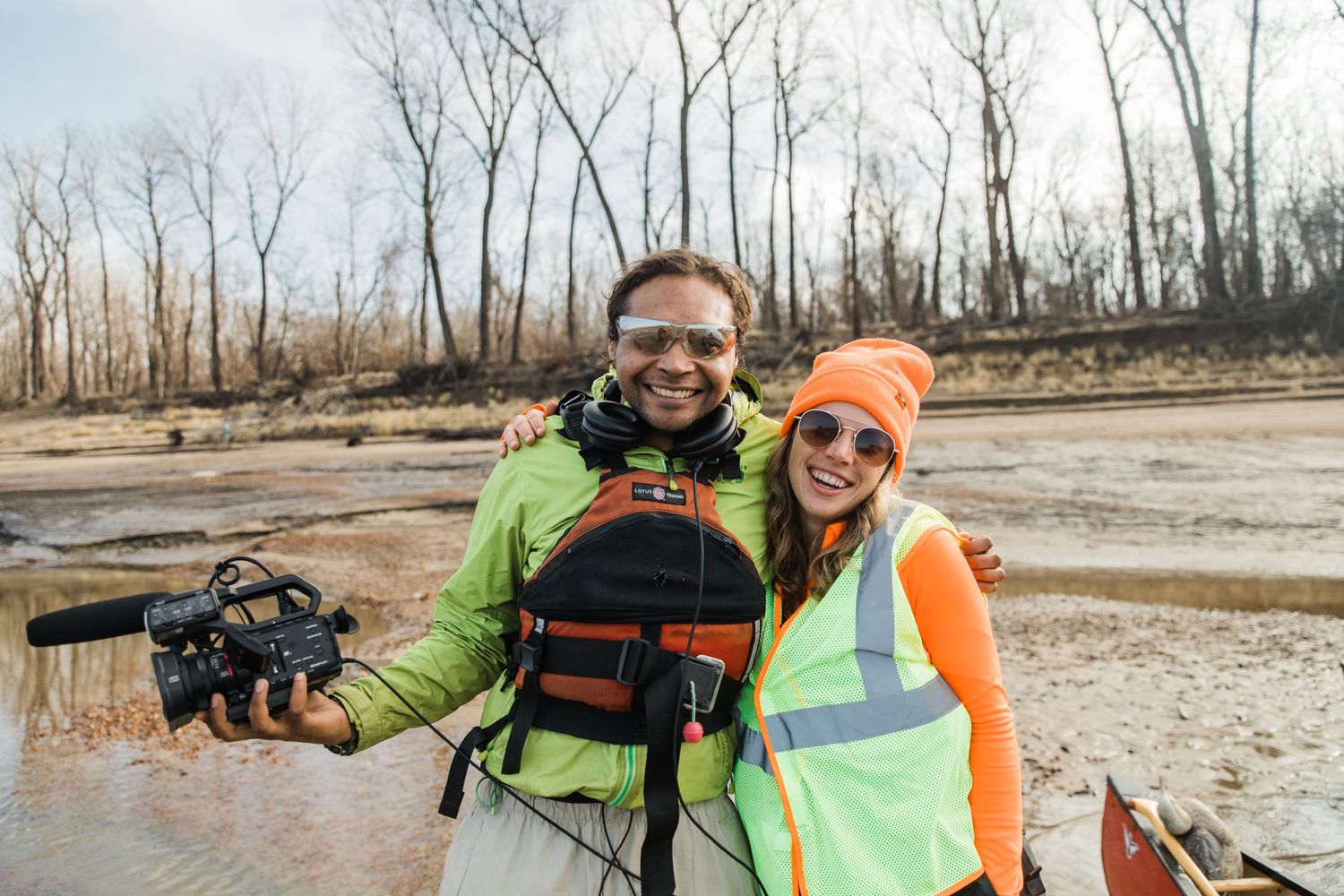
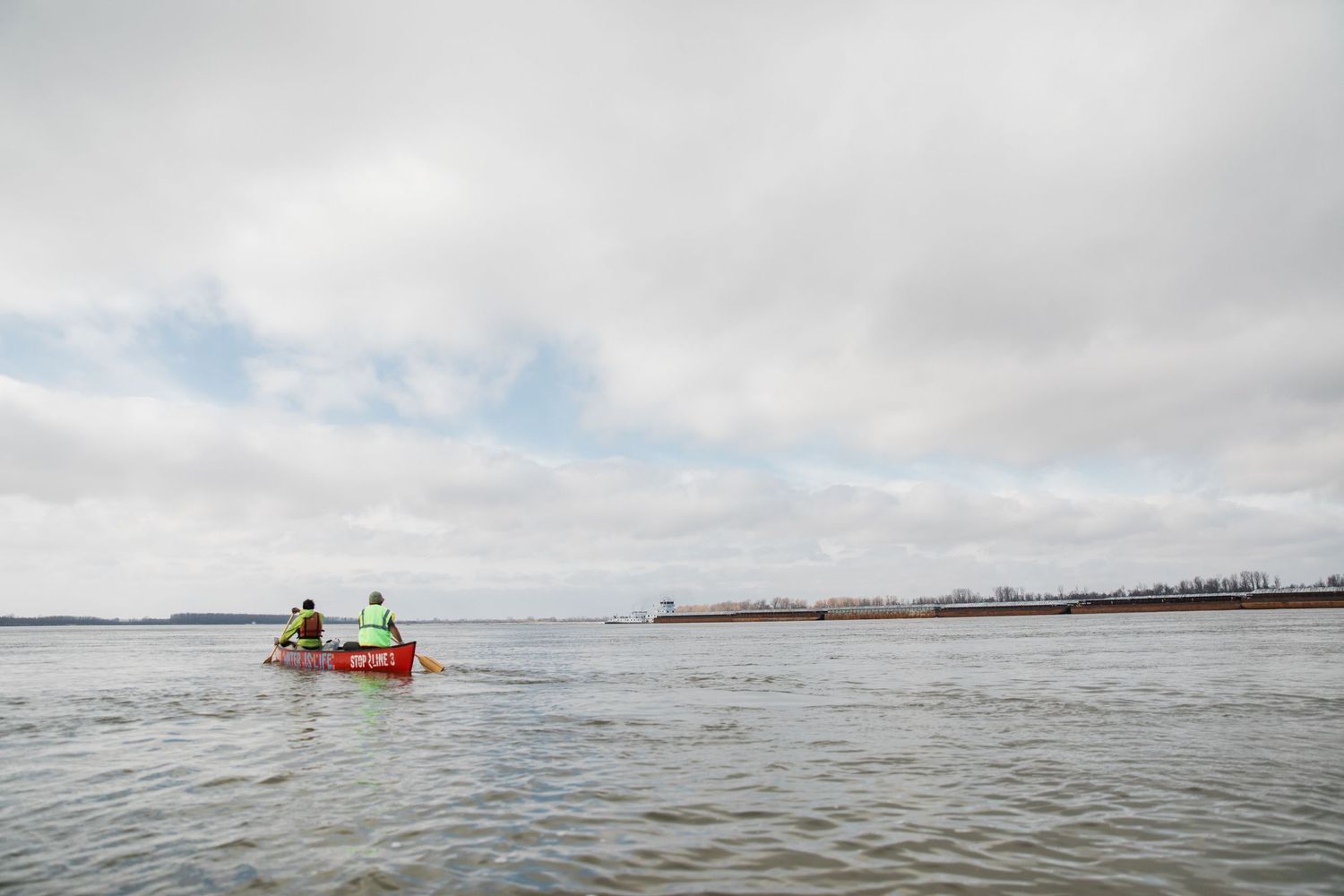
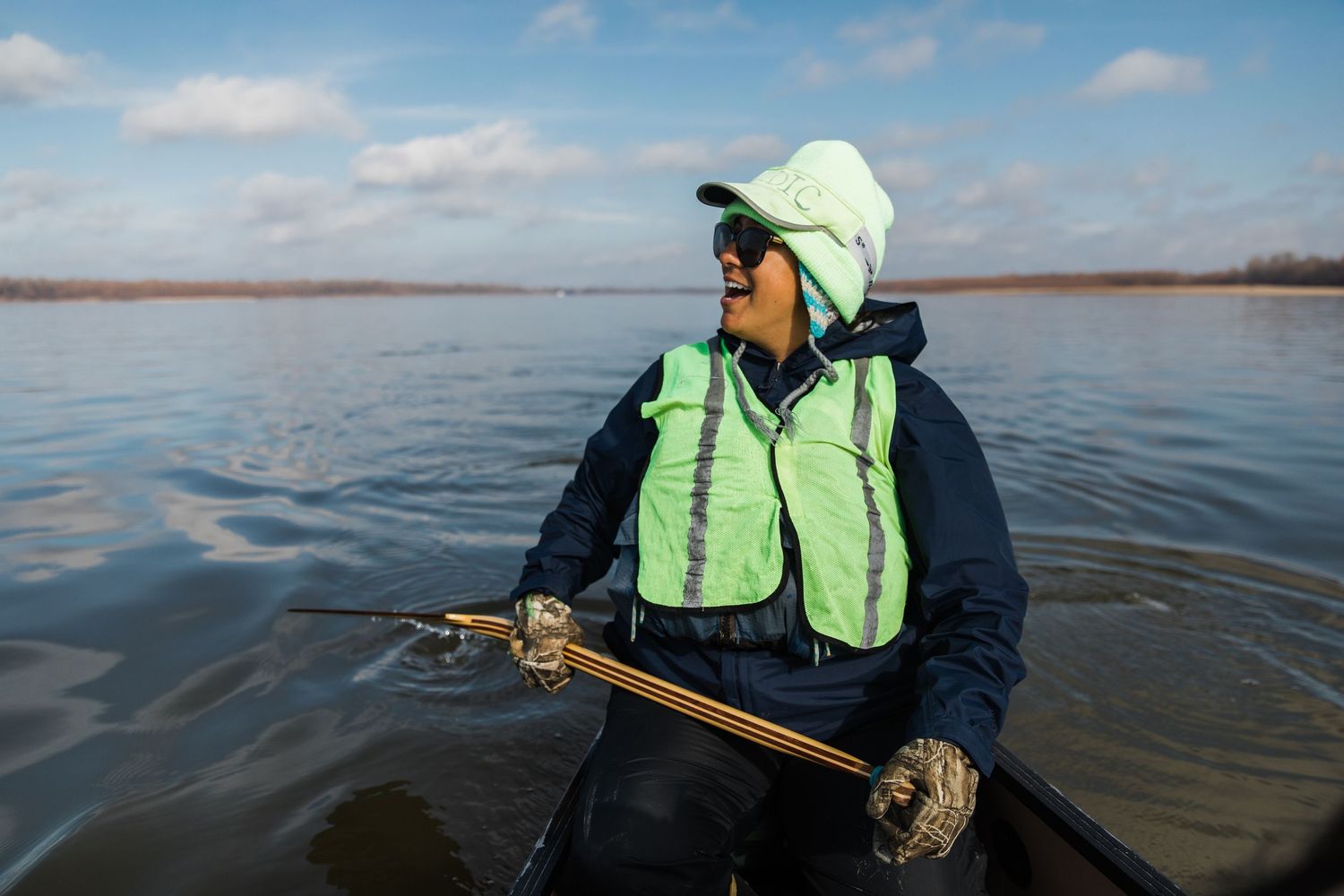
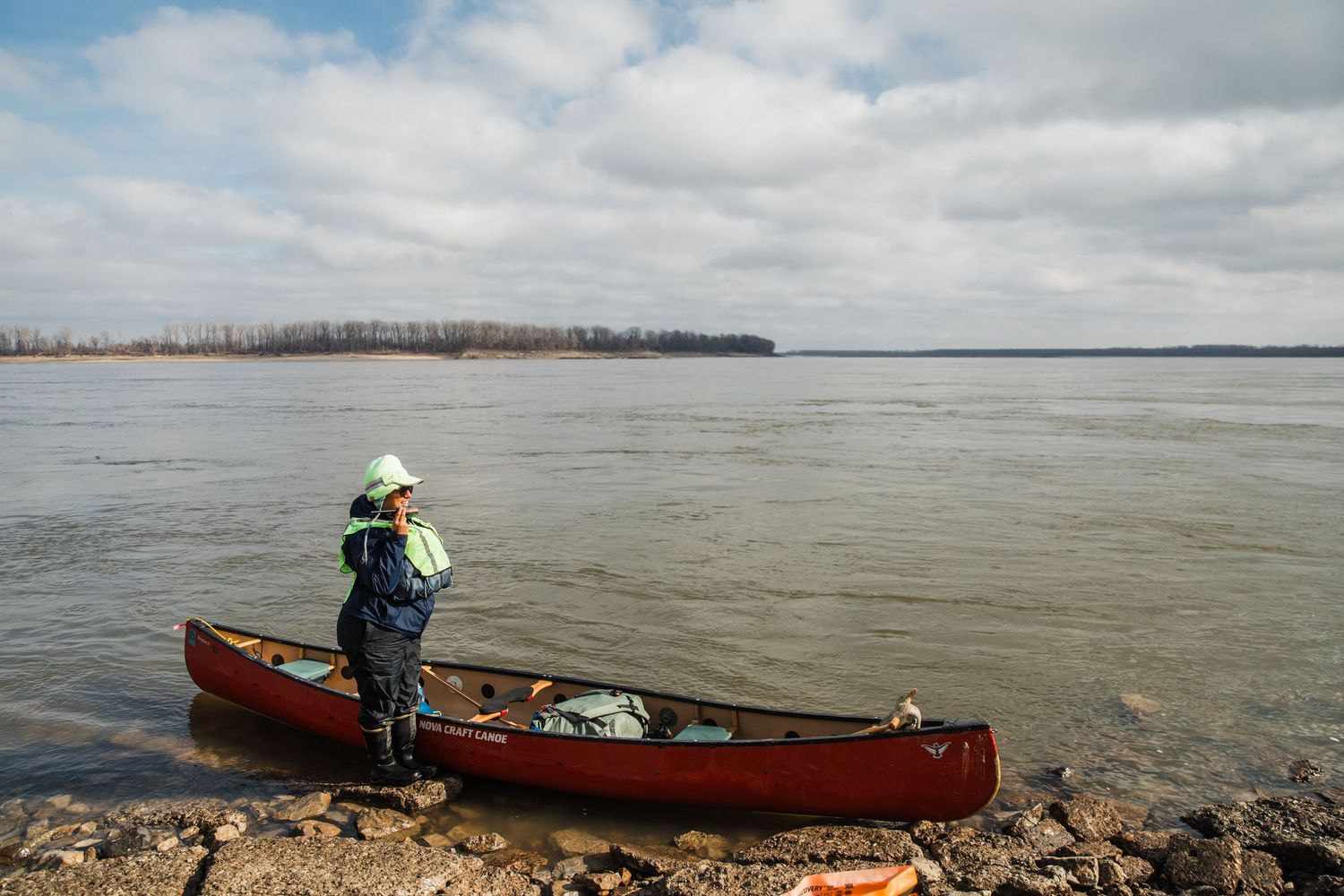
In January 2022, I joined my dear friend Cory Maria Dack on the Mississippi River between river miles 912 and 900 during her source-to-sea paddle from Minnesota to the Gulf of Mexico. Her journey sought to challenge conventional ideas of a "thru-paddle," centering Indigenous perspectives and messages of decolonization through the act of paddling itself.
Sharing a stretch of river with her was a reminder that waterways are not simply routes to be completed, but living places that hold history, relationship, and responsibility
A documentary following her expedition premiered at the Minneapolis St. Paul International Film Festival in 2026.